When it comes to designing an efficient and reliable cellulose pneumatic conveying system, a systematic approach is essential. The process involves understanding the material characteristics, flow requirements, and operational constraints to ensure optimal performance and longevity of the system. This article will outline key considerations and steps for developing a well-structured plan tailored to the specific needs of a cellulose handling operation.
Understanding the Core Requirements for Cellulose Pneumatic Conveying
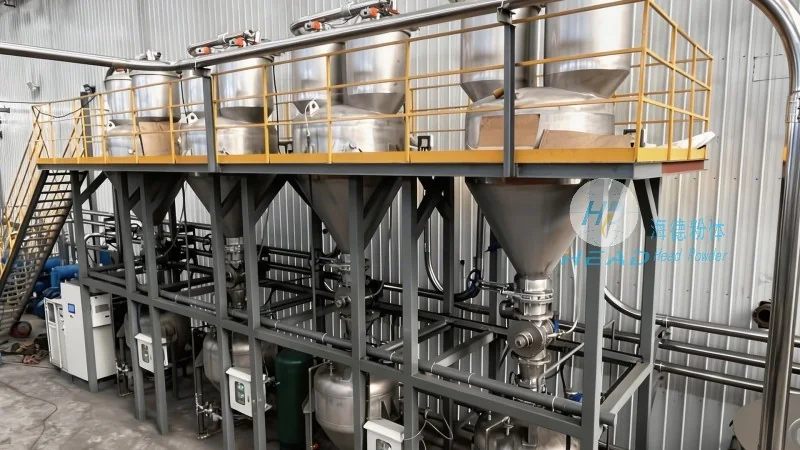
Before diving into system design, it's crucial to assess the unique properties of cellulose materials. Cellulose, commonly found in wood pulp, paper, and other biomass products, presents specific challenges such as variable moisture content, particle size distribution, and potential for dust generation. These factors directly impact the selection of equipment, air flow rates, and system configuration. For instance, materials with higher moisture content may require additional drying considerations or specialized air filtration to prevent clogging and maintain system efficiency.
Key Components and Equipment Selection for Cellulose Pneumatic Conveying Systems
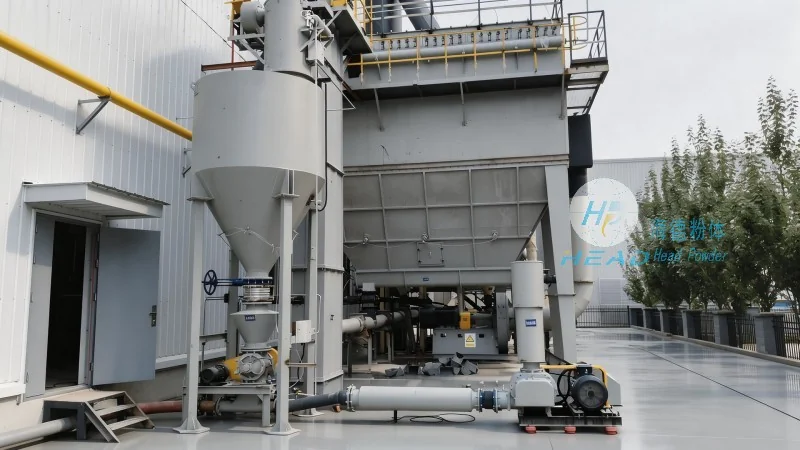
The successful implementation of a cellulose pneumatic conveying system relies on the proper integration of several critical components. The primary equipment typically includes a material feed hopper, a rotary airlock valve for controlled material discharge, a positive displacement blower or rotary lobe pump to generate the necessary air pressure, and a conveying pipeline system. For headpowder, a leading provider in this field, the selection of these components is based on extensive engineering expertise and real-world application experience. The company's engineers consider factors such as the desired conveying distance, material flow rate, and system pressure to recommend the most suitable equipment configuration. For example, in systems requiring long-distance transport, a high-pressure blower might be preferred over a low-pressure pump to maintain material velocity and prevent settling in the pipeline.
System Design Considerations for Optimal Performance
Several design parameters must be carefully evaluated to ensure the cellulose pneumatic conveying system operates efficiently and safely. The air flow rate is a critical factor, as it directly affects the material velocity and system pressure. Engineers must calculate the appropriate air volume based on the material's bulk density, particle size, and the desired conveying velocity. Additionally, the pipeline diameter and length play significant roles in determining the system's overall pressure drop and energy consumption. Properly sized pipelines minimize friction losses and ensure consistent material transport. The inclusion of features like pulse jets or rotary valves at intervals can help maintain material flow and prevent blockages, especially when handling fibrous or cohesive materials like cellulose.
Integration of HeadPowder's Engineering Expertise in System Planning
Shandong HeadPowder Engineering Co., Ltd., commonly known as headpowder, brings decades of experience to the design and implementation of cellulose pneumatic conveying systems. The company's team of professional engineers utilizes advanced computational fluid dynamics (CFD) and material flow analysis tools to simulate system performance before actual construction. This approach allows for optimization of system parameters and identification of potential issues early in the design phase. headpowder's comprehensive service includes not only equipment supply but also system integration, commissioning, and ongoing maintenance support. The company's commitment to quality and customer satisfaction is reflected in its adherence to international standards and rigorous testing protocols for all system components.
Addressing Common Challenges in Cellulose Pneumatic Conveying
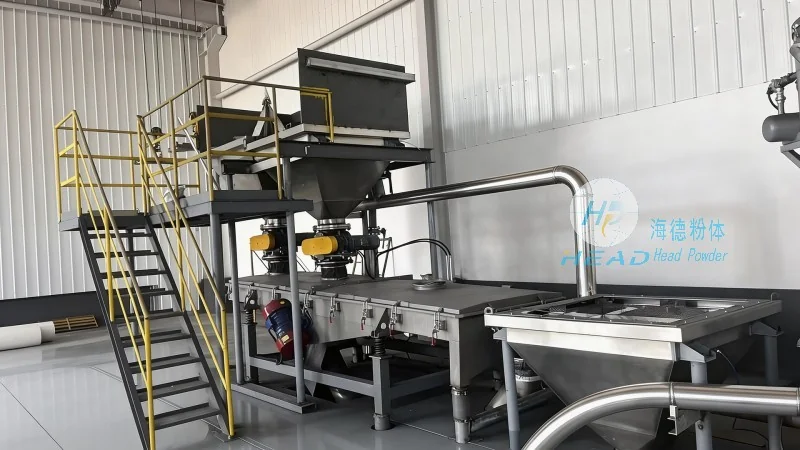
Despite the advancements in technology, cellulose pneumatic conveying systems may encounter challenges such as material buildup, system clogging, and air leakage. These issues can significantly impact system efficiency and increase operational costs. headpowder addresses these challenges through innovative solutions like self-cleaning filters, adjustable air pressure controls, and advanced material handling accessories. For instance, in systems processing high-fiber cellulose, the use of specialized rotary airlocks with larger discharge openings can reduce the risk of blockages. Regular maintenance schedules, including filter cleaning and pipeline inspections, are also recommended to prolong system life and maintain optimal performance.
Conclusion: Building a Reliable Cellulose Pneumatic Conveying System
Designing a reasonable cellulose pneumatic conveying system requires a combination of technical knowledge, material understanding, and practical experience. By following a systematic approach that considers material properties, equipment selection, and operational requirements, engineers can develop a system that meets the specific needs of a cellulose handling operation. With the expertise of companies like Shandong HeadPowder Engineering Co., Ltd., businesses can ensure the successful implementation and long-term operation of their pneumatic conveying systems, achieving efficient material transport while minimizing downtime and maintenance costs.




