When designing a pneumatic conveying system for urea granules, several key factors must be considered to ensure efficiency, reliability, and cost-effectiveness. The system's design directly impacts the overall performance and longevity of the operation. This article outlines the essential steps and considerations for developing a well-structured plan for such a system.
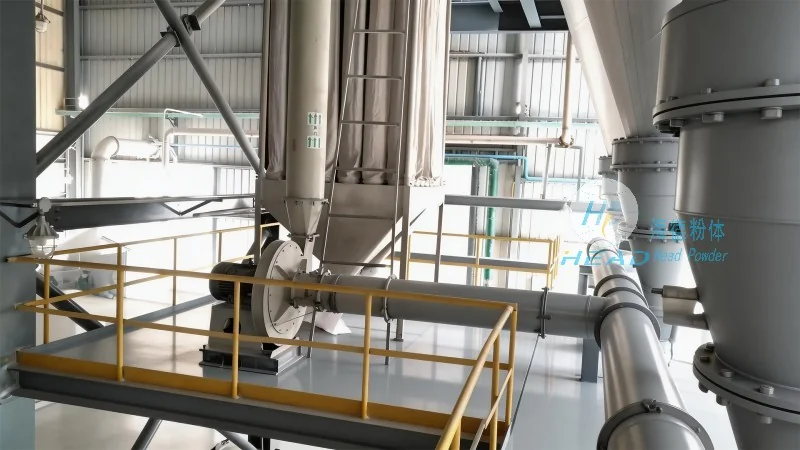
About Shandong HeadPowder Engineering Co., Ltd.
Shandong HeadPowder Engineering Co., Ltd., commonly known as headpowder, is a professional engineering company specializing in the design and implementation of material handling systems. With a focus on providing tailored solutions for bulk material transport, the company has extensive experience in the field of pneumatic conveying technology. Headpowder's expertise lies in understanding the unique properties of materials like urea granules and translating that knowledge into effective system designs.
Key Design Considerations for Urea Granule Pneumatic Conveying
The design of a urea granule pneumatic conveying system involves a comprehensive analysis of several critical parameters. First, the material's physical properties, such as particle size, density, and flowability, are crucial. Urea granules typically have a specific size range and density that affect the air velocity and pressure required for effective transport. The system must be designed to handle these characteristics without causing blockages or excessive wear on components.
Second, the system layout and configuration play a significant role. The distance between the source and destination points, the number of bends and turns, and the overall path of the conveying line all impact the system's performance. Proper sizing of the air ducts, selection of the appropriate air compressor, and the use of suitable valves and controls are essential to maintain consistent flow and pressure. Additionally, the choice of materials for the ductwork and components is vital to prevent corrosion or degradation from the urea granules, which can be slightly hygroscopic and may cause wear over time.
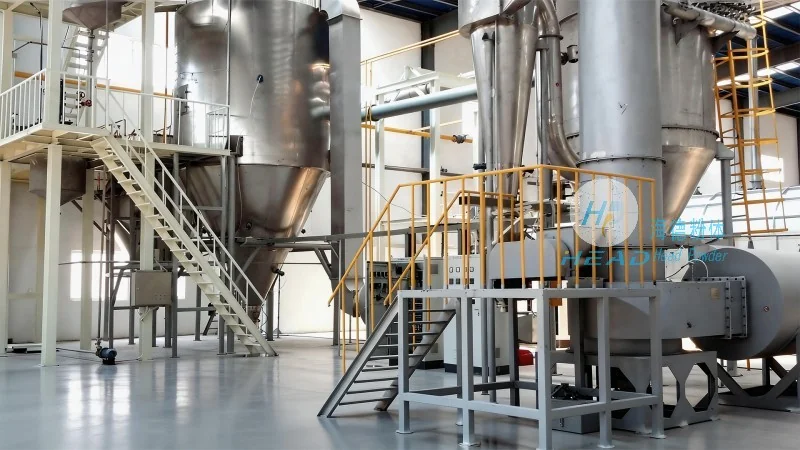
Core Components of a Urea Granule Pneumatic Conveying System
A typical urea granule pneumatic conveying system consists of several key components. The primary components include the material hopper or feeder, the air compressor, the conveying ducts, the control valves, and the discharge equipment. The material hopper is designed to store and feed the urea granules into the system at a controlled rate. This ensures a steady flow of material into the conveying line, preventing surges or interruptions that could affect the system's performance.
The air compressor provides the necessary pressure and volume of air to move the urea granules through the ducts. The selection of the compressor depends on the system's capacity, the required air velocity, and the length of the conveying line. High-pressure compressors are often used for longer distances or when dealing with larger particle sizes, while lower-pressure systems may suffice for shorter distances or smaller particle sizes.
The conveying ducts are made of materials that can withstand the abrasive nature of urea granules and any potential moisture. Common materials include stainless steel, aluminum, or specialized plastic composites. The ducts are designed with smooth interiors to minimize friction and resistance, ensuring efficient air flow and material transport. Proper insulation may also be required to maintain the temperature of the urea granules, especially if the system is used in environments with temperature fluctuations.
The control valves, such as rotary valves or slide gates, regulate the flow of material and air into the system. These components help maintain consistent pressure and flow rates, preventing overloading or underloading of the system. The discharge equipment, such as a receiving hopper or a silo, collects the urea granules at the destination point. This equipment is designed to handle the material's flow characteristics and prevent spillage or blockages.
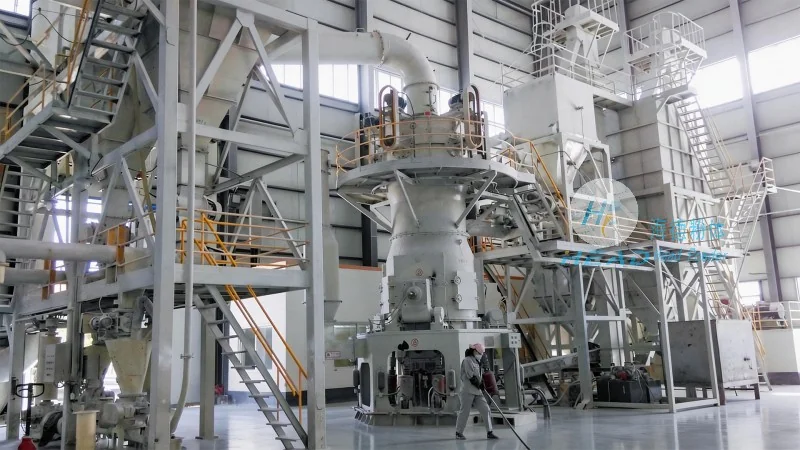
Optimization and Implementation of the System
After the initial design, it is essential to optimize the system for maximum efficiency and reliability. This involves testing the system under various conditions to identify any potential issues or bottlenecks. The system may need adjustments to the air pressure, flow rate, or material feed rate to achieve the desired performance. Regular maintenance is also crucial to ensure the system operates at peak efficiency. This includes cleaning the ducts, replacing worn components, and checking the compressor and control systems for any signs of wear or malfunction.
Headpowder, as a professional engineering company, offers comprehensive services for the design, installation, and maintenance of urea granule pneumatic conveying systems. The company's team of experts works closely with clients to understand their specific needs and develop customized solutions that meet their operational requirements. With a focus on quality and reliability, headpowder ensures that the systems it designs and implements are durable, efficient, and cost-effective.
Conclusion and Company Information
Designing a reasonable urea granule pneumatic conveying system requires a thorough understanding of the material's properties, the system's layout, and the components involved. By considering these factors and working with experienced professionals like Shandong HeadPowder Engineering Co., Ltd., companies can ensure that their material handling systems are efficient, reliable, and tailored to their specific needs. Headpowder's expertise in pneumatic conveying technology and its commitment to quality make it a trusted partner for businesses seeking to optimize their urea granule transport operations.




