For industrial applications involving calcined lime, selecting and designing an efficient pneumatic conveying system is crucial for ensuring material transport reliability, minimizing operational costs, and maintaining system longevity. This article provides a comprehensive guide to designing a reasonable calcined lime pneumatic conveying system, covering key considerations from material properties to system configuration.
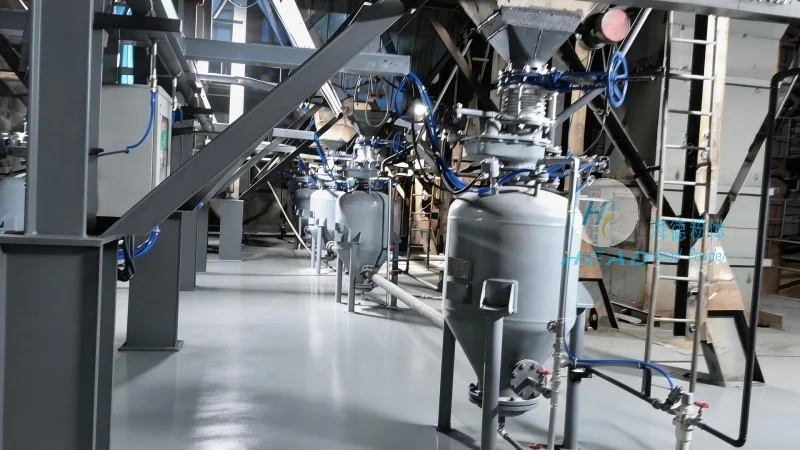
Understanding Calcined Lime Properties and System Requirements
Calcined lime, also known as quicklime or calcium oxide, is a fine powder with specific physical and chemical characteristics that impact system design. Key properties include particle size distribution, moisture content, bulk density, and reactivity. These factors influence the choice of conveying air velocity, pipeline diameter, and equipment selection. For instance, finer particles may require higher air velocities to prevent clogging, while higher moisture content could necessitate drying or moisture control measures to avoid blockages. The system designer must conduct thorough material testing to gather accurate data on these properties, ensuring the design aligns with actual operational conditions.
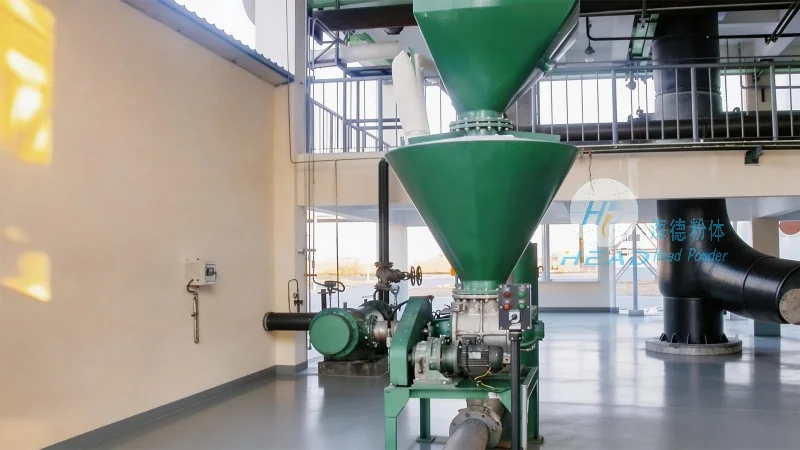
Key Design Considerations for Pneumatic Conveying Systems
When designing a calcined lime pneumatic conveying system, several critical factors must be addressed to achieve optimal performance. These include system type (e.g., pressure or vacuum), material flow rate, pipeline layout, and equipment selection. Pressure systems, which use positive pressure to push material through pipelines, are often preferred for calcined lime due to their ability to handle abrasive materials and prevent dust emissions. The selection of pipeline diameter is critical; larger diameters reduce pressure drop but increase system cost, while smaller diameters may lead to higher energy consumption and potential blockages. The system designer must balance these factors based on the required flow rate and material characteristics. Additionally, the choice of air compressor and filter system is essential for maintaining air quality and preventing contamination of the calcined lime. Regular maintenance of these components is vital to ensure system efficiency and longevity.
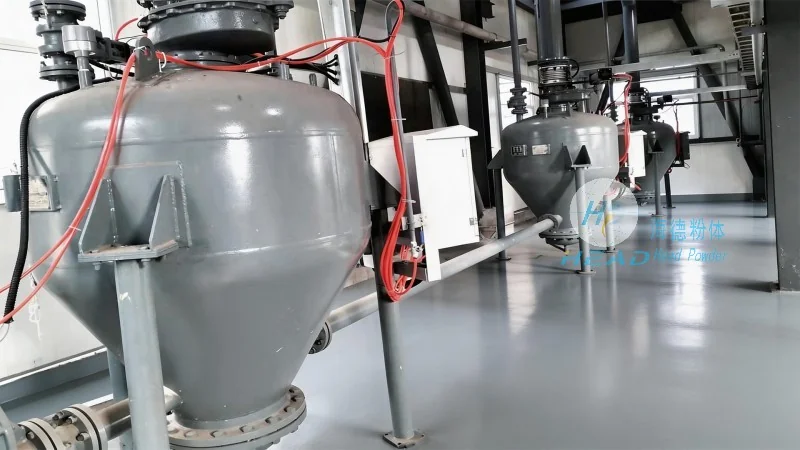
Equipment Selection and Installation Guidelines
Proper equipment selection and installation are paramount to the success of a calcined lime pneumatic conveying system. Key equipment includes feeders, air compressors, pipelines, and discharge units. Feeders, such as rotary valves or screw feeders, must be designed to handle the specific flow characteristics of calcined lime, ensuring consistent material feed without clogging. Air compressors should be sized to provide sufficient air pressure and volume to meet the system's demands, with considerations for energy efficiency and noise reduction. Pipeline design involves selecting appropriate materials (e.g., stainless steel or PVC) to resist corrosion and abrasion from the lime particles. The layout of the pipeline should minimize bends and changes in direction to reduce pressure losses and prevent material accumulation. Proper sealing and maintenance of all connections are critical to prevent air leaks and ensure system integrity.
Addressing Common Challenges and Mitigation Strategies
During the operation of calcined lime pneumatic conveying systems, several challenges may arise, including clogging, dust emissions, and system inefficiencies. Clogging can occur due to moisture buildup, particle agglomeration, or incorrect air velocity. Mitigation strategies include installing moisture control devices, using anti-caking agents, and maintaining optimal air velocity. Dust emissions can be minimized through proper sealing of equipment and the use of dust collection systems. Regular system inspections and maintenance are essential to identify and address issues before they escalate. Additionally, monitoring system performance parameters, such as pressure drop and flow rate, can help detect potential problems early and ensure the system operates within optimal parameters.
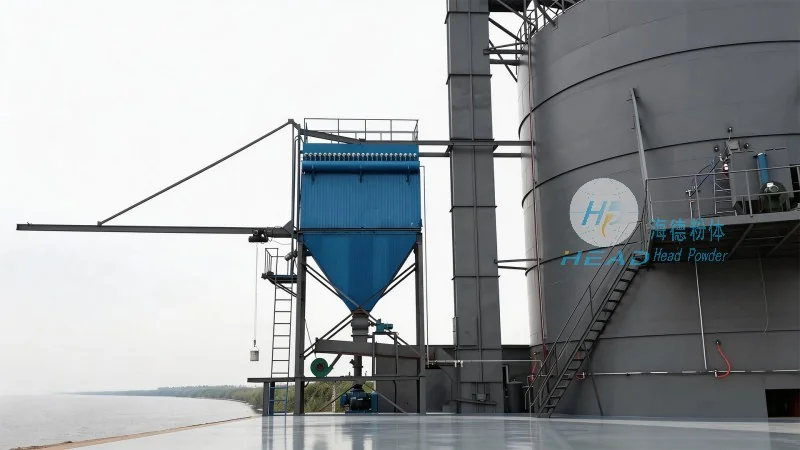
Conclusion and Recommendations
Designing a reasonable calcined lime pneumatic conveying system requires a systematic approach that considers material properties, system requirements, and operational constraints. By carefully evaluating these factors and selecting appropriate equipment and configurations, industrial facilities can achieve efficient and reliable material transport. It is recommended to engage experienced engineering firms, such as Shandong HeadPowder Engineering Co., Ltd., based in China, which specializes in pneumatic conveying systems for calcined lime and other industrial materials. Their expertise in system design, equipment selection, and installation can help ensure the successful implementation of a calcined lime pneumatic conveying system that meets operational needs and enhances overall productivity.




