Monocrystalline silicon powder conveyors are essential equipment in the semiconductor and solar energy industries, designed to handle the precise and delicate transport of silicon powder. These systems are engineered to maintain the purity and integrity of the powder, which is critical for applications such as solar cell manufacturing and high-purity silicon production. The following sections will explore the working principle and key features of such conveyors, providing insights into their functionality and advantages.
Working Principle of Monocrystalline Silicon Powder Conveyors
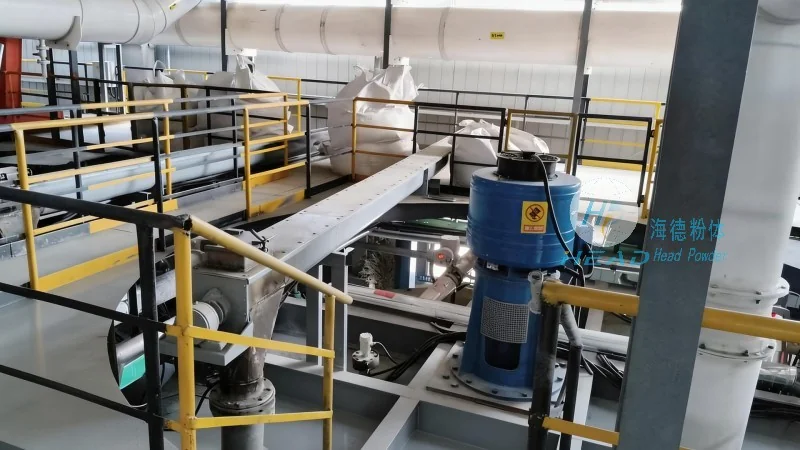
The operation of monocrystalline silicon powder conveyors typically involves a combination of mechanical components and control systems to ensure efficient and controlled movement of the powder. At the core of the system is a conveyor mechanism, which may include screw conveyors, pneumatic conveyors, or belt conveyors, depending on the specific requirements of the application. The screw conveyor, for instance, uses a rotating screw to push the powder forward, while pneumatic conveyors utilize air pressure to transport the material through a pipeline. In either case, the system is equipped with feeding and discharge mechanisms to regulate the flow of the powder, preventing clogging and ensuring consistent delivery.
Control systems play a vital role in the operation of these conveyors. Sensors and feedback mechanisms monitor the flow rate, pressure, and temperature of the powder, allowing for real-time adjustments to maintain optimal conditions. This automation ensures that the conveyor operates efficiently and safely, minimizing downtime and maximizing productivity. Additionally, the system may include dust collection and filtration components to maintain the purity of the silicon powder, as even trace contaminants can affect the quality of the final product.
Key Features of Monocrystalline Silicon Powder Conveyors
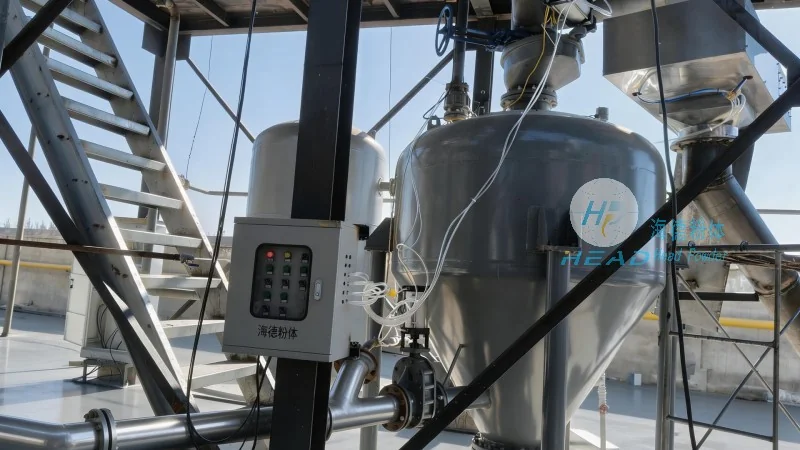
Monocrystalline silicon powder conveyors are characterized by several key features that make them suitable for high-purity applications. First, they are designed with materials that are resistant to corrosion and contamination, such as stainless steel or specialized alloys, to prevent the introduction of impurities into the silicon powder. This is particularly important in semiconductor manufacturing, where even minute impurities can compromise the performance of electronic components.
Second, the conveyors are equipped with precise control systems that allow for accurate dosing and flow regulation. This ensures that the correct amount of silicon powder is delivered to the next stage of the production process, such as melting or casting. The ability to control the flow rate and pressure is crucial for maintaining the consistency of the final product, as variations can lead to defects in the solar cells or other silicon-based products.
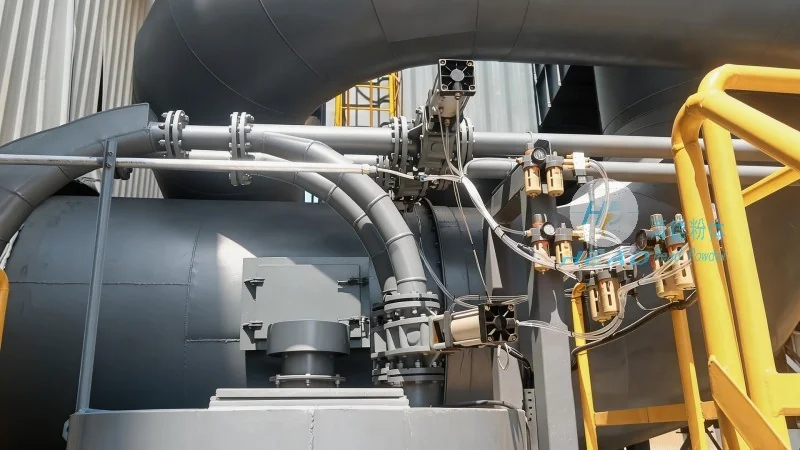
Third, these conveyors are designed for easy maintenance and cleaning. The components are constructed with smooth surfaces and minimal dead zones, which reduces the risk of powder accumulation and contamination. This design also facilitates regular cleaning and inspection, ensuring that the system remains in optimal condition. Additionally, the conveyors may include features such as automatic shut-off valves and emergency stop buttons to enhance safety and prevent accidents during operation.
Company Introduction: Shandong HeadPowder Engineering Co., Ltd.
Shandong HeadPowder Engineering Co., Ltd., commonly known as HeadPowder, is a leading manufacturer of specialized conveying equipment for the semiconductor and solar energy industries. With a focus on innovation and quality, the company has developed advanced monocrystalline silicon powder conveyors that meet the stringent requirements of modern manufacturing processes. HeadPowder's products are designed to enhance productivity, improve product quality, and ensure compliance with industry standards. The company's headquarters is located in Shandong, China, where it operates a state-of-the-art manufacturing facility and research and development center.




