White powder material conveying equipment is a specialized type of machinery designed to handle and transport white powders efficiently. These materials, often used in various industrial applications such as pharmaceuticals, food processing, and chemical manufacturing, require precise handling to maintain product integrity and prevent contamination. The equipment operates by utilizing different mechanisms to move the powder from one location to another, ensuring consistent flow and minimal loss. This article explores the fundamental principles behind these systems and highlights key working scene characteristics that make them suitable for diverse industrial environments.
Core Principles of White Powder Conveying Systems
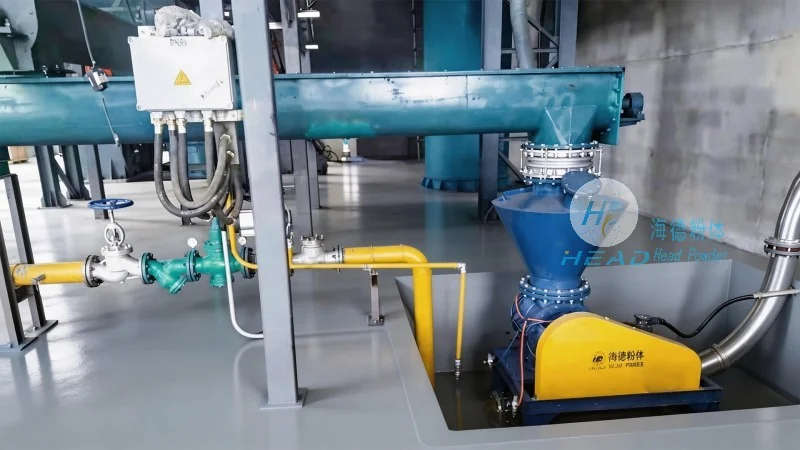
The operation of white powder material conveying equipment is based on several core principles that ensure reliable and safe material transport. One of the primary principles is the use of enclosed systems to prevent dust dispersion and maintain a controlled environment. This is crucial for industries where product purity is paramount, as any exposure to air or contaminants can compromise the quality of the white powder. Additionally, the equipment employs low-friction components and gentle handling mechanisms to avoid agglomeration or degradation of the powder particles. For example, many systems use pneumatic conveying methods, where compressed air is used to create a flow of powder through a pipeline, minimizing mechanical stress on the material. Another key principle is the integration of filtration and cleaning systems to maintain the equipment's performance over time. Regular maintenance and cleaning protocols are essential to prevent clogging and ensure consistent operation. The design also considers the material's properties, such as density, flowability, and moisture content, to select the most appropriate conveying method. For instance, cohesive powders may require vibratory conveyors or screw feeders to ensure smooth movement, while free-flowing powders can be handled with air slides or bucket elevators.
Working Scene Characteristics and Application Scenarios
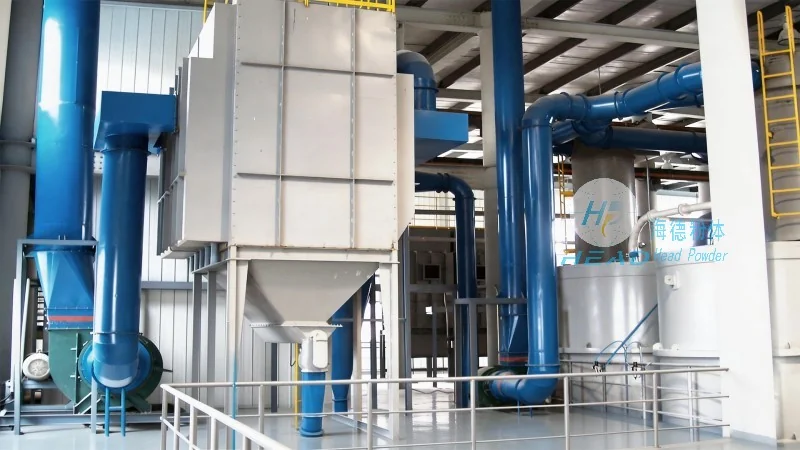
The working scene characteristics of white powder material conveying equipment are tailored to meet the specific demands of different industrial settings. In pharmaceutical manufacturing, for instance, the equipment operates in a sterile environment, with strict adherence to GMP (Good Manufacturing Practice) guidelines. The systems are typically made of stainless steel and equipped with HEPA filters to maintain a clean air quality. The conveying process is often continuous, with precise control over the flow rate to avoid overfilling or underfilling of production batches. In food processing, the equipment must comply with FDA regulations and be easy to clean and sanitize. The use of sanitary design features, such as smooth surfaces and no dead zones, is common to prevent bacterial growth. The working scene may also involve high-speed production lines, where the conveying equipment needs to match the throughput of other machinery. This requires robust and reliable systems that can handle high volumes without compromising product quality. In chemical manufacturing, the equipment may be exposed to corrosive or abrasive powders, necessitating the use of materials like Hastelloy or PTFE-coated components. The working environment may also include temperature and humidity control, as some powders are sensitive to environmental changes. The equipment's design allows for easy integration with other processing equipment, such as mixers or reactors, to form a seamless production line. The working scene characteristics also include the need for scalability, as production volumes may increase over time. The conveying systems are designed to be modular, allowing for easy expansion or modification to accommodate changing production needs. This flexibility ensures that the equipment remains effective as the business grows. Additionally, the working scene may involve remote monitoring and control, with sensors and automation systems to track the flow rate, pressure, and temperature of the conveying process. This helps in maintaining optimal performance and detecting any issues promptly.
Key Features and Technical Specifications
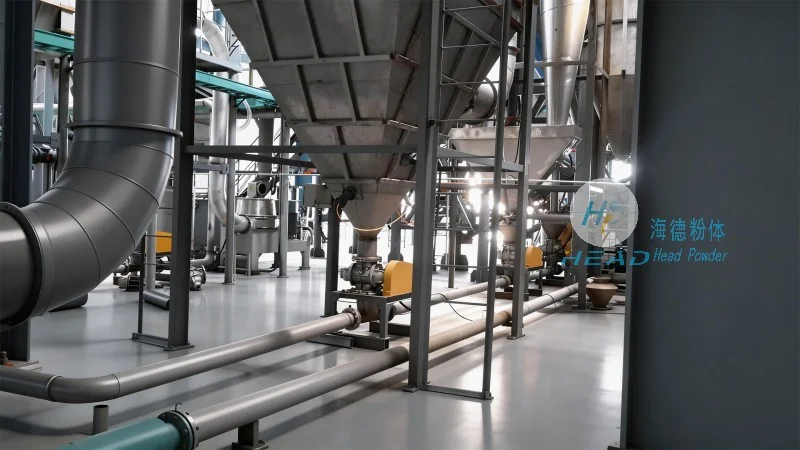
White powder material conveying equipment from Shandong HeadPowder Engineering Co., Ltd. offers a range of features tailored to the unique requirements of white powder handling. The company specializes in designing and manufacturing customized solutions that meet the specific needs of clients. The equipment typically includes components such as feeders, conveyors, and control systems, all integrated into a single unit for ease of operation. The feeders are designed to handle various powder types, with adjustable speed and capacity settings to control the flow rate. The conveyors may use pneumatic or mechanical methods, depending on the material's properties. Pneumatic conveying systems are ideal for fine powders, as they can transport the material over long distances with minimal pressure loss. Mechanical conveyors, such as screw conveyors or belt conveyors, are suitable for bulkier or more cohesive powders. The control systems include sensors and automation software to monitor and adjust the conveying process in real-time. This ensures that the equipment operates efficiently and safely. The technical specifications of the equipment vary based on the application, with options for different material capacities, conveying distances, and operating pressures. For example, some models can handle up to 10 tons per hour of white powder, while others are designed for smaller-scale operations. The equipment is also equipped with safety features, such as emergency stop buttons and pressure relief valves, to prevent accidents and ensure operator safety. The design incorporates ergonomic considerations, with easy access to maintenance points and clear operational indicators. This makes the equipment user-friendly and reduces downtime for maintenance. The company's commitment to quality is reflected in the use of high-grade materials and rigorous testing procedures. Each piece of equipment undergoes thorough inspection before delivery to ensure it meets the required standards. The technical specifications are also backed by detailed documentation, including user manuals and maintenance guides, to assist clients in operating and maintaining the equipment effectively.
Benefits and Advantages of Using White Powder Conveying Equipment
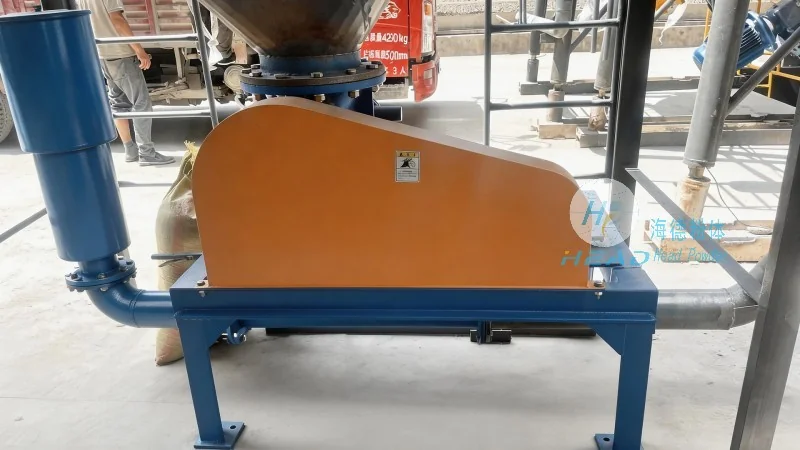
Implementing white powder material conveying equipment offers several benefits that enhance operational efficiency and product quality. One of the primary advantages is the improvement in product purity and consistency. By using enclosed systems and gentle handling mechanisms, the equipment minimizes contamination and ensures that the white powder remains free from foreign particles. This is particularly important in industries where product quality directly impacts consumer safety and regulatory compliance. The equipment also reduces material waste by optimizing the conveying process and minimizing spillage. The precise control over flow rates and the use of efficient conveying methods result in lower material losses, leading to cost savings for the business. Another benefit is the increased operational efficiency. The equipment operates continuously, with minimal downtime for maintenance, and can handle high volumes of material without the need for manual intervention. This allows for a streamlined production process, where the conveying equipment seamlessly integrates with other machinery. The automation features, such as sensors and control systems, further enhance efficiency by reducing the need for manual monitoring and adjustments. The equipment also contributes to a safer working environment by minimizing the risk of dust explosions and exposure to harmful particles. The enclosed design and filtration systems prevent dust from entering the workplace, reducing the risk of respiratory issues for operators. Additionally, the equipment is designed to be energy-efficient, with options for variable speed drives and energy recovery systems. This helps in reducing operational costs and minimizing the environmental impact. The use of white powder conveying equipment also supports compliance with industry regulations. The equipment's design and operation align with GMP, FDA, and other relevant standards, ensuring that the business meets the required quality and safety requirements. This is crucial for industries where regulatory compliance is a key concern. The equipment's modular design allows for easy integration with existing production lines, reducing the need for major renovations or new installations. This makes it a cost-effective solution for businesses looking to upgrade their material handling processes. Overall, the benefits of using white powder material conveying equipment extend beyond just material transport, contributing to improved product quality, operational efficiency, and safety in industrial settings.




