Efficient material handling is a critical factor in modern industrial operations, and the automatic feeding powder pneumatic conveying system has emerged as a sophisticated solution to meet these demands. This system combines advanced automation with pneumatic technology to ensure seamless and reliable transport of powders and bulk materials. As a leading provider in the field, Shandong HeadPowder Engineering Co., Ltd. specializes in designing and manufacturing such systems, offering tailored solutions that enhance productivity and operational efficiency across various industries.
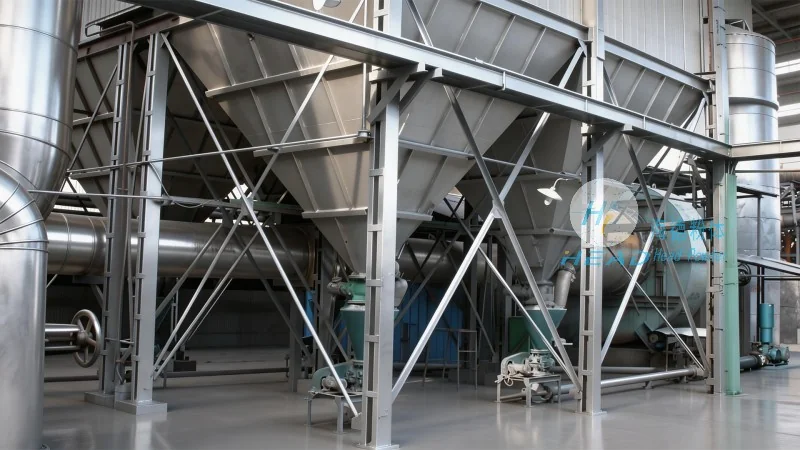
Company Overview: Headpowder
Headpowder, a prominent enterprise based in Shandong, China, is dedicated to advancing material handling technologies. With a strong commitment to innovation and quality, the company has established itself as a trusted partner for businesses seeking reliable pneumatic conveying solutions. The company's expertise lies in integrating cutting-edge engineering with practical applications, ensuring that each system is optimized for the specific needs of its clients.
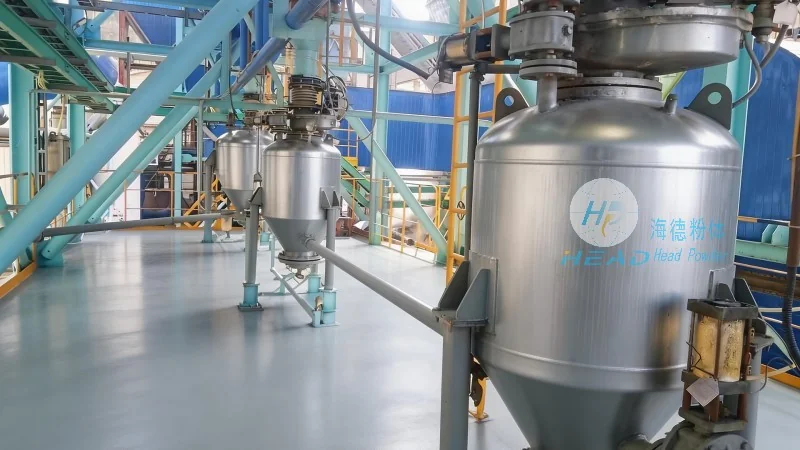
The Principle of Automatic Feeding Powder Pneumatic Conveying
The core of the automatic feeding powder pneumatic conveying system lies in its ability to transport powders through a pressurized or vacuum air stream. The system typically operates by feeding material from a hopper or silo into a conveying line, where it is mixed with air under controlled pressure. This process allows for the efficient movement of materials over long distances without the need for mechanical components like belts or buckets. The automatic feeding mechanism ensures a consistent and continuous supply of material, eliminating the need for manual intervention and reducing downtime. The pneumatic conveying technology leverages the principles of fluid dynamics, where the air acts as a medium to carry the powder particles, enabling smooth and controlled transport. Key components include the feeding hopper, air compressor, conveying pipes, and control valves, all working in harmony to maintain optimal performance. The system can be configured for both positive pressure (where air is blown into the system) and negative pressure (where air is drawn out), depending on the application requirements. This flexibility allows for adaptation to diverse operational scenarios, from low to high material flow rates.
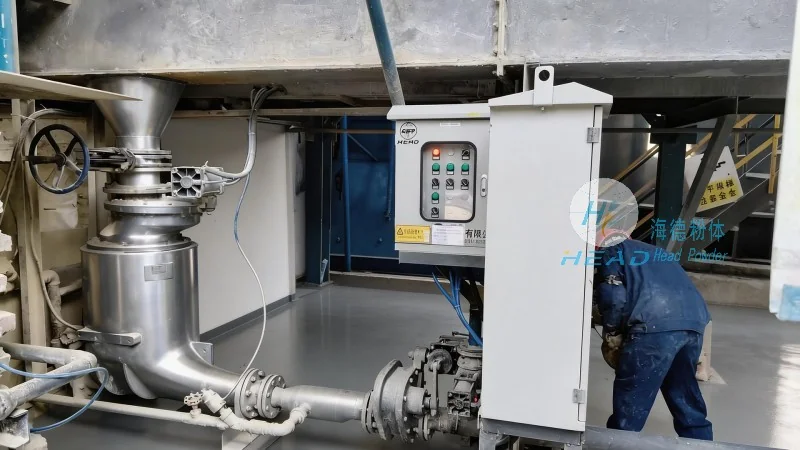
Working Scene Characteristics
The working scene characteristics of the automatic feeding powder pneumatic conveying system are defined by its adaptability to various industrial environments and material types. One of the primary advantages is its ability to handle a wide range of powders, including fine, dry, and abrasive materials, without causing degradation or contamination. The system is particularly effective in applications where traditional mechanical conveyors may be impractical, such as in food processing, pharmaceuticals, and chemical industries, where hygiene and material purity are paramount. In these sectors, the enclosed design of the pneumatic system prevents dust emissions and cross-contamination, ensuring compliance with stringent regulatory standards. Additionally, the system's compact footprint makes it suitable for installations in limited spaces, a common challenge in modern industrial facilities. The working scene also includes scenarios where material transport requires vertical or horizontal movement, or a combination of both. The system can be configured with vertical conveying sections to elevate materials to higher levels, or horizontal sections to move materials across different areas of a facility. This versatility allows for integration into existing production lines, minimizing the need for extensive modifications. Another key characteristic is the system's ability to handle varying material flow rates, from low-volume, high-value products to high-volume bulk materials. The automatic feeding mechanism adjusts the material supply based on real-time demand, ensuring that the conveying process remains efficient and cost-effective. The working scene also considers the impact of the system on overall operational costs. By reducing labor requirements and minimizing material loss, the system contributes to long-term cost savings. Furthermore, the system's low maintenance requirements and durability ensure a high return on investment, making it a sustainable choice for businesses looking to enhance their material handling capabilities.




