Lightweight aggregate powder pneumatic conveying lines represent a sophisticated solution for the efficient and safe handling of fine materials in various industrial sectors. This article explores the fundamental principles behind these systems and highlights the key working scene characteristics that make them suitable for diverse applications, including construction, insulation, and manufacturing processes.
Introduction to Lightweight Aggregate Powder Pneumatic Conveying
Lightweight aggregate powders, such as expanded clay, perlite, or vermiculite, are widely utilized in construction, thermal insulation, and composite material production due to their low density and excellent thermal properties. Traditional bulk material handling methods like belt conveyors or bucket elevators may not be optimal for these powders because of their fine particle size and tendency to create dust or cause blockages. Pneumatic conveying systems offer a superior alternative by utilizing air pressure to move the material through a pipeline network, ensuring a clean, dust-free transfer process that maintains material integrity.
Core Principles of Pneumatic Conveying Systems
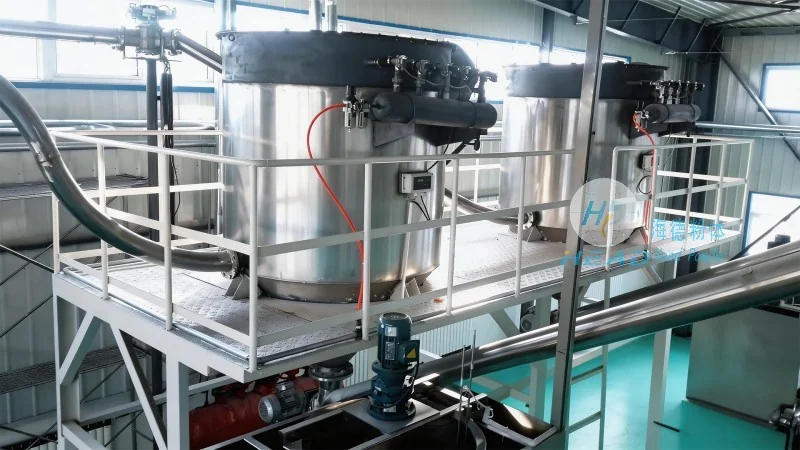
The operation of a lightweight aggregate powder pneumatic conveying line is based on the principle of fluidization and air movement. The system typically comprises a blower or compressor to generate the necessary air pressure, a hopper or feeder to introduce the powder, a pipeline network for transport, and a receiver or discharge point where the material is collected. The key components work in concert to create a consistent flow of material by maintaining the right air-to-material ratio, which is critical for preventing clogging and ensuring efficient transport.
There are two primary types of pneumatic conveying systems: pressure and vacuum. Pressure systems use positive pressure to push the material through the pipeline, while vacuum systems use negative pressure to pull the material. For lightweight aggregate powders, pressure systems are often preferred due to their ability to handle higher material loads and longer distances without significant pressure drop. The selection of the system type depends on factors such as the distance between the feed and discharge points, the required material flow rate, and the specific characteristics of the powder being transported.
Working Scene Characteristics and Applications
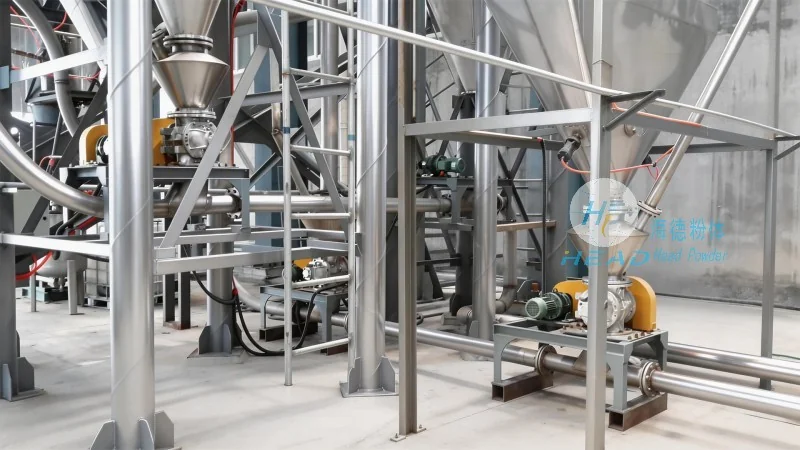
The working scene characteristics of lightweight aggregate powder pneumatic conveying lines are tailored to meet the demands of diverse industrial environments. These systems are commonly employed in the following scenarios:
Construction and Building Materials Industry: In this sector, the systems are used to transport lightweight aggregates for concrete production, wall insulation, and decorative applications. The ability to handle fine powders without dust generation is crucial for maintaining quality control and worker safety. The systems are often integrated into batching plants or production lines, where precise material dosing is required.
Insulation and Plastering Industry: Lightweight aggregates are essential components in thermal insulation materials and plaster products. Pneumatic conveying lines ensure that these powders are delivered to mixing stations or production facilities in a controlled manner, maintaining the consistency and quality of the final products. The systems help in reducing material waste and improving overall production efficiency.
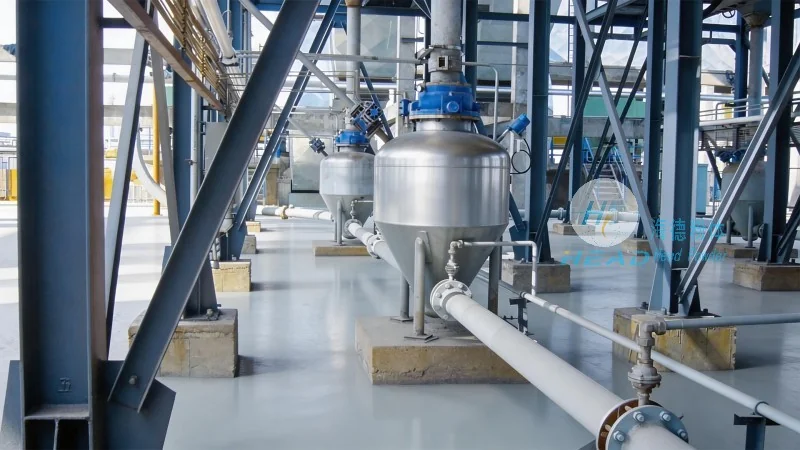
Industrial Manufacturing and Processing: Beyond construction, these systems are applied in various manufacturing processes where lightweight powders are used as raw materials or additives. For example, in the production of lightweight concrete blocks or composite materials, the pneumatic conveying line provides a reliable method for transporting the aggregates from storage to the production line. The systems are designed to handle varying particle sizes and flow rates, adapting to the specific needs of each manufacturing process.
Advantages and Benefits in Practical Applications
Implementing lightweight aggregate powder pneumatic conveying lines offers several advantages that enhance operational efficiency and product quality. These benefits include:
Efficient Material Transport: The systems can transport lightweight aggregates over long distances with minimal energy consumption compared to traditional methods. The air pressure and pipeline design allow for a consistent flow rate, ensuring that the material reaches its destination without delays or interruptions.
Dust-Free and Clean Operation: Unlike mechanical conveyors, pneumatic systems prevent dust generation and contamination, which is vital for maintaining a safe working environment and complying with environmental regulations. The enclosed pipeline network keeps the material contained, reducing the risk of exposure to airborne particles.
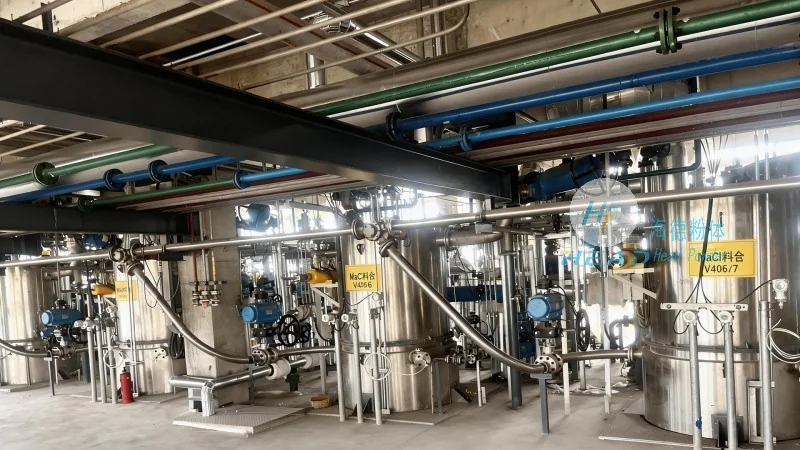
Reduced Maintenance and Downtime: Pneumatic conveying systems have fewer moving parts compared to mechanical alternatives, leading to lower maintenance requirements and reduced downtime. The absence of belts, chains, or buckets minimizes the risk of mechanical failures and simplifies routine maintenance tasks.
Flexibility and Scalability: These systems can be easily adapted to different production needs, allowing for changes in material flow rates or distances without major modifications. The modular design enables the integration of additional components or extensions to the pipeline network as the production scale grows.
Conclusion and Industry Impact
Lightweight aggregate powder pneumatic conveying lines represent a critical technology for modern material handling, addressing the unique challenges associated with lightweight aggregates while providing reliable, efficient, and safe material transport solutions. The working scene characteristics, including their application in construction, insulation, and manufacturing, highlight the versatility and reliability of pneumatic conveying technology. As industries continue to prioritize efficiency and sustainability, the adoption of such systems will likely increase, further solidifying their role in enhancing productivity and product quality across various sectors.




