PTFE (Polytetrafluoroethylene) is a highly valued engineering plastic known for its excellent chemical resistance, thermal stability, and low friction properties. In industrial applications, the efficient and reliable transportation of PTFE powder is crucial for maintaining product quality and operational efficiency. PTFE powder pneumatic conveying lines offer a sophisticated solution to this challenge, combining advanced engineering with practical design to meet the demands of various industrial processes. This article explores the fundamental principles behind these systems and highlights the key characteristics of their operational scenarios.
Core Principles of PTFE Powder Pneumatic Conveying
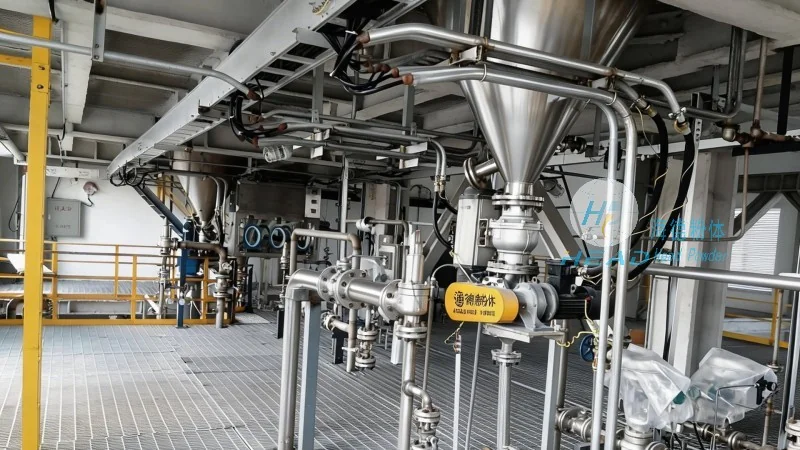
The operation of PTFE powder pneumatic conveying lines is based on the fundamental principle of transporting particulate materials through a gas stream. The system typically consists of a material feed hopper, a conveying pipe, a pneumatic pump or blower, and a discharge point. The process begins with the PTFE powder being fed into the hopper, where it is then introduced into the conveying pipe. A high-pressure air or gas stream is then generated by the blower, which propels the powder particles through the pipe to the desired destination. The key to efficient operation lies in maintaining the correct air-to-powder ratio, ensuring that the powder is fully suspended and transported without clogging or degradation. The design of the conveying line, including pipe diameter, length, and bends, is critical to achieving optimal performance and minimizing pressure drop. Properly sized and positioned components, such as in-line filters and check valves, are essential to prevent material buildup and maintain consistent flow rates.
Key Working Scene Characteristics
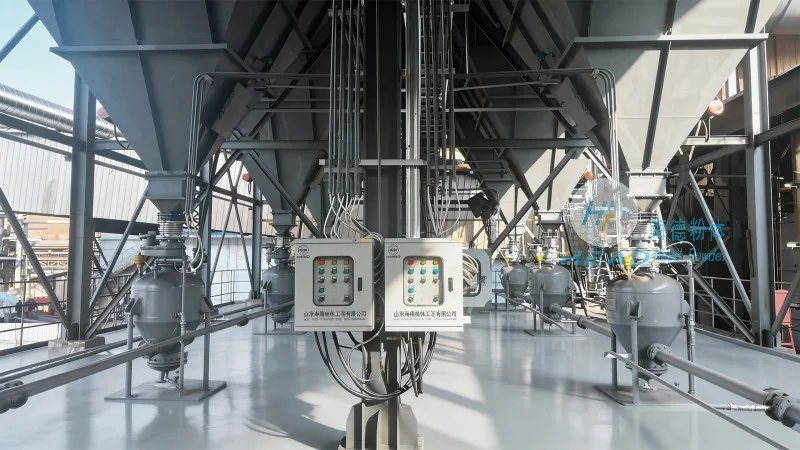
The operational characteristics of PTFE powder pneumatic conveying lines vary significantly depending on the specific application and process requirements. In industrial settings, these systems are commonly used in environments where traditional mechanical conveying methods may be unsuitable due to the properties of PTFE powder. For instance, in chemical processing plants, where PTFE is used as a coating or additive, the need for a clean, dust-free transfer process is paramount. PTFE powder pneumatic conveying lines excel in such scenarios by providing a sealed, enclosed system that prevents contamination and ensures product integrity. Another common application is in the manufacturing of PTFE-based products, such as gaskets, seals, and bearings, where the powder must be transferred from storage to processing equipment without exposure to moisture or contaminants. The flexibility of pneumatic conveying allows for the integration of these systems into existing production lines, enabling seamless material handling and reducing downtime.
Advantages of PTFE Powder Pneumatic Conveying Systems
PTFE powder pneumatic conveying lines offer several advantages over traditional mechanical conveying methods. One of the primary benefits is the ability to handle fine, abrasive, or hygroscopic powders without causing damage or degradation. The enclosed system also minimizes dust emissions, improving workplace safety and compliance with environmental regulations. Additionally, pneumatic conveying systems can be designed to operate at high speeds, reducing overall transfer time and increasing production throughput. The flexibility of the system allows for easy integration with automated processes, such as batching and mixing, enhancing overall operational efficiency. Furthermore, the absence of moving parts in the conveying line reduces maintenance requirements and extends the lifespan of the equipment. These advantages make PTFE powder pneumatic conveying lines a preferred choice for industries that require precise, reliable, and cost-effective material handling solutions.
Application Examples and Operational Scenarios
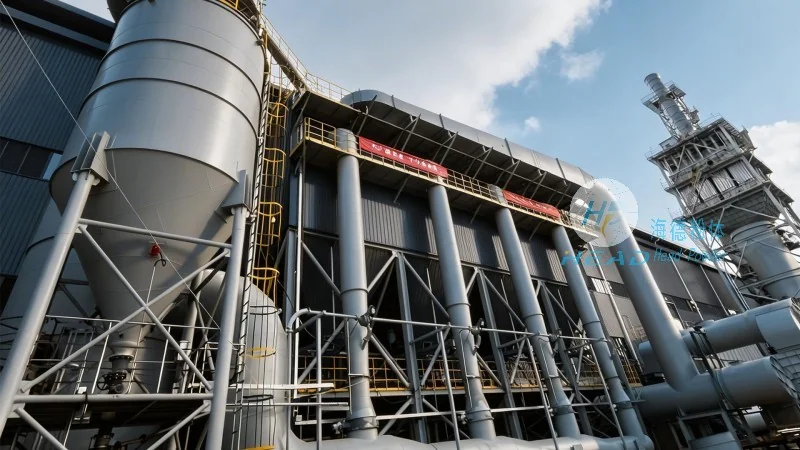
PTFE powder pneumatic conveying lines are widely used in various industrial applications, each with unique operational requirements. In the chemical industry, for example, these systems are employed to transport PTFE powder from bulk storage to processing reactors, ensuring a consistent feed rate and preventing contamination. The high chemical resistance of PTFE and the sealed nature of the conveying line make it ideal for handling aggressive chemicals or corrosive environments. In the manufacturing of PTFE-based components, such as extruded tubing or molded parts, the powder is transferred from a hopper to a mixer or extruder, where it is combined with other additives and processed into the final product. The precision of pneumatic conveying allows for accurate dosing, which is critical for maintaining the desired properties of the final product. Another application is in the food and pharmaceutical industries, where PTFE is used as a release agent or coating. The hygienic design of PTFE powder pneumatic conveying lines ensures that the material is handled in a clean environment, meeting stringent regulatory requirements. These examples illustrate the versatility and effectiveness of PTFE powder pneumatic conveying lines in diverse operational scenarios.
Conclusion
PTFE powder pneumatic conveying lines represent a sophisticated and efficient solution for the transportation of PTFE powder in industrial applications. By leveraging the principles of pneumatic conveying, these systems offer reliable, clean, and flexible material handling capabilities. The operational characteristics of these lines, including their ability to handle fine powders, maintain product integrity, and integrate with automated processes, make them a valuable asset for industries that rely on PTFE-based materials. As a leading provider of engineering solutions, Shandong HeadPowder Engineering Co., Ltd. specializes in designing and manufacturing PTFE powder pneumatic conveying systems tailored to the specific needs of its clients. With a focus on quality, innovation, and customer satisfaction, HeadPowder ensures that its systems meet the highest standards of performance and reliability, supporting the success of its clients in various industrial sectors.




