For industries handling magnesium oxide powder, the selection of an efficient and reliable material conveying system is crucial for operational efficiency and product quality. Pneumatic conveying equipment, specifically designed for handling fine powders like magnesium oxide, offers a solution that integrates principles of fluid dynamics and mechanical engineering to ensure safe and effective material transport. This article explores the fundamental principles behind such equipment and highlights key characteristics of its working scenarios, with a focus on the expertise of Shandong HeadPowder Engineering Co., Ltd., a leading provider in this field.
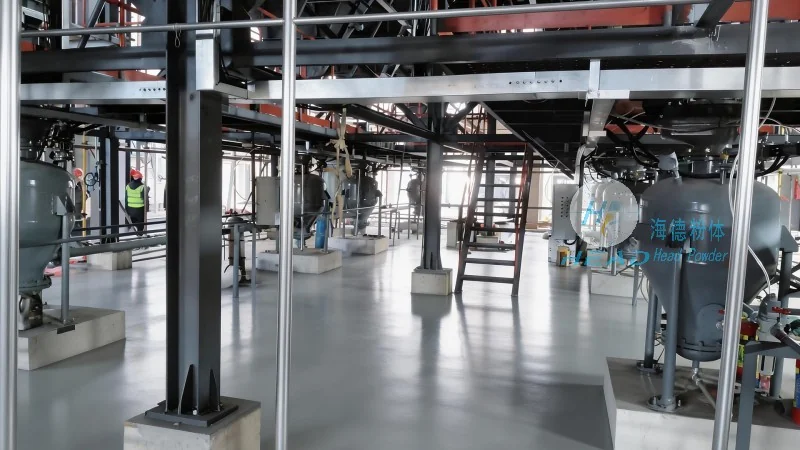
Company Profile: Shandong HeadPowder Engineering Co., Ltd.
HeadPowder, as the company is commonly known, is a professional manufacturer and supplier of pneumatic conveying systems based in Shandong, China. With years of experience in the industry, the company specializes in customizing equipment tailored to the unique needs of clients, including those dealing with magnesium oxide and other fine powders. The company’s headquarters is located in Shandong, China, where its research and development team continuously innovates to enhance the performance and reliability of its products.
The Principle of Pneumatic Conveying for Magnesium Oxide Powder
Pneumatic conveying, also known as air conveying, operates on the principle of using compressed air to transport solid materials through a pipeline system. In the case of magnesium oxide powder, the equipment typically consists of a hopper for material storage, a feeder to control the flow rate, a conveying line where the powder is suspended and moved by the air stream, and a discharge point where the material is deposited. The core mechanism involves creating a pressure differential between the inlet and outlet of the conveying line, which generates the necessary force to lift and transport the powder particles. This process is often categorized into two main types: dilute phase and dense phase conveying, each with distinct characteristics suitable for different material properties and application requirements.
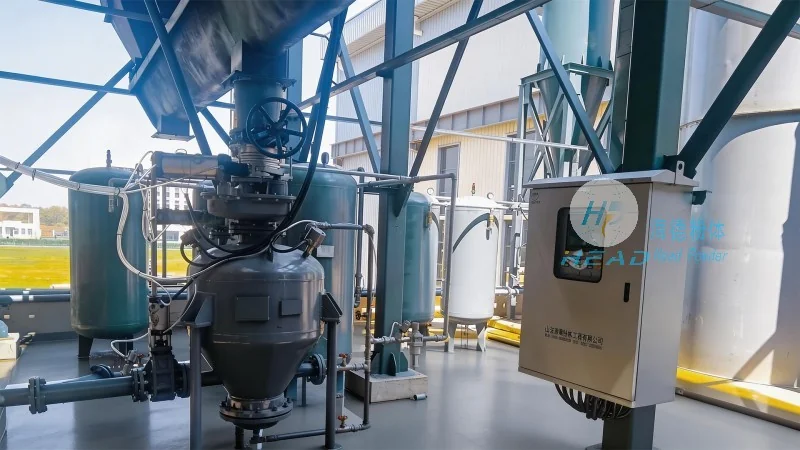
Key Working Scene Characteristics
The working scene characteristics of magnesium oxide powder pneumatic conveying equipment are influenced by several factors, including the particle size, moisture content, and flowability of the material, as well as the operational environment. In industrial settings, these systems are commonly used in applications such as material transfer between processing units, storage and handling in bulk material facilities, and integration with downstream production lines. The equipment's design must account for the potential for material segregation, caking, or dust generation, which can impact the efficiency and safety of the conveying process. Advanced models from HeadPowder incorporate features like adjustable air flow rates, pressure control systems, and material separation devices to mitigate these issues and ensure consistent performance.
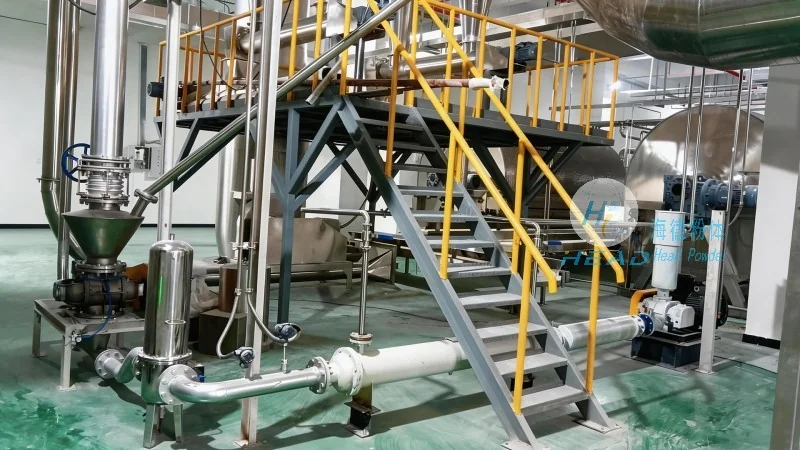
Application Scenarios and Operational Advantages
Magnesium oxide powder is widely used in various industries, including construction, pharmaceuticals, and chemical manufacturing. The pneumatic conveying equipment designed for this material is particularly suitable for applications that require dust-free, low-loss transport over medium to long distances. For example, in a chemical plant, the equipment can efficiently transfer magnesium oxide from a storage silo to a mixing or processing unit, minimizing the risk of contamination and ensuring accurate dosing. In the construction industry, it may be used to transport the powder to a batching plant or a manufacturing site, where it is incorporated into concrete or other building materials. The operational advantages of such systems include reduced labor costs, improved safety by eliminating manual handling of powders, and enhanced product quality through controlled and hygienic transport. Additionally, the equipment's ability to handle varying material loads and adjust to different operational conditions makes it versatile for diverse industrial needs.
Conclusion and Industry Standards
As a leading manufacturer, Shandong HeadPowder Engineering Co., Ltd. emphasizes the importance of adhering to industry standards and best practices in the design and implementation of pneumatic conveying systems for magnesium oxide powder. The company’s products are engineered to meet or exceed international safety and performance benchmarks, ensuring compliance with regulations related to material handling and environmental protection. By understanding the principles of pneumatic conveying and the specific characteristics of magnesium oxide powder, industries can select the most appropriate equipment to optimize their operations. The working scene characteristics of these systems, when properly configured and maintained, contribute significantly to the overall efficiency and reliability of material handling processes in various industrial applications.




