HeadPowder, a leading engineering company based in Shandong, China, specializes in the design and implementation of advanced pneumatic conveying systems for material handling. This article delves into the fundamental principles of tank truck material pneumatic conveying lines and explores the key characteristics of their operational environments.
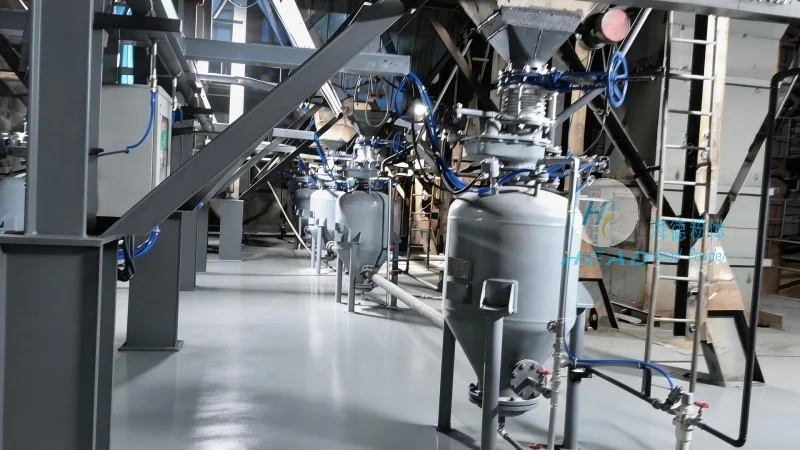
Company Overview: HeadPowder Engineering
HeadPowder Engineering Co., Ltd. is a professional manufacturer and supplier of industrial material handling solutions. With a strong presence in Shandong, China, the company has established itself as a trusted partner for businesses seeking efficient and reliable pneumatic conveying systems. The company’s expertise lies in customizing solutions that meet the specific needs of various industries, ensuring optimal performance and durability.
Principle of Tank Truck Material Pneumatic Conveying
The core principle of tank truck material pneumatic conveying lines involves the use of air pressure to transport bulk materials from a source, such as a tank truck, to a destination, like a processing plant or storage facility. This method relies on the creation of a low-pressure zone within the conveying line, which draws material particles into the air stream. The system typically consists of a hopper, a blower or compressor, a pipeline network, and a receiving hopper or silo. As the air flows through the pipeline, it carries the material particles, allowing for a continuous and controlled transfer process.
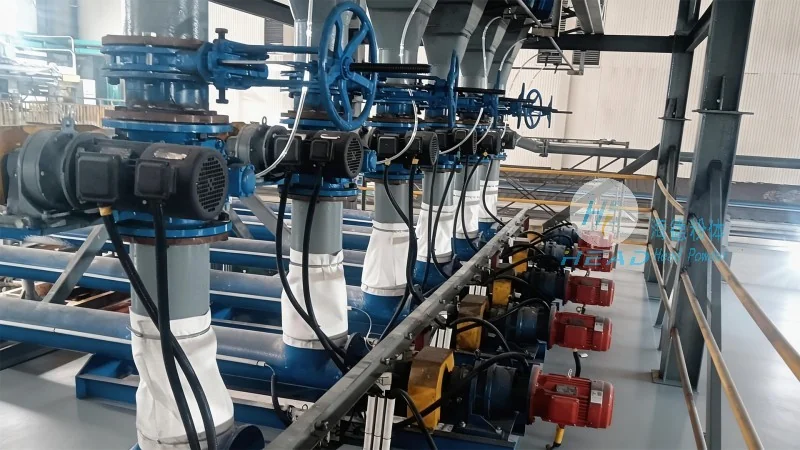
Working Scene Characteristics
The operational environment of tank truck material pneumatic conveying lines is characterized by several key factors that influence system performance and efficiency. These characteristics include:
- Material Properties: The type of material being conveyed, such as powders, granules, or fine particles, significantly impacts the system design. Factors like particle size, density, moisture content, and flowability determine the appropriate air velocity and pressure requirements.
- System Layout and Infrastructure: The physical layout of the conveying line, including the distance between the tank truck and the receiving point, the number of bends and fittings, and the elevation changes, all affect the system’s performance. Properly designed pipelines with minimal obstructions ensure smooth material flow.
- Environmental Conditions: The ambient temperature, humidity, and potential exposure to dust or other contaminants in the operational area can influence the system’s components and maintenance requirements. For example, in outdoor applications, weatherproofing and corrosion-resistant materials may be necessary to ensure long-term reliability.
- Operational Requirements: The demand for continuous or intermittent material transfer, the required throughput capacity, and the need for automation or control systems are critical considerations. Modern pneumatic conveying systems often integrate with process control systems to optimize material handling and reduce downtime.
Advantages of Tank Truck Material Pneumatic Conveying
Implementing tank truck material pneumatic conveying lines offers several advantages over traditional material handling methods. These benefits include:
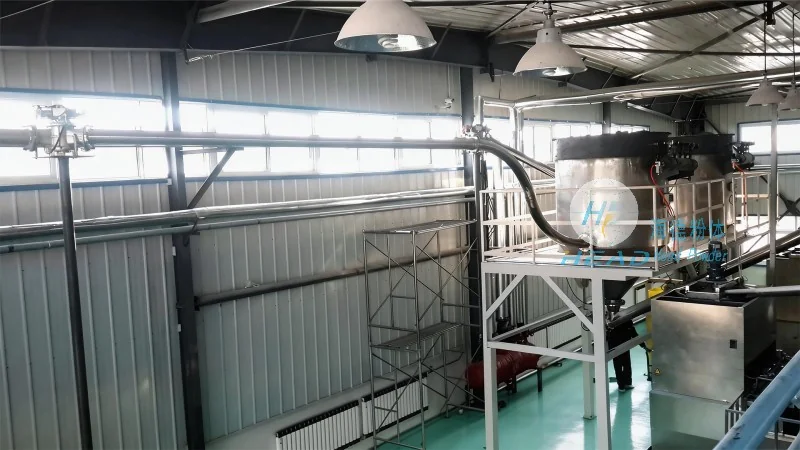
- Efficiency and Speed: The system enables rapid and continuous material transfer, reducing the time required for loading and unloading operations. This leads to increased productivity and reduced labor costs.
- Space Efficiency: Pneumatic conveying systems are particularly suitable for applications where space is limited. The compact design of the conveying line allows for installation in confined areas, making it ideal for urban or industrial settings with restricted floor space.
- Reduced Downtime: By eliminating the need for manual handling or mechanical equipment like conveyor belts or elevators, the risk of equipment failure and associated downtime is minimized. The system’s reliability and low maintenance requirements contribute to consistent operation.
- Improved Safety: The enclosed nature of the pneumatic conveying line prevents dust emissions and reduces the risk of material spillage or accidents. This enhances workplace safety and compliance with environmental regulations.
Applications and Industries
Tank truck material pneumatic conveying lines are widely used across various industries, including:
- Pharmaceutical and Food Processing: These industries require hygienic and dust-free material handling to maintain product quality and safety standards. Pneumatic conveying systems are ideal for transferring powders and granules without contamination.
- Chemical and Petrochemical: The system is used for transporting bulk chemicals, fertilizers, and other hazardous materials, ensuring safe and controlled handling.
- Mineral and Mining: In mining operations, pneumatic conveying lines are employed to transport ore and other minerals from storage facilities to processing plants, improving operational efficiency.
- Construction Materials: The system is used for conveying cement, sand, and other construction materials, facilitating efficient material distribution on construction sites.
Conclusion
HeadPowder Engineering Co., Ltd. provides comprehensive solutions for tank truck material pneumatic conveying lines, combining advanced engineering principles with practical application expertise. By understanding the specific requirements of each operational environment, the company designs and implements systems that deliver optimal performance, reliability, and cost-effectiveness. Whether for industrial, pharmaceutical, or construction applications, the tank truck material pneumatic conveying line remains a vital component in modern material handling, offering a sustainable and efficient approach to bulk material transfer.




