HeadPowder, a leading manufacturer based in Shandong, China, specializes in providing advanced dust-free material feeding solutions through its innovative pneumatic conveying equipment. This article delves into the fundamental principles of these systems and highlights the key characteristics of their operational environments.
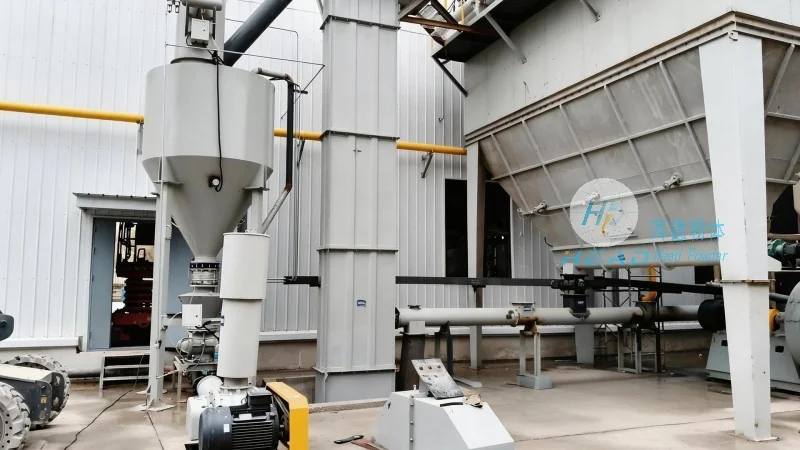
Introduction to Dust-Free Material Feeding Pneumatic Conveying
Pneumatic conveying systems are essential for transporting bulk materials in industries where maintaining a clean and controlled environment is critical. These systems utilize air or gas to move materials from one location to another, eliminating the need for mechanical components like belts or buckets that could introduce contaminants. The core principle revolves around creating a pressure differential to draw or push materials through a pipeline network.
Working Principle of Pneumatic Conveying Equipment
The operation of a dust-free material feeding pneumatic conveyor typically involves two main types: suction (or vacuum) and pressure systems. In suction systems, a vacuum is created at the material inlet to draw the material into the pipeline. The material is then carried by the airflow to the discharge point. Conversely, pressure systems use compressed air to push the material through the pipeline. Both methods are designed to minimize dust generation and ensure a clean transfer process.
Key components of such systems include the material hopper, air compressor or vacuum pump, conveying pipeline, and discharge valve. The material is fed into the hopper, where it is then drawn or pushed by the air flow. The pipeline is usually made of stainless steel or other corrosion-resistant materials to maintain hygiene standards, especially in industries like pharmaceuticals and food processing.
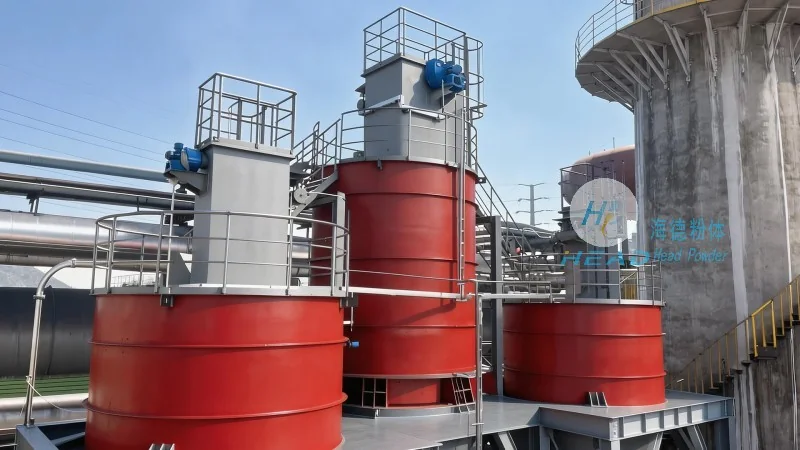
Application Characteristics in Different Work Environments
The operational characteristics of dust-free material feeding pneumatic conveyors are tailored to meet the specific demands of various industrial settings. In pharmaceutical manufacturing, for example, the equipment must comply with stringent GMP (Good Manufacturing Practice) regulations, ensuring that all materials are handled in a sterile and contamination-free manner. The systems are designed to prevent cross-contamination and maintain particle cleanliness, which is crucial for producing high-quality medications.
In the food industry, similar hygiene requirements apply. The equipment is often used to transport ingredients like flour, sugar, or spices without compromising food safety. The dust-free design prevents product contamination and maintains the quality of the final food products. Additionally, the systems are easy to clean and maintain, which is essential for compliance with food safety standards.
In chemical and petrochemical industries, the focus is on handling abrasive or corrosive materials while ensuring safety and environmental protection. The pneumatic conveying systems are equipped with robust components that can withstand harsh conditions, and the dust-free design helps in reducing the risk of dust explosions and environmental pollution.
Advantages of Dust-Free Material Feeding Systems
One of the primary advantages of these systems is their ability to maintain a clean and controlled environment. By eliminating the need for manual handling and mechanical conveyors, the risk of dust and particle contamination is significantly reduced. This not only improves product quality but also enhances workplace safety by minimizing the exposure to airborne particles.
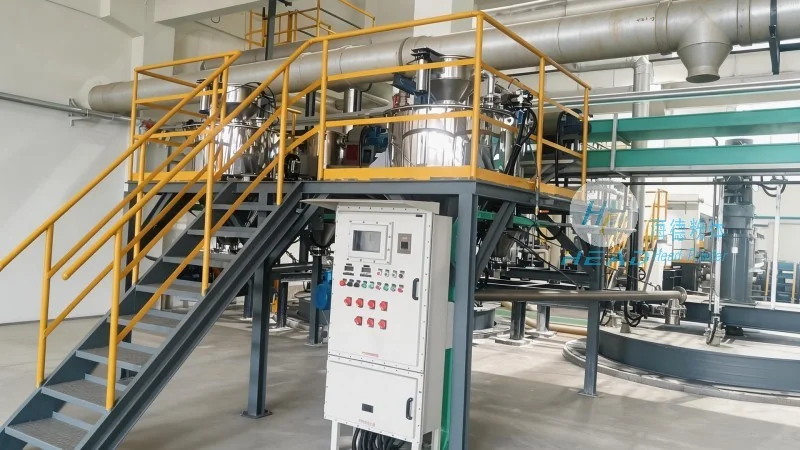
Another key advantage is the high efficiency and flexibility of the systems. They can handle a wide range of materials, from fine powders to bulk solids, and can be easily integrated into existing production lines. The systems are also capable of transporting materials over long distances and through multiple stages of processing, making them suitable for large-scale industrial applications.
The automated nature of the equipment reduces labor costs and increases operational consistency. With minimal human intervention required for material transfer, the systems operate reliably and consistently, ensuring that production processes run smoothly without interruptions.
Conclusion
HeadPowder's dust-free material feeding pneumatic conveying equipment exemplifies the advanced technology and engineering expertise required to meet the demanding needs of modern industries. By understanding the fundamental principles and application characteristics of these systems, businesses can make informed decisions about implementing efficient and reliable material handling solutions. The combination of hygiene, efficiency, and safety makes these systems indispensable in sectors where product quality and environmental compliance are paramount.




