HeadPowder, a leading manufacturer based in Shandong, China, specializes in the design and production of advanced pneumatic conveying systems tailored for monocrystalline silicon material handling. This article explores the fundamental principles behind monocrystalline silicon material pneumatic conveying machines and highlights the key working scene characteristics that make them indispensable in modern industrial applications.
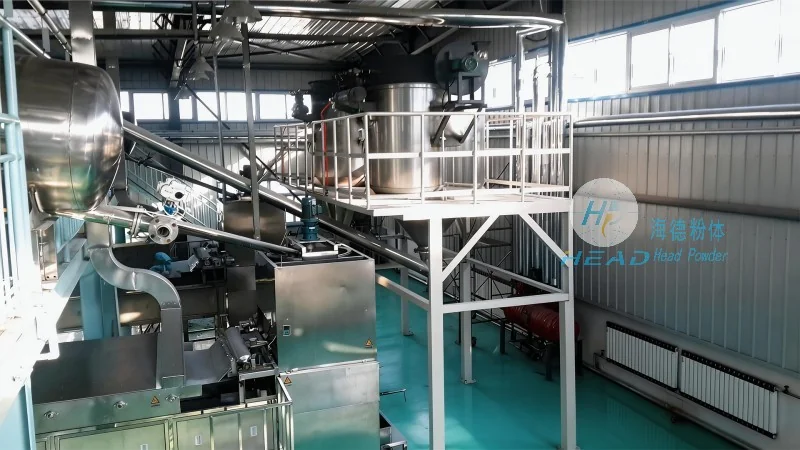
Introduction to Monocrystalline Silicon Material Pneumatic Conveying
Monocrystalline silicon, a critical raw material in the semiconductor and solar energy industries, requires precise and efficient handling to ensure quality and productivity. Pneumatic conveying systems offer a non-contact, low-damage method for transporting monocrystalline silicon powders or granules, addressing the unique challenges posed by this high-value material. The core principle of these systems involves using compressed air to create a flow that propels the material through a pipeline network, minimizing contamination and preserving material integrity.
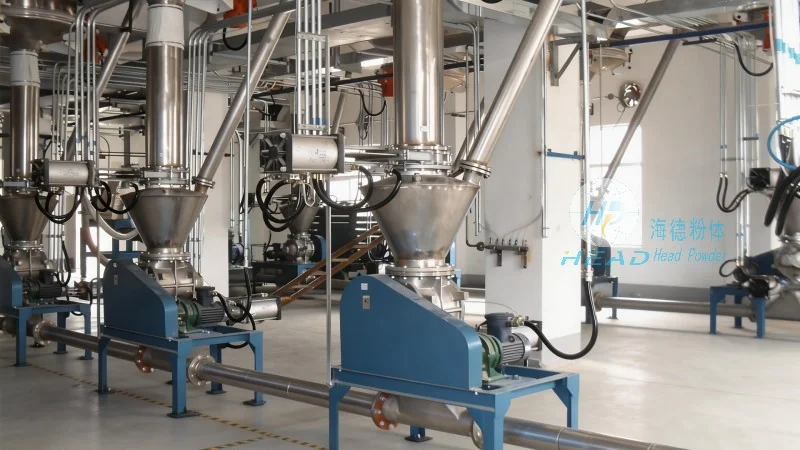
Working Principle of Pneumatic Conveying Systems
The operation of monocrystalline silicon material pneumatic conveying machines is based on the fundamental physics of fluid dynamics and material transport. There are two primary types of pneumatic conveying systems: dilute-phase and dense-phase. Dilute-phase systems use low air velocities to transport material in a suspended state, while dense-phase systems employ higher air pressures to push material in a plug flow, reducing particle degradation. For monocrystalline silicon, the choice between these systems depends on the material's characteristics, such as particle size, density, and moisture content, as well as the required conveying distance and throughput.
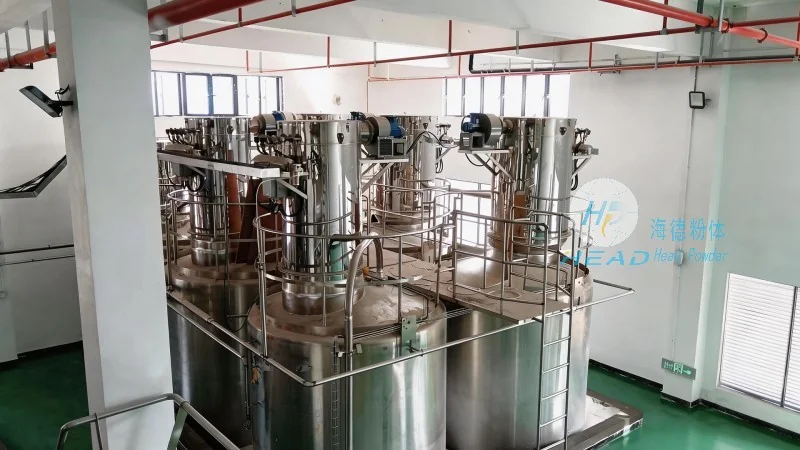
Key Working Scene Characteristics
The working scene characteristics of monocrystalline silicon material pneumatic conveying machines are tailored to the specific demands of industrial environments. These systems are designed to operate in cleanroom or controlled environments, where contamination control is paramount. The equipment is constructed from materials that are compatible with monocrystalline silicon, such as stainless steel or specialized alloys, to prevent chemical reactions or particle adhesion. Additionally, the conveying lines are often equipped with filters and cyclones to separate air from the material, ensuring that the material remains pure and free from contaminants.
Application Scenarios and Operational Benefits
Monocrystalline silicon material pneumatic conveying machines are widely used in various industrial settings, including silicon wafer manufacturing, solar cell production, and material processing facilities. In these scenarios, the systems provide several operational benefits, including reduced labor costs due to automated material transport, minimized material loss and degradation, and improved safety by eliminating manual handling of high-value or hazardous materials. The flexibility of pneumatic conveying allows for easy integration into existing production lines, with the ability to adjust conveying rates and distances as production needs change.
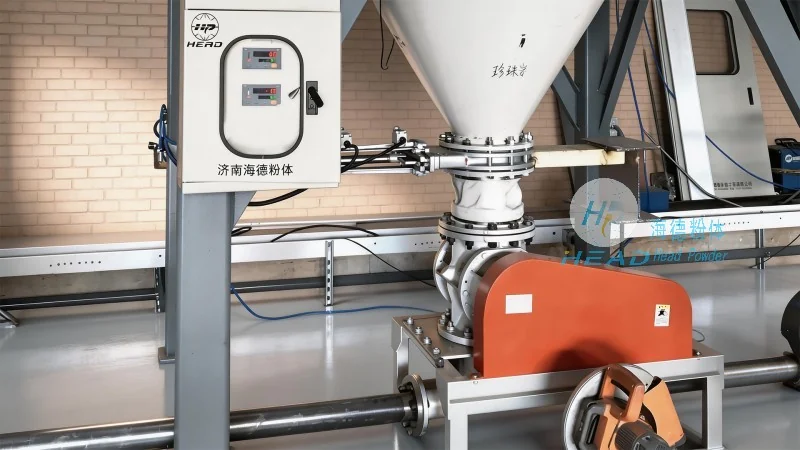
Conclusion
Monocrystalline silicon material pneumatic conveying machines represent a sophisticated solution for efficient and reliable material handling in high-tech industries. By understanding the underlying principles and working scene characteristics, businesses can leverage these systems to enhance productivity, maintain material quality, and ensure compliance with industry standards. As a manufacturer based in Shandong, China, HeadPowder continues to innovate in this field, providing tailored solutions that meet the evolving needs of the monocrystalline silicon processing industry.




