HeadPowder, a leading engineering company based in Shandong, China, specializes in the design and manufacturing of advanced pneumatic conveying systems tailored for bioenzyme material handling. This article delves into the core principles behind bioenzyme material pneumatic conveying machines and highlights the key characteristics of their operational scenarios, providing a comprehensive overview for industry professionals seeking efficient and reliable solutions for bioenzyme processing.
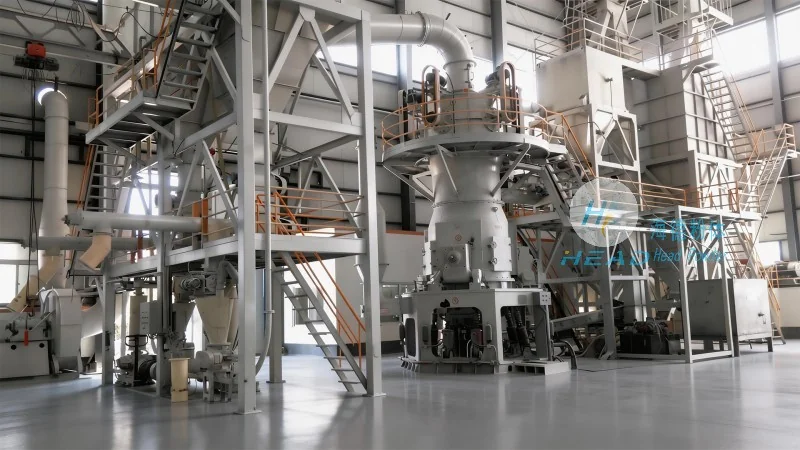
Company Profile and Expertise
HeadPowder Engineering Co., Ltd., headquartered in Shandong, China, is a reputable enterprise dedicated to providing innovative engineering solutions for material handling and processing. With years of experience in the industry, the company has developed a strong reputation for delivering high-quality pneumatic conveying equipment that meets the specific demands of various sectors, including the bioenzyme industry. Our team of skilled engineers and technicians focuses on creating customized solutions that optimize material transport, enhance operational efficiency, and ensure compliance with industry standards.
Introduction to Bioenzyme Material Pneumatic Conveying Machines
Bioenzyme material pneumatic conveying machines are specialized equipment designed to transport bioenzyme powders and granules through a pressurized or vacuum system. These machines are essential for industries such as pharmaceuticals, food processing, and biotechnology, where the handling of sensitive bioenzyme materials requires precise control and minimal product degradation. The core function of these systems is to move bioenzyme materials from one location to another without the need for mechanical contact, reducing the risk of contamination and maintaining product integrity.
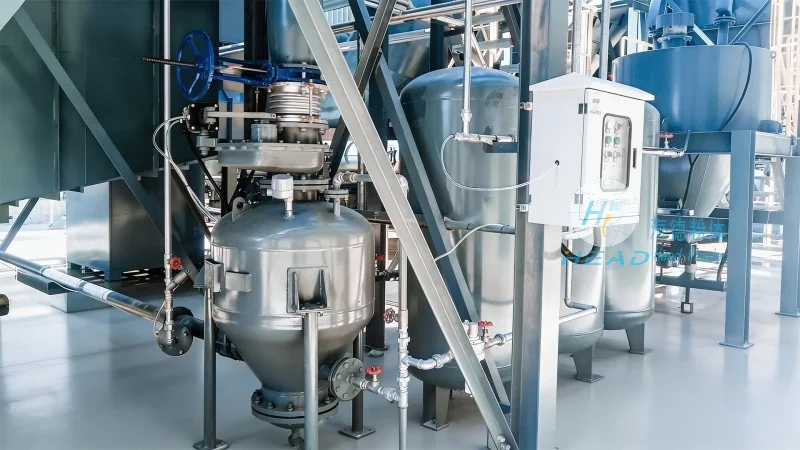
The Fundamental Principle of Pneumatic Conveying
The principle of pneumatic conveying involves the use of air or gas to transport bulk materials through a pipeline. In the case of bioenzyme material systems, the process typically operates under positive pressure (pressure conveying) or negative pressure (vacuum conveying). Positive pressure systems use a blower or compressor to generate air pressure that pushes the material through the pipeline, while vacuum systems create a negative pressure that pulls the material into the line. The choice between these methods depends on factors such as material properties, distance, and system complexity. For bioenzyme materials, which are often sensitive to moisture and temperature, the system design must prioritize gentle handling and minimal exposure to air, ensuring that the product remains stable and effective.
Key Working Scene Characteristics
The operational characteristics of bioenzyme material pneumatic conveying machines are tailored to meet the unique demands of their working environments. These characteristics include:
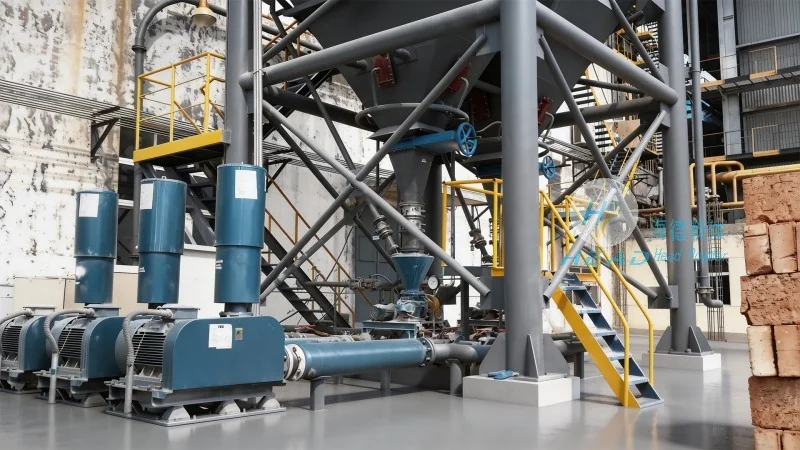
- Low-Pressure Operation: Many bioenzyme applications require low-pressure systems to prevent product degradation and maintain product quality. The equipment is designed to operate at pressures that are gentle on the material, minimizing the risk of particle breakage or agglomeration.
- Temperature Control: Bioenzyme materials are often sensitive to temperature fluctuations. The conveying system incorporates temperature control mechanisms to maintain a stable environment, ensuring that the material remains within its optimal processing range.
- Air Filtration and Cleanliness: To prevent contamination, the system includes high-efficiency air filters and cleanroom-compatible components. This ensures that the bioenzyme material remains free from impurities and microbial contamination, which is critical for pharmaceutical and food applications.
- Modular Design: The equipment is often modular, allowing for easy integration into existing production lines. This flexibility enables companies to adapt the system to changing production needs and scale operations as required.
- Material Compatibility: The components of the pneumatic conveying system are selected to be compatible with bioenzyme materials, avoiding any chemical reactions or material degradation that could affect product performance.
Application Scenarios and Industry Use Cases
Bioenzyme material pneumatic conveying machines are widely used in various industrial applications, including:
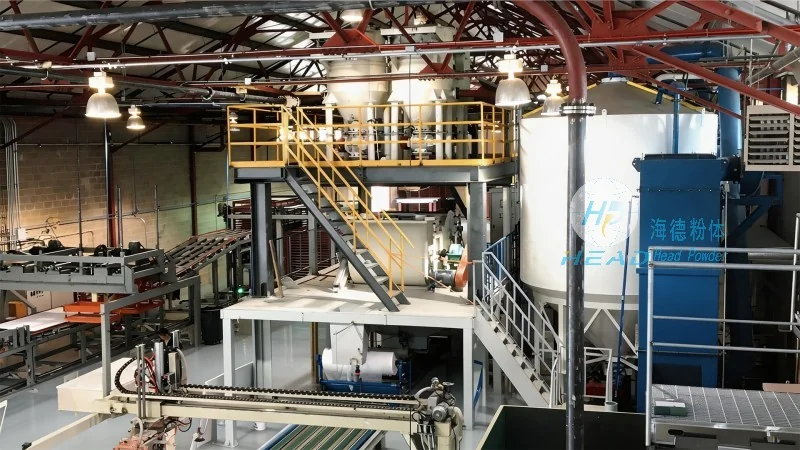
- Pharmaceutical Manufacturing: In the production of enzymes used in drug formulations, the system ensures that the bioenzyme powders are transported safely and efficiently from storage to processing units, maintaining their potency and purity.
- Food Processing: For enzymes used in food production, such as those used in cheese making or baking, the conveying system provides a hygienic and contamination-free method of moving the material from raw ingredient storage to production lines.
- Biotechnology Research: In research and development laboratories, the equipment is used to transport bioenzyme samples between different stages of experimentation, ensuring that the material remains intact and ready for analysis.
- Industrial Enzyme Production: During the production of industrial enzymes, the system facilitates the transfer of raw materials and finished products between processing stages, optimizing the overall production flow and reducing downtime.
Advantages of Bioenzyme Material Pneumatic Conveying Systems
Implementing a bioenzyme material pneumatic conveying system offers several advantages over traditional mechanical conveying methods:
- Reduced Product Contamination: The enclosed system prevents cross-contamination and exposure to external elements, which is crucial for maintaining the quality and safety of bioenzyme products.
- Improved Efficiency and Speed: Pneumatic conveying allows for faster material transport compared to traditional methods, reducing processing time and increasing overall production throughput.
- Lower Maintenance Costs: The absence of moving parts in the conveying line reduces wear and tear, leading to lower maintenance requirements and longer equipment lifespan.
- Flexibility in Layout: The system can be easily reconfigured to accommodate changes in production layout or to integrate with new equipment, providing long-term adaptability.
- Enhanced Safety: The enclosed design minimizes the risk of dust explosions and provides a safer working environment for operators, especially in environments where bioenzyme powders are handled.
Conclusion
HeadPowder Engineering Co., Ltd. provides advanced bioenzyme material pneumatic conveying machines that are designed to meet the specific needs of the bioenzyme industry. By leveraging the fundamental principles of pneumatic conveying and incorporating key operational characteristics, these systems offer efficient, reliable, and safe solutions for material handling. Whether used in pharmaceutical, food, or biotechnology applications, the equipment from HeadPowder ensures that bioenzyme materials are transported with the utmost care, maintaining their quality and effectiveness throughout the process. For companies seeking to optimize their bioenzyme processing operations, investing in a high-quality pneumatic conveying system from HeadPowder is a strategic decision that enhances productivity and product integrity.




