Understanding the operation process and working principle of polyolefin pneumatic conveying is crucial for optimizing material handling in industrial applications. This technology involves the transport of polyolefin powders or granules using a gas stream, typically air, to move the material from one location to another. The following sections will delve into the detailed operation process and the underlying working principles of this efficient conveying system.
Company Overview
Shandong HeadPowder Engineering Co., Ltd., commonly known as HeadPowder, is a leading provider of advanced material handling solutions. With a focus on innovative technologies, the company specializes in the design, manufacturing, and implementation of pneumatic conveying systems tailored for various industrial needs. HeadPowder's expertise lies in ensuring reliable and efficient material transport, particularly for polyolefin materials, which are widely used in plastics, packaging, and other manufacturing sectors.
Key Components of Polyolefin Pneumatic Conveying Systems
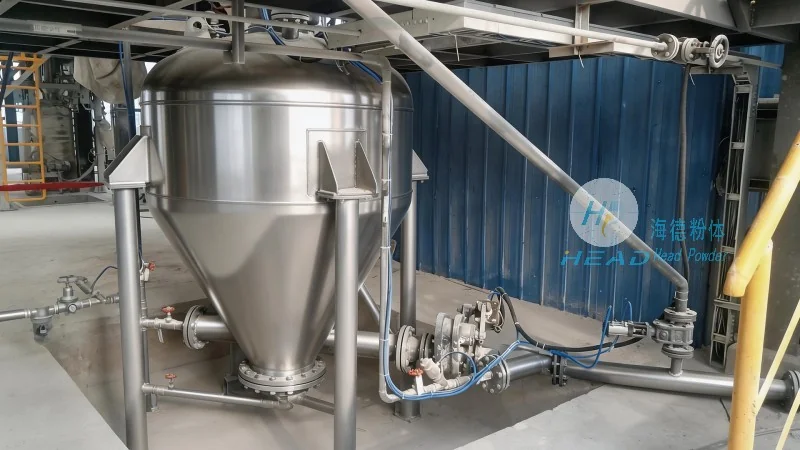
A typical polyolefin pneumatic conveying system comprises several essential components that work in tandem to achieve effective material transport. These components include the material feed hopper, the conveying line (usually a pipeline), the air supply system (such as a blower or compressor), and the control system. The material feed hopper is responsible for storing and feeding the polyolefin material into the conveying line. The conveying line, often made of stainless steel or other corrosion-resistant materials, ensures the material is transported under controlled conditions. The air supply system generates the necessary air pressure or vacuum to move the material through the pipeline. The control system monitors and regulates the flow of material and air, ensuring smooth and efficient operation.
The Operation Process of Polyolefin Pneumatic Conveying
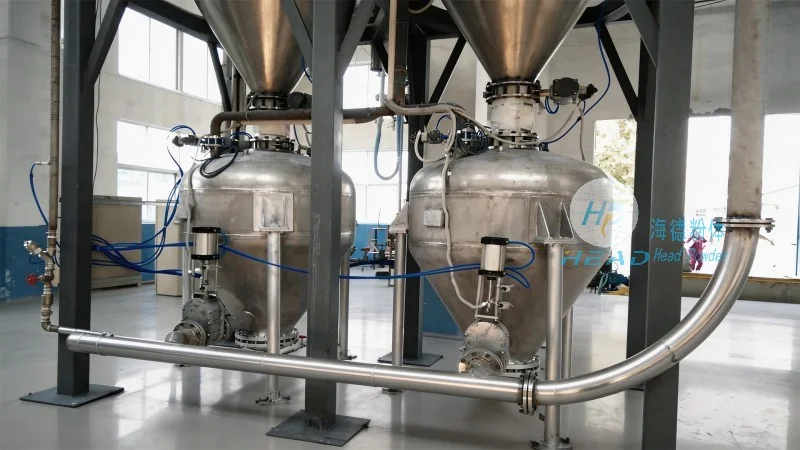
The operation process of polyolefin pneumatic conveying can be broken down into several key steps. Initially, the polyolefin material is loaded into the feed hopper. The material is then fed into the conveying line through a feeder, which can be a rotary valve or a star feeder, depending on the system design. Simultaneously, the air supply system starts to generate the required airflow. The air, moving through the conveying line, creates a pressure differential that lifts and transports the polyolefin particles. As the material travels through the pipeline, it may encounter various components such as bends, elbows, or expansion chambers, which are designed to maintain the material's flow and prevent blockages. The conveying line leads to the discharge point, where the polyolefin material is deposited into the receiving container or processing equipment. The entire process is controlled by the system's control panel, which adjusts the air pressure and material feed rate to optimize performance and prevent issues like clogging or material degradation.
Working Principle of Polyolefin Pneumatic Conveying
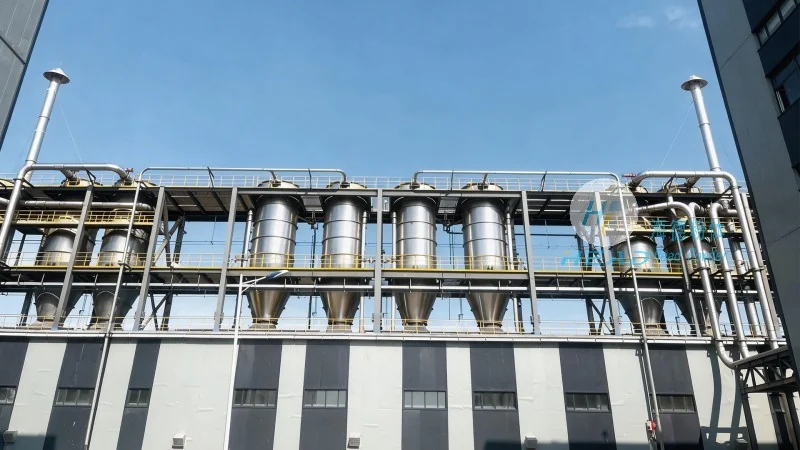
The working principle of polyolefin pneumatic conveying is based on the fundamental concept of fluidization and suspension. When air is introduced into the conveying line at a sufficient velocity, it creates a fluidized state where the polyolefin particles are suspended in the air stream. This suspension allows the material to be transported as a dense phase or a dilute phase, depending on the system design and operating conditions. In dense phase conveying, the material is transported in a high concentration of particles, often with a lower air velocity, which reduces the risk of material degradation and clogging. In dilute phase conveying, the material is transported in a lower concentration, with higher air velocity, which is suitable for longer distances or when the material is less abrasive. The key to efficient conveying lies in maintaining the correct air-to-material ratio and velocity, which ensures that the particles remain suspended and move smoothly through the pipeline without settling or causing blockages.
Advantages of Polyolefin Pneumatic Conveying
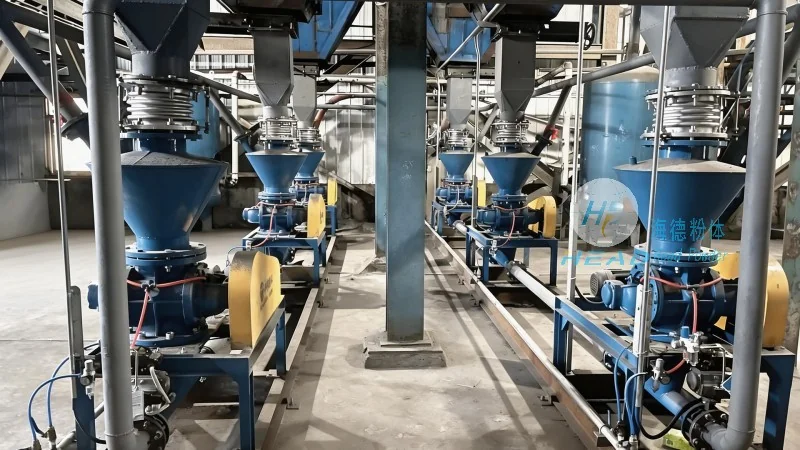
Polyolefin pneumatic conveying offers several advantages over traditional material handling methods. One of the primary benefits is the ability to transport materials in a closed system, which helps maintain product quality by preventing contamination from dust, moisture, or other environmental factors. This is particularly important for polyolefin materials, which are sensitive to moisture and can degrade if exposed to air or moisture. Additionally, pneumatic conveying systems are flexible and can be easily integrated into existing industrial setups, allowing for the transport of materials over long distances or through complex layouts. The system also provides high efficiency in terms of material transport speed and capacity, reducing downtime and increasing overall productivity. Furthermore, the closed system design minimizes the risk of dust emissions, making it a more environmentally friendly option compared to open conveying methods.
Applications in Industrial Settings
Polyolefin pneumatic conveying systems are widely used in various industrial applications where the handling of polyolefin powders or granules is required. These applications include plastic manufacturing, where polyolefin resins are transported from storage to processing equipment. In packaging industries, the system is used to move polyolefin materials from production lines to packaging machines. Additionally, in chemical and petrochemical industries, the technology is employed to transport polyolefin additives or raw materials. The versatility of polyolefin pneumatic conveying makes it suitable for a wide range of industries, from food processing to pharmaceuticals, where material handling needs to be efficient, reliable, and safe.




