HeadPowder, a prominent enterprise based in Shandong, China, specializes in engineering solutions for sodium hydrosulfite handling. This article explores the operational mechanics and technical principles behind pneumatic conveying systems, a critical technology for efficiently transporting this reactive chemical.
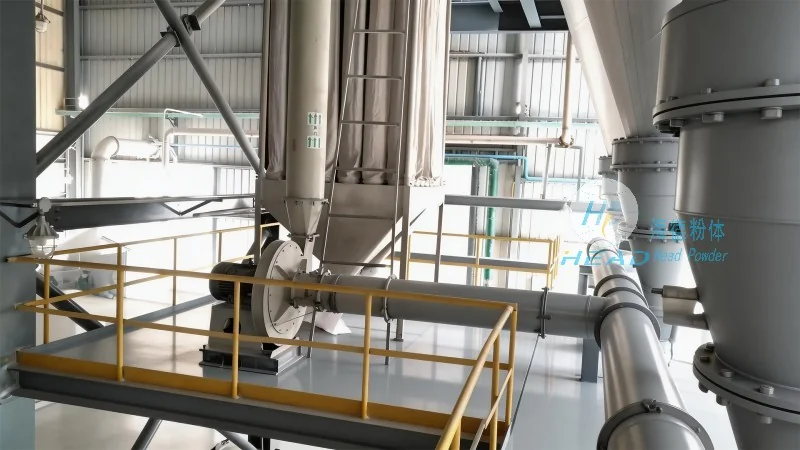
System Architecture and Core Components
The pneumatic conveying system for sodium hydrosulfite is composed of several interdependent components that ensure reliable material transport. These include a storage hopper to hold the bulk material, a rotary feeder or valve to regulate the feed rate, a high-pressure fan or blower to generate the air stream, a conveying pipeline network, and a receiving silo or vessel for the discharged product. Each component is designed to work in harmony, with the feeder controlling the material flow and the fan providing the necessary air pressure to entrain the powder particles.
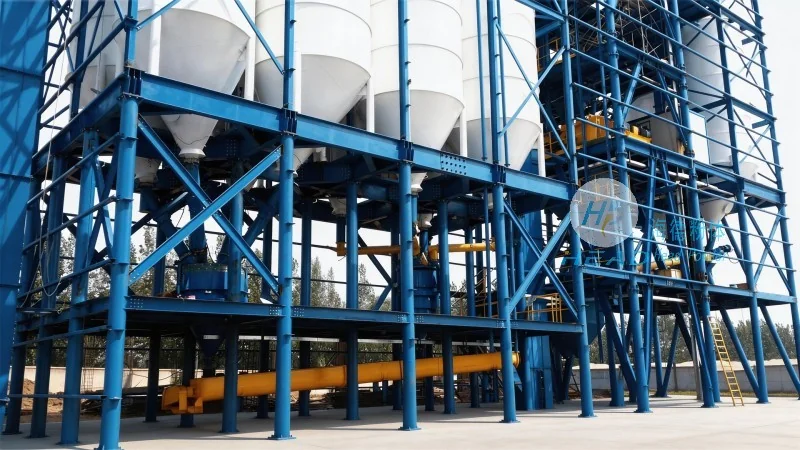
Working Principle: How Pneumatic Conveying Transports Sodium Hydrosulfite
The core principle of pneumatic conveying is the use of compressed air to move solid materials through a pipeline. For sodium hydrosulfite, a fine, hygroscopic powder, the system operates under positive pressure, where the fan forces air into the pipeline, creating a high-velocity stream that pulls the material along. The process begins when the material is discharged from the hopper into the feeder, which then meters it into the conveying line. The air stream entrains the powder, forming a dense phase flow that travels to the receiver. At the receiver, a cyclone or filter separates the air from the material, allowing the air to be recirculated or vented, while the sodium hydrosulfite is collected for further processing.
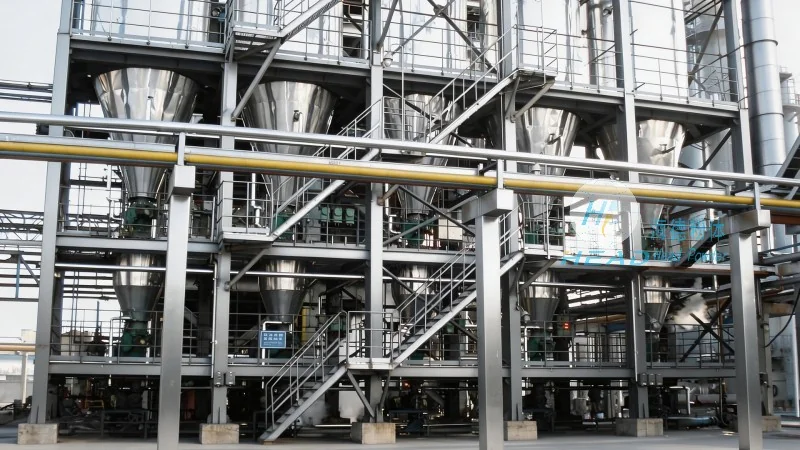
Step-by-Step Operational Workflow
The operation of a sodium hydrosulfite pneumatic conveying system follows a structured sequence to ensure efficiency and safety. First, the system is initiated by activating the fan, which establishes the air flow. Next, the feeder is adjusted to the desired feed rate, controlling the amount of material entering the pipeline. As the material is conveyed, the pressure and flow rates are continuously monitored to maintain optimal conditions. The receiving vessel is positioned to collect the material, and the system continues until the required quantity is transferred. Finally, the system is shut down by first stopping the feeder and then the fan, allowing the pipeline to be depressurized and the material to settle.
Advantages and Practical Applications
Pneumatic conveying systems offer significant advantages over traditional mechanical methods for handling sodium hydrosulfite. These include reduced material degradation due to minimal mechanical contact, enhanced safety by eliminating manual handling of powders, and increased flexibility in system layout. The technology is widely applied in chemical manufacturing, pharmaceutical production, and food processing industries, where precise control over the handling of hygroscopic and reactive powders is essential. HeadPowder's expertise in designing and implementing such systems ensures that clients receive customized solutions that meet their operational requirements and regulatory standards.
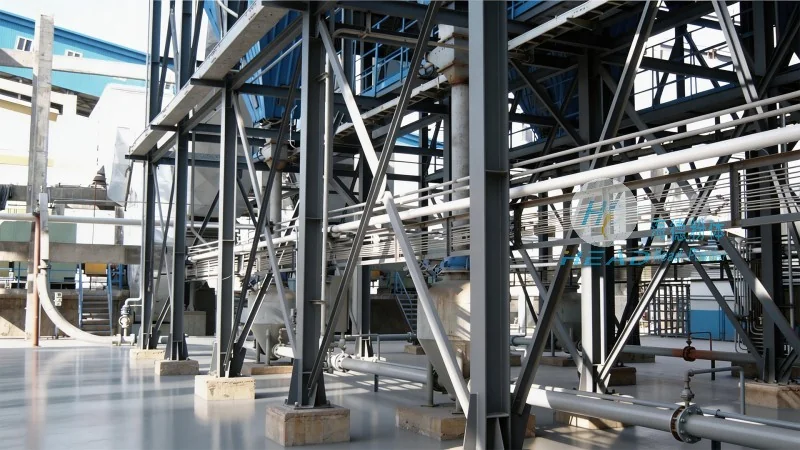
Maintenance and Operational Best Practices
Regular maintenance and adherence to best practices are crucial for maximizing the lifespan and performance of a sodium hydrosulfite pneumatic conveying system. This includes routine inspections of the fan and blower for wear or performance issues, checking the conveying pipeline for blockages or corrosion, and cleaning the feeder and hopper to prevent material buildup. Monitoring air pressure and flow rates during operation helps identify potential problems early. Proper operator training on system operation and safety protocols is also vital to prevent accidents and ensure compliance with industry regulations. By following these practices, HeadPowder's clients can maintain consistent material handling efficiency and minimize downtime.




