For the efficient handling and transportation of corn flour, pneumatic conveying systems have become a critical component in modern processing facilities. These systems utilize air to move bulk materials like corn flour from one location to another, offering advantages such as reduced contamination, improved safety, and enhanced operational flexibility. This article provides a detailed overview of the operation process and working principle of a corn flour pneumatic conveying system, highlighting key components, operational steps, and the benefits of this technology.
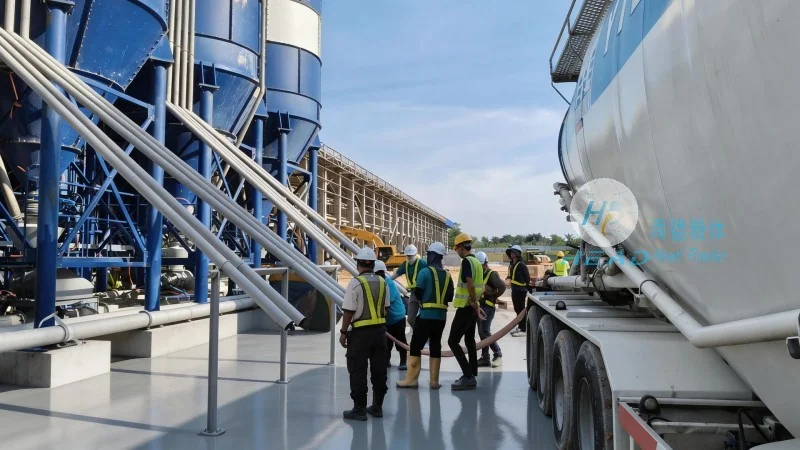
Introduction to Corn Flour Pneumatic Conveying Systems
Corn flour, a fine powder derived from corn, is widely used in food processing, animal feed production, and industrial applications. The handling of this material requires specialized equipment to prevent caking, agglomeration, and contamination. Pneumatic conveying systems are designed to address these challenges by using air as the conveying medium. These systems are particularly suitable for corn flour due to its low bulk density and tendency to form dust clouds, which can be effectively managed through controlled air flow.
Key Components of the Pneumatic Conveying System
The corn flour pneumatic conveying system typically consists of several essential components that work in tandem to achieve efficient material transport. These components include a hopper for material storage, a feeder to control the flow rate, a conveying line (usually a pipe), a blower or air compressor to generate the air pressure, and a receiver for the discharged material. Each component plays a crucial role in the overall operation, ensuring that the corn flour is conveyed safely and efficiently.
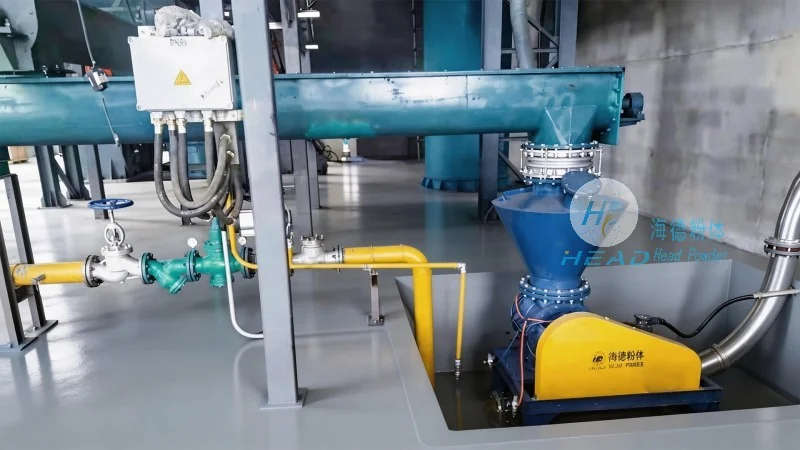
Working Principle of the System
The operation of the corn flour pneumatic conveying system is based on the principle of air flow and pressure differentials. The process begins with the material being fed from the hopper into the conveying line. Simultaneously, the blower generates a high-pressure air stream that travels through the pipe. As the air and corn flour mixture moves through the conveying line, the air pressure and velocity are carefully controlled to maintain a stable flow. The material is suspended in the air stream and transported to the receiver, where the air is separated from the corn flour and either recirculated or vented. The receiver collects the corn flour, which can then be discharged for further processing or packaging.
Operation Process Step-by-Step
The operation of the corn flour pneumatic conveying system follows a systematic sequence of steps to ensure consistent and reliable performance. The process begins with the loading of corn flour into the hopper. The feeder then regulates the flow rate, ensuring a steady supply of material into the conveying line. The blower starts and generates the required air pressure, initiating the conveying process. As the corn flour is drawn into the air stream, it is transported through the pipe to the receiver. The air and corn flour mixture reaches the receiver, where the air is separated from the material. The corn flour is collected in the receiver, and the air is either recirculated back to the blower or vented to the atmosphere. The system continues to operate until the hopper is emptied or the desired material quantity has been conveyed.
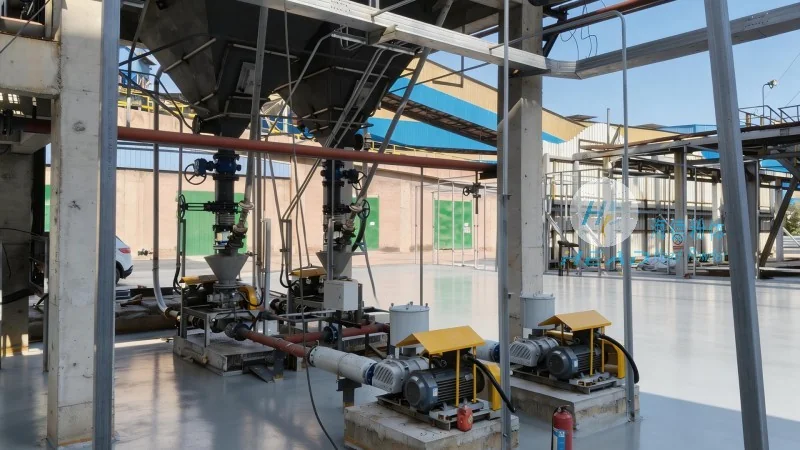
Advantages of Corn Flour Pneumatic Conveying Systems
Implementing a pneumatic conveying system for corn flour offers several advantages over traditional methods like belt conveyors or bucket elevators. These systems provide a closed environment, reducing the risk of dust exposure and contamination. The enclosed design also minimizes the risk of material spillage and environmental impact. Additionally, pneumatic conveying systems are more flexible in terms of layout, allowing for vertical, horizontal, or inclined transport without the need for complex machinery. The system's ability to handle fine powders like corn flour without caking or agglomeration is another key benefit, ensuring consistent material quality and process efficiency.
Applications in Corn Flour Processing
Corn flour pneumatic conveying systems are widely used in various stages of corn flour processing. In the milling and grinding operations, these systems are used to transport ground corn to storage silos or processing units. During the blending and mixing stages, pneumatic conveyors help in transferring different ingredients to the mixing equipment. In the packaging and distribution phase, the system can transport finished corn flour products to packaging lines or storage areas. The versatility of the system makes it suitable for both small-scale and large-scale corn flour production facilities, ensuring efficient material handling throughout the entire production process.
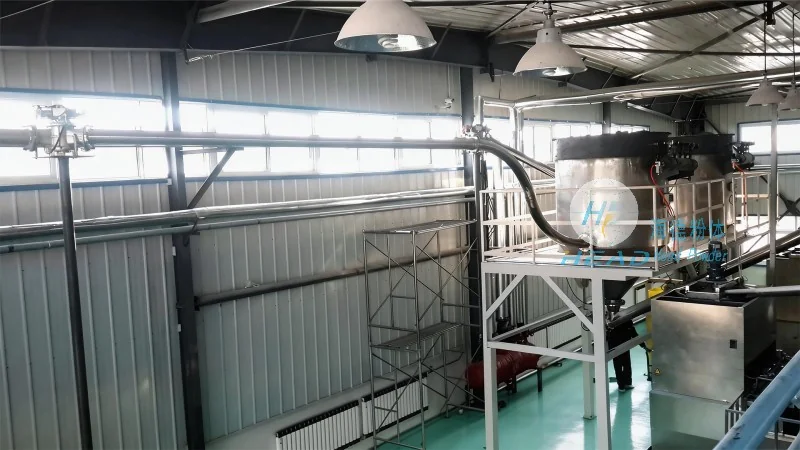
Maintenance and Operational Considerations
To ensure the long-term reliability and efficiency of the corn flour pneumatic conveying system, regular maintenance and proper operational considerations are essential. The system components, such as the hopper, feeder, and conveying line, should be inspected regularly for wear and tear. The blower and air compressor should be checked for proper air pressure and flow rates. The air filters and separators should be cleaned or replaced as needed to maintain air quality and prevent material buildup. Additionally, the system should be operated within the recommended flow rates and pressure ranges to avoid damage to components or inefficient material transport. Proper training of operators on the system's operation and maintenance is also crucial for optimal performance.
Conclusion
Corn flour pneumatic conveying systems are an essential technology for the efficient and safe handling of corn flour in modern processing facilities. By understanding the operation process and working principle of these systems, manufacturers can optimize their material handling processes, improve product quality, and enhance overall operational efficiency. With the right design and maintenance, a pneumatic conveying system can provide reliable and cost-effective solutions for corn flour transportation, supporting the growth and success of the corn flour industry.




