Chocolate pneumatic conveying systems are critical components in the modern chocolate manufacturing industry, enabling efficient and hygienic transport of chocolate powders, liquids, and other related materials from one processing stage to another. These systems are designed to maintain product quality, ensure operational safety, and enhance overall production efficiency. In this article, we will explore the operation process and working principles of such systems, highlighting their key features and the role they play in chocolate production.
Key Components of a Chocolate Pneumatic Conveying System
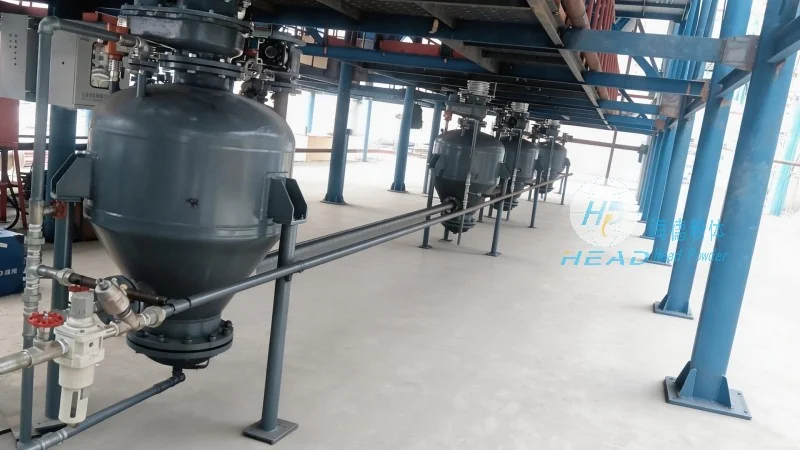
Before delving into the operation process, it is essential to understand the primary components that make up a chocolate pneumatic conveying system. These components work in tandem to facilitate the movement of chocolate materials through the system. The main components typically include a hopper or feed hopper, a rotary valve or feeder, a conveying line (usually made of stainless steel to ensure hygiene), a dust collector or filter system, and a receiver or discharge hopper. Each component plays a crucial role in the overall functionality of the system.
The Working Principle of Pneumatic Conveying
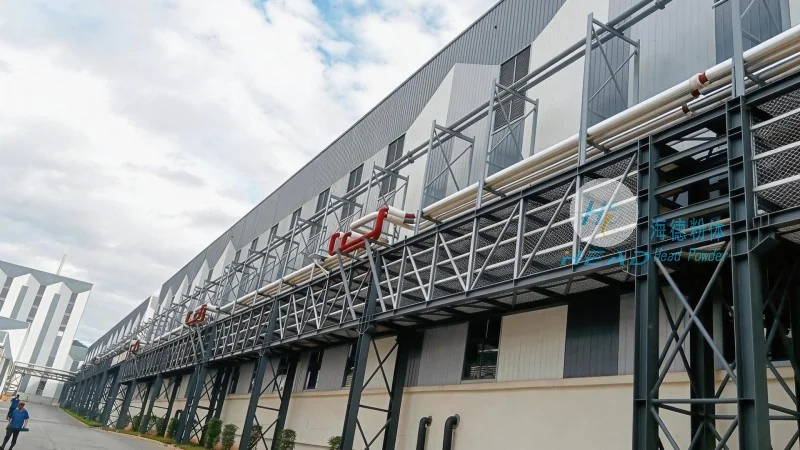
The fundamental principle behind pneumatic conveying is the use of compressed air to create a flow that transports the solid or liquid material through the conveying line. There are two main types of pneumatic conveying systems: dilute-phase and dense-phase. Dilute-phase systems use higher air velocities to move materials in a relatively low concentration, while dense-phase systems use lower air velocities and higher material concentrations to achieve more controlled and gentle transport. For chocolate applications, both types are used depending on the specific requirements of the product and the processing stage.
Operation Process of Chocolate Pneumatic Conveying
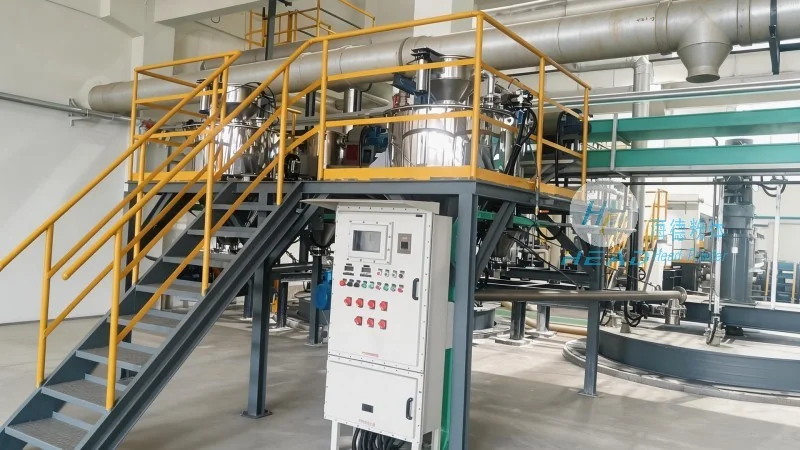
The operation process of a chocolate pneumatic conveying system typically involves several sequential steps. First, the chocolate material is fed into the hopper from the production line or storage area. The rotary valve or feeder then controls the flow rate of the material into the conveying line. Simultaneously, compressed air is introduced into the system, creating a pressure differential that drives the material forward. As the material travels through the conveying line, it is mixed with the air stream, and the combination moves towards the receiver or discharge point. The system may include a filter or dust collector to remove any fine particles or contaminants from the air, ensuring that the chocolate remains clean and free from impurities. Finally, the material is discharged into the next processing stage, such as a mixer, blender, or storage tank.
Ensuring Efficiency and Product Quality in Chocolate Conveying
Efficiency and product quality are paramount in chocolate production, and the design and operation of pneumatic conveying systems directly impact these aspects. Proper maintenance of the system, including regular cleaning of the conveying line and filter, is essential to prevent clogging and ensure consistent performance. Additionally, the use of stainless steel components helps maintain hygiene standards, which is critical for chocolate products that are consumed directly by consumers. The system's ability to handle different types of chocolate materials, such as cocoa powder, milk powder, or liquid chocolate, with minimal degradation or mixing issues is also a key factor in its effectiveness.
HeadPowder Engineering Co., Ltd.: Experts in Chocolate Pneumatic Conveying Solutions
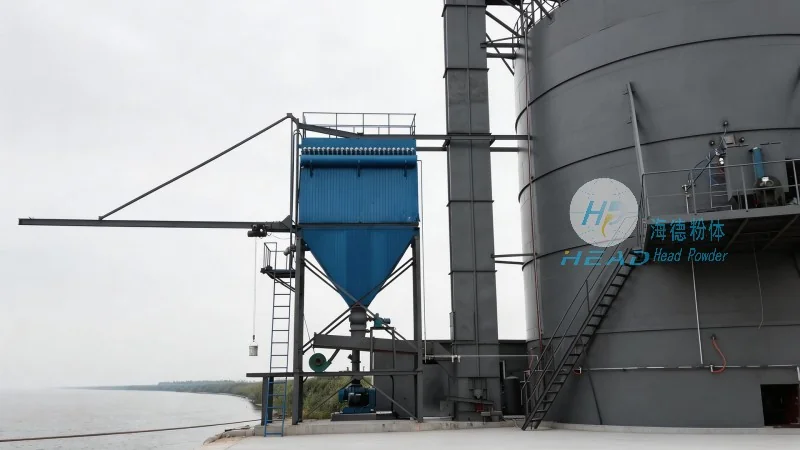
Shandong HeadPowder Engineering Co., Ltd., commonly known as HeadPowder, is a leading manufacturer and supplier of high-quality chocolate pneumatic conveying systems. With a strong presence in China, particularly in Shandong, the company specializes in designing, manufacturing, and installing customized conveying solutions tailored to the specific needs of chocolate manufacturers. HeadPowder's systems are engineered to meet the stringent requirements of the chocolate industry, ensuring reliable performance, high efficiency, and adherence to hygiene standards. The company's commitment to innovation and customer satisfaction has made it a trusted partner for many chocolate production facilities worldwide.




