Carbon fiber, a high-performance material prized for its exceptional strength-to-weight ratio and superior thermal and electrical properties, is integral to modern industrial applications ranging from aerospace and automotive to sports equipment. The efficient and reliable transportation of carbon fiber powders or fibers is crucial for maintaining product quality and optimizing production processes. Pneumatic conveying systems, which utilize air or other gases to move bulk materials, provide a flexible and effective solution for carbon fiber handling. This article delves into the operation process and working principle of carbon fiber pneumatic conveying equipment, detailing the key components, operational steps, and the underlying mechanisms that enable smooth material transport.
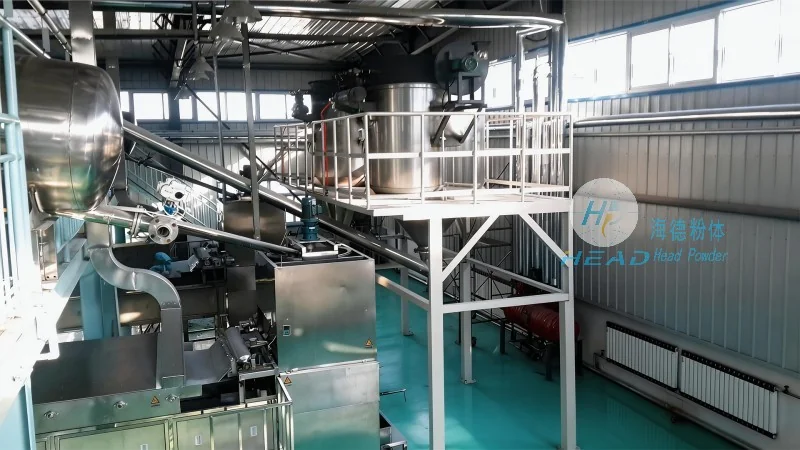
Key Components of the Pneumatic Conveying System
The carbon fiber pneumatic conveying system comprises several essential components that collaborate to achieve efficient material transport. These components include a material hopper or feeder for storing carbon fiber, a rotary valve or feeder for controlled material discharge, a conveying pipeline to transport the material, a blower or air compressor to generate the necessary air pressure, a filter system to capture and return fine particles, and a discharge hopper or silo at the receiving end. Each component is designed to ensure the system operates reliably and maintains the integrity of the carbon fiber material, preventing damage or contamination during transport.
Operation Process of the Carbon Fiber Pneumatic Conveying Equipment
The operation process of the carbon fiber pneumatic conveying equipment follows a sequential workflow to move material from the source to the destination. The process begins with loading carbon fiber into the material hopper. The rotary valve or feeder then regulates the flow rate of the material, ensuring a consistent and controlled discharge into the conveying pipeline. Simultaneously, the blower or air compressor generates a high-pressure air stream that travels through the pipeline, creating a flow capable of lifting and transporting the carbon fiber particles. As the air and material mixture moves through the pipeline, it passes through various sections, including bends and straight runs, which are engineered to minimize pressure loss and maintain the material's suspension. The filter system at the receiving end captures any fine particles that may have escaped, ensuring the delivered material is clean and free from contamination. Finally, the material is discharged into the receiving hopper or silo, completing the transport cycle and making the system ready for the next batch.
Working Principle of the Pneumatic Conveying System
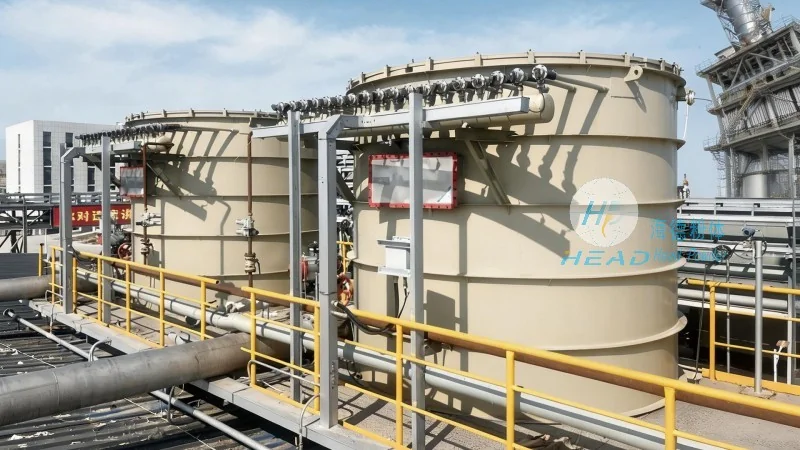
The working principle of the carbon fiber pneumatic conveying system is based on the fundamental concept of fluidization and suspension of solid particles within a gas stream. When air is introduced into the conveying pipeline at a sufficient velocity, it creates a flow that can lift and transport the carbon fiber particles. The key to efficient operation lies in maintaining the material in a suspended state throughout the pipeline. This is achieved by balancing the air velocity with the particle size, density, and flow rate. If the air velocity is too low, the particles may settle and cause blockages; conversely, if it is too high, excessive energy consumption and potential damage to the particles may occur. The system's design, including the blower's capacity, pipeline diameter, and layout, is optimized to achieve the optimal air velocity for the specific carbon fiber material being transported, ensuring reliable and energy-efficient operation.
Advantages of Carbon Fiber Pneumatic Conveying Equipment
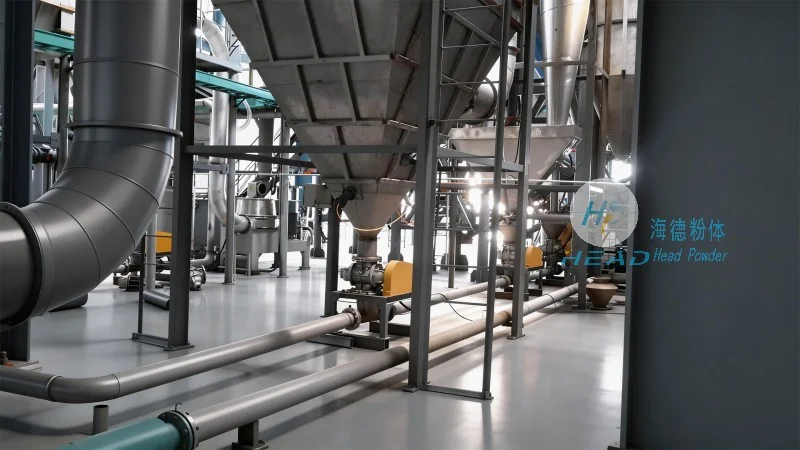
Carbon fiber pneumatic conveying equipment offers several advantages over traditional mechanical conveying methods. One of the primary benefits is the ability to handle fine or abrasive materials without causing wear or damage, which is particularly important for carbon fiber due to its high strength and potential for generating dust. The system is also highly flexible, allowing for changes in material flow rates and destinations without significant modifications. Additionally, pneumatic conveying can be integrated with other processing equipment, such as mixing or drying units, to create a seamless production line. The enclosed nature of the system helps maintain a clean and controlled environment, reducing the risk of contamination and improving product quality, which is critical for high-value carbon fiber applications.
Applications in Industrial Settings
Carbon fiber pneumatic conveying equipment is widely utilized in various industrial applications where the handling of carbon fiber powders or fibers is essential. These applications include the manufacturing of composite materials, where carbon fiber is combined with resins to produce lightweight, high-strength components for aerospace, automotive, and sports equipment industries. The equipment is also employed in research and development laboratories for material testing and prototyping, enabling precise and controlled material handling. In addition, it plays a role in the recycling and reprocessing of carbon fiber waste, facilitating the recovery and reuse of valuable material, thereby contributing to sustainability in industrial operations.




