Desulfurization fly ash, as a byproduct from flue gas desulfurization processes in thermal power plants, requires efficient and reliable handling systems to ensure safe and economical disposal or reuse. Pneumatic conveying equipment, particularly those designed for handling such fine and potentially abrasive materials, plays a crucial role in modern industrial applications. This article provides an in-depth look at the operating process and working principle of a pneumatic conveying system specifically engineered for desulfurization fly ash, manufactured by Shandong HeadPowder Engineering Co., Ltd., a leading provider in the field.
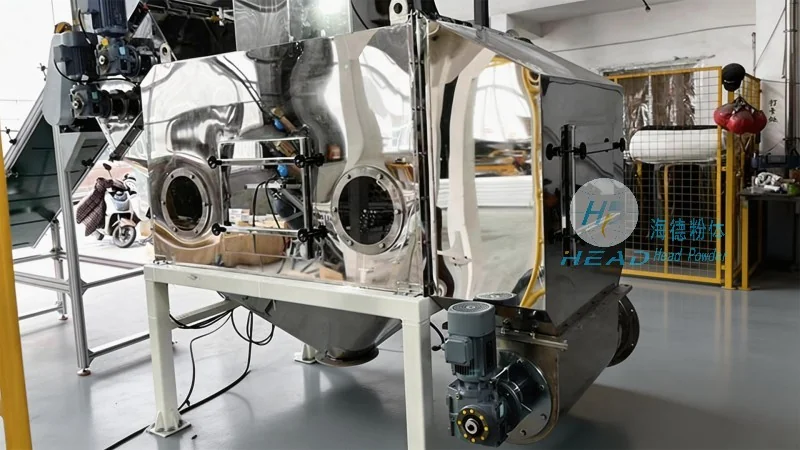
Overview of Desulfurization Fly Ash and Its Handling Challenges
Desulfurization fly ash, also known as FGD (Flue Gas Desulfurization) fly ash, is a fine particulate material generated during the removal of sulfur dioxide from flue gases. It typically consists of calcium sulfate (gypsum) and other minerals, with particle sizes ranging from sub-micron to several microns. The handling of this material presents unique challenges due to its high moisture content, abrasive nature, and tendency to agglomerate. Traditional handling methods such as belt conveyors or screw conveyors may suffer from material buildup, corrosion, and increased maintenance costs. Pneumatic conveying systems offer a solution by utilizing air to transport the material in a closed pipeline system, minimizing contact with equipment and reducing the risk of contamination.
Key Components of the Pneumatic Conveying System
The pneumatic conveying system for desulfurization fly ash typically consists of several key components, each playing a vital role in the overall operation. These components include a material feeder, a conveying pipeline, a pressure vessel or receiver, a blower or air compressor, and a control system. The material feeder is responsible for feeding the fly ash into the pipeline at a controlled rate, ensuring a consistent flow. The conveying pipeline, often made of corrosion-resistant materials such as stainless steel or special alloys, transports the material and air mixture. The pressure vessel or receiver collects the conveyed material and may include a dust collection system to prevent air leakage and maintain a safe operating environment. The blower or air compressor provides the necessary air pressure to move the material through the pipeline, with the pressure level determined by the material's properties and the system's design. The control system monitors and regulates the flow of material and air, ensuring optimal performance and preventing system overload.
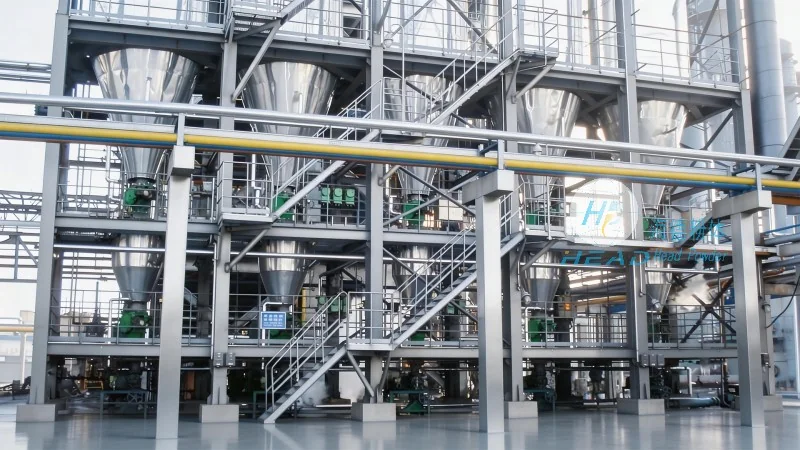
Operating Process of the Pneumatic Conveying System
The operation of the pneumatic conveying system for desulfurization fly ash involves a series of steps that ensure efficient and continuous material transport. The process begins with the material feeder, which receives the fly ash from the desulfurization unit and feeds it into the conveying pipeline. Simultaneously, the blower or air compressor generates a flow of air, which is introduced into the pipeline at the inlet of the feeder. The air and material mixture is then carried through the pipeline by the air flow, with the material suspended in the air stream. As the mixture travels through the pipeline, it may encounter various components such as bends, valves, or expansion joints, which are designed to maintain the material's suspension and prevent blockages. The pressure vessel or receiver at the end of the pipeline collects the conveyed material, where it is deposited into a storage or processing unit. The air, now carrying only fine particles or dust, is typically filtered and discharged to the atmosphere or recirculated, depending on the system's design and environmental regulations.
Working Principle of the Pneumatic Conveying System
The working principle of the pneumatic conveying system relies on the fundamental concept of fluid dynamics and particle suspension. When air is introduced into the conveying pipeline at a sufficient velocity, it creates a flow that can lift and transport the fine particles of desulfurization fly ash. The key to successful operation is maintaining the material in a suspended state throughout the pipeline. This is achieved by ensuring that the air velocity is above the minimum fluidization velocity of the material, which is the velocity at which the particles are just lifted from the pipeline surface. The system's design, including the size and shape of the pipeline, the type of blower, and the control of air pressure and flow rate, all contribute to maintaining this suspended state. The pressure vessel or receiver at the end of the pipeline helps to separate the material from the air, allowing the material to be collected while the air is filtered and discharged. The entire process is controlled by the system's control unit, which monitors parameters such as pressure, flow rate, and material level, and adjusts the operation as needed to ensure optimal performance and safety.
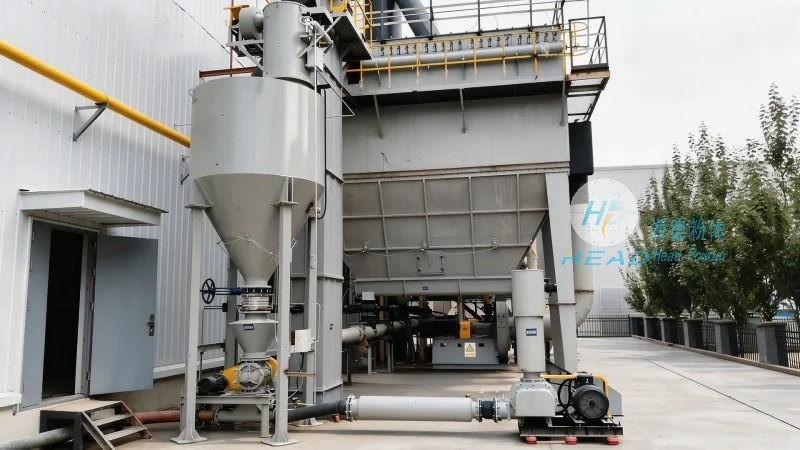
Advantages of Using Pneumatic Conveying for Desulfurization Fly Ash
Compared to traditional handling methods, pneumatic conveying systems offer several advantages when dealing with desulfurization fly ash. First, they provide a closed system, which minimizes the risk of dust emissions and environmental contamination. This is particularly important for handling fine particulate materials that can be hazardous if released into the atmosphere. Second, the system is highly efficient in terms of material transport, as it can move large quantities of fly ash over long distances with minimal energy consumption. Third, the equipment is relatively simple and requires less maintenance compared to other systems, as there are fewer moving parts and less contact with the abrasive material. Fourth, the system can be easily integrated with other processes, such as storage or processing units, to form a complete material handling solution. Finally, the use of pneumatic conveying reduces the risk of material buildup and corrosion, as the material is not in direct contact with the conveying equipment for extended periods.
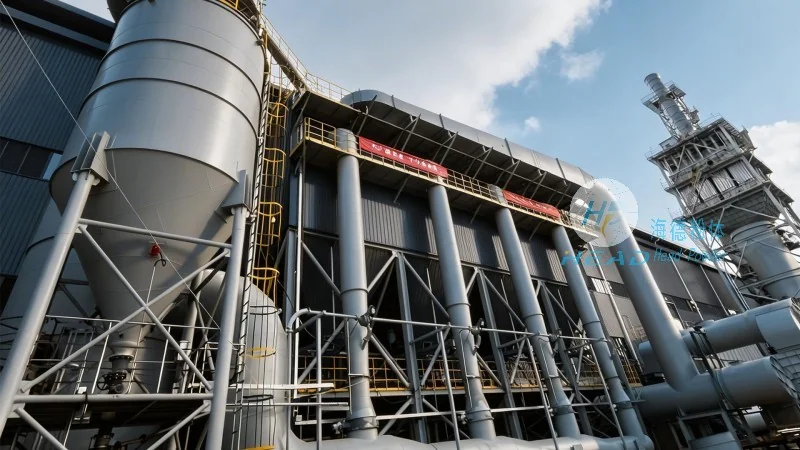
Application Examples and Industry Impact
The pneumatic conveying system for desulfurization fly ash is widely used in thermal power plants and other industrial facilities that generate significant amounts of fly ash. The system is typically integrated into the overall desulfurization process, where the fly ash is collected from the desulfurization unit and transported to a storage or disposal site. In some cases, the fly ash may be processed further for reuse, such as in the production of gypsum products or cement. The use of this system has a significant impact on the efficiency and sustainability of the desulfurization process, as it ensures that the fly ash is handled safely and economically. By reducing the need for manual handling and minimizing the risk of contamination, the system contributes to a more environmentally friendly and cost-effective operation.
Conclusion and Company Profile
In conclusion, the pneumatic conveying system for desulfurization fly ash is a critical component in modern industrial applications, providing an efficient and reliable method for handling fine particulate materials. The operating process and working principle of this system, as described above, highlight the importance of each component and the control mechanisms required for optimal performance. The system's advantages, including its closed design, efficiency, and low maintenance, make it a preferred choice for handling desulfurization fly ash. Shandong HeadPowder Engineering Co., Ltd., with its expertise in engineering and manufacturing such systems, offers high-quality solutions tailored to the specific needs of industrial facilities. The company's commitment to quality and innovation ensures that its products meet the highest standards of performance and safety, contributing to the sustainable operation of thermal power plants and other industrial facilities.




