Shandong HeadPowder Engineering Co., Ltd., commonly known as HeadPowder, specializes in the design and manufacturing of advanced material handling equipment. Among their product lineup is the graphene pneumatic conveyor, a sophisticated system engineered to efficiently transport fine powders and granular materials, including graphene itself. This article delves into the operation process and working principle of such a conveyor, highlighting its technical features and practical applications.
Key Components of a Graphene Pneumatic Conveyor
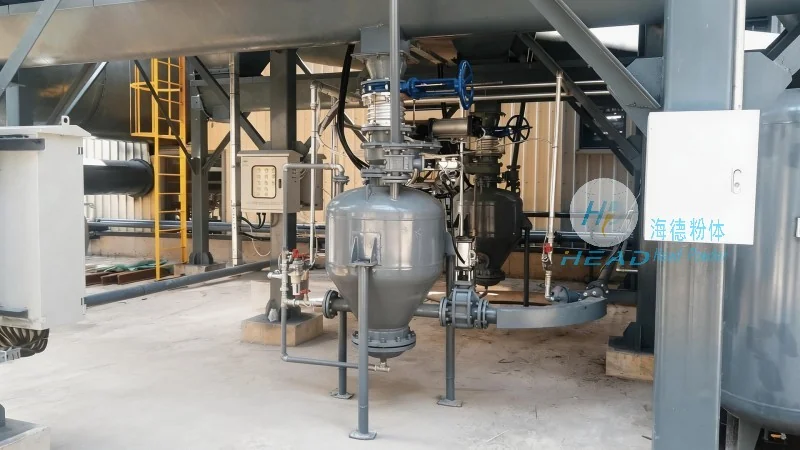
The graphene pneumatic conveyor consists of several critical components that work in tandem to ensure reliable material transport. The primary elements include a hopper for material storage, a conveying pipeline, a blower or air compressor to generate the air flow, a control system for regulating pressure and flow, and a discharge outlet for delivering the material to its destination. Each component plays a vital role in maintaining the efficiency and safety of the operation.
The Working Principle of Pneumatic Conveying
Pneumatic conveying operates on the principle of using compressed air to move materials through a pipeline. In the case of a graphene pneumatic conveyor, the process begins with the material being fed into the hopper. The blower then generates a high-pressure air stream that draws the material into the pipeline. As the air flows through the conveying line, it carries the fine particles of graphene along with it. The control system ensures that the air pressure and flow rate are optimized to prevent material degradation or blockages, which is particularly important for delicate materials like graphene.
Operation Process: Step-by-Step
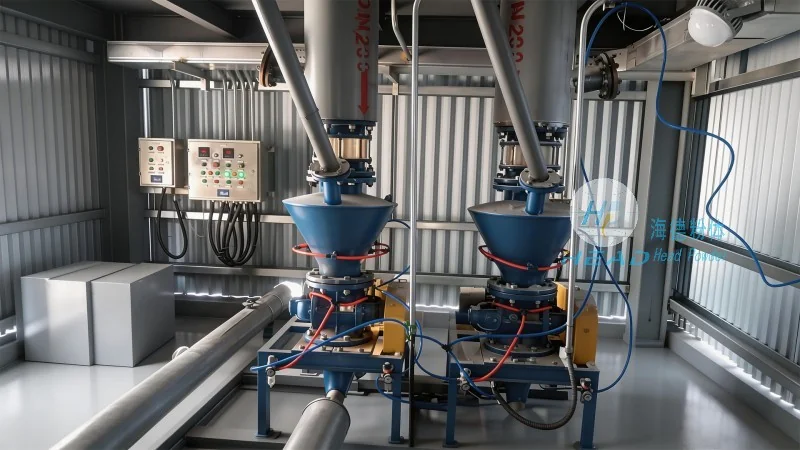
The operation of a graphene pneumatic conveyor follows a systematic sequence to ensure smooth and efficient material transfer. First, the material is loaded into the hopper. The system then activates the blower, which starts generating the necessary air pressure. The material is then released from the hopper into the pipeline, where it is entrained by the air flow and transported to the discharge point. The control system continuously monitors the pressure and flow, adjusting parameters as needed to maintain optimal performance. Once the material reaches the discharge outlet, it is released into the receiving container or processing equipment. This process is typically automated, allowing for consistent and repeatable operation.
Advantages of Using a Graphene Pneumatic Conveyor
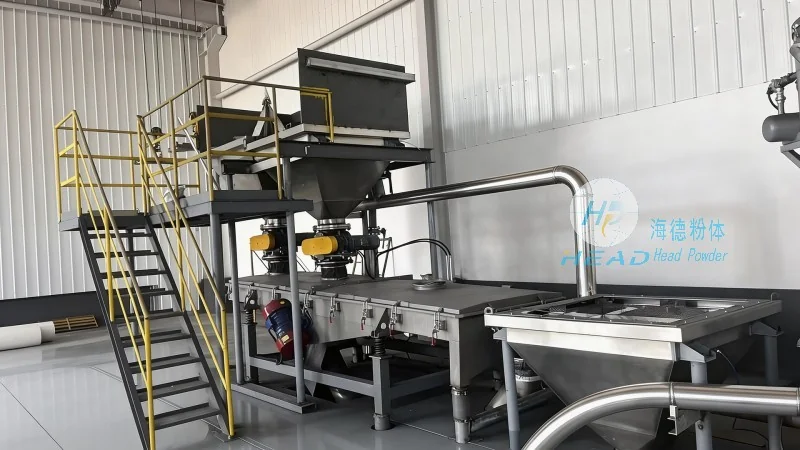
Implementing a graphene pneumatic conveyor offers several advantages over traditional material handling methods. Firstly, it provides a dust-free and enclosed transport system, which is crucial for handling fine powders like graphene to prevent contamination and environmental issues. Secondly, the system is highly flexible, allowing for vertical, horizontal, or inclined transport of materials. This versatility makes it suitable for various industrial applications. Additionally, the pneumatic conveyor reduces the risk of material degradation due to minimal contact with equipment surfaces and avoids the need for manual handling, enhancing workplace safety and operational efficiency.
Applications in Industrial Settings
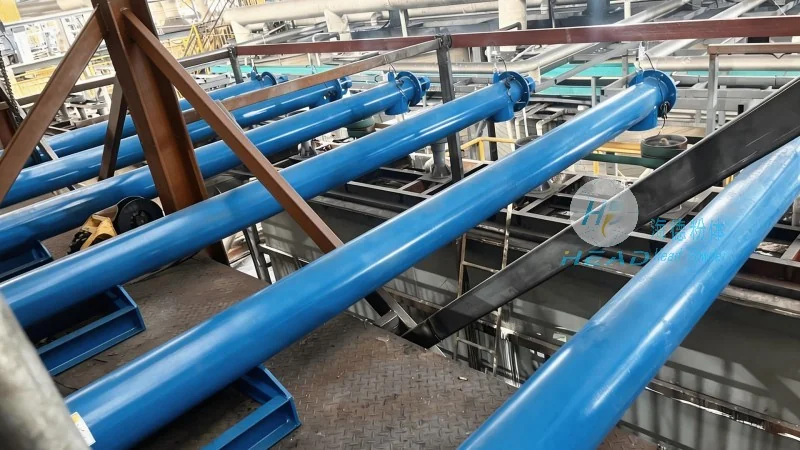
Graphene pneumatic conveyors are widely used in industries that require the handling of high-value or sensitive materials. For instance, in the chemical and pharmaceutical sectors, they are employed to transport graphene-based powders for research and production. In the manufacturing of electronic components, the conveyor ensures the precise delivery of graphene to production lines. The system's ability to handle fine powders without clogging or loss makes it ideal for applications where material purity is paramount. Furthermore, its compact design allows for integration into existing production facilities, minimizing the need for extensive modifications.
Maintenance and Operational Considerations
To ensure the longevity and efficiency of a graphene pneumatic conveyor, regular maintenance is essential. The blower and air compressor should be inspected regularly to check for wear and tear, and filters should be replaced as needed to maintain air quality. The conveying pipeline should be kept clean to prevent blockages, and any components that come into direct contact with the material should be made of materials that are compatible with graphene and other fine powders. Operational considerations also include monitoring the system's performance metrics, such as pressure and flow rates, to detect any deviations that may indicate issues with the material or equipment. By adhering to proper maintenance practices, users can maximize the lifespan of the conveyor and maintain consistent performance.




