Sponge sand, a lightweight and porous material widely utilized in construction and industrial sectors, demands efficient and reliable transportation solutions. The sponge sand pneumatic conveying machine, engineered by Shandong HeadPowder Engineering Co., Ltd. based in Shandong, China, provides a sophisticated system for handling this material with precision and minimal loss. This equipment is designed to integrate seamlessly into diverse production lines, ensuring consistent performance and operational efficiency.
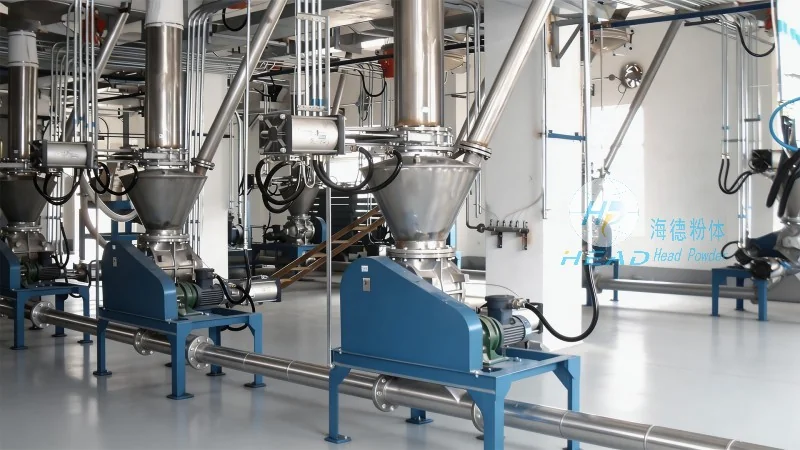
Company Overview: HeadPowder
As a leading manufacturer of pneumatic conveying systems, Shandong HeadPowder Engineering Co., Ltd. specializes in delivering customized solutions tailored to clients' unique requirements. With a strong commitment to innovation and quality, HeadPowder has established itself as a trusted partner for industries needing advanced material handling technologies. The company’s headquarters is situated in Shandong, China, where its research and development teams continuously enhance the performance and durability of their products.
System Components and Design
The sponge sand pneumatic conveying machine comprises several key components that collaborate to achieve effective material transport. These include the hopper for material storage, the air compressor or blower to generate necessary airflow, the conveying pipeline, and the discharge unit. The design is optimized to handle sponge sand's specific characteristics—such as low density and settling tendency—ensuring smooth and continuous operation. Advanced materials are employed in equipment construction to withstand abrasive material properties and maintain long-term reliability.
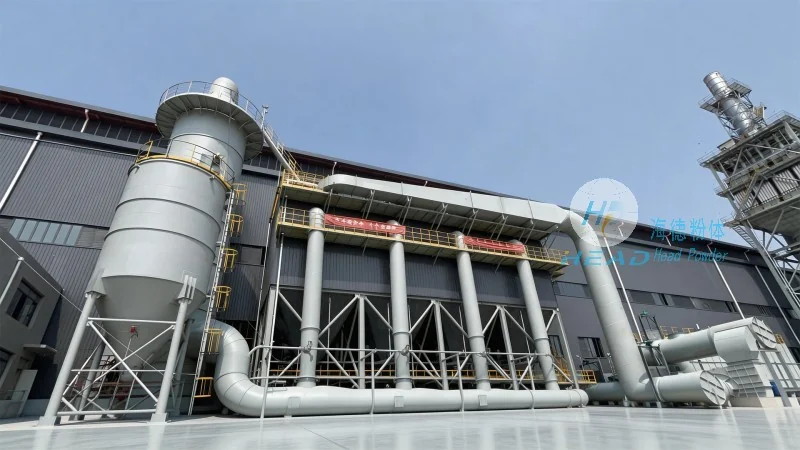
Operation Process: Step-by-Step Guide
The operation of the sponge sand pneumatic conveying machine follows a systematic workflow starting with material loading into the hopper. Once loaded, the air compressor activates, creating high-pressure airflow that draws sponge sand particles into the conveying pipeline. The material is then transported through the pipeline to the discharge point, where it is released into the target container or processing unit. The system features sensors and control mechanisms to monitor flow rate and pressure, enabling real-time adjustments for optimal performance. This automated process minimizes human intervention, reducing error risks and boosting overall productivity.
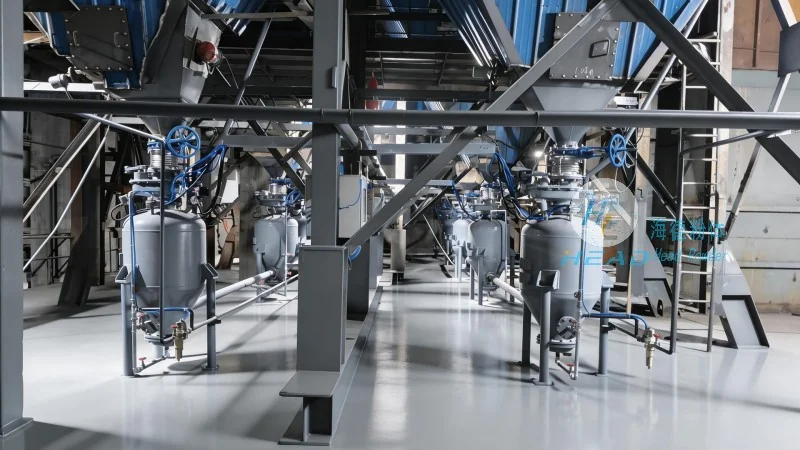
Working Principle: How It Works
The working principle of the sponge sand pneumatic conveying machine is rooted in fluid dynamics and particle transport. The air compressor generates constant airflow, creating negative pressure in the pipeline to draw material in. As particles move through the pipeline, they are suspended in the air stream, preventing clogs and ensuring uniform distribution. Air velocity and particle size are carefully controlled to maintain optimal conveying speed, critical for avoiding material degradation and equipment wear. The discharge mechanism at the pipeline's end ensures smooth material release without blockages or spills.
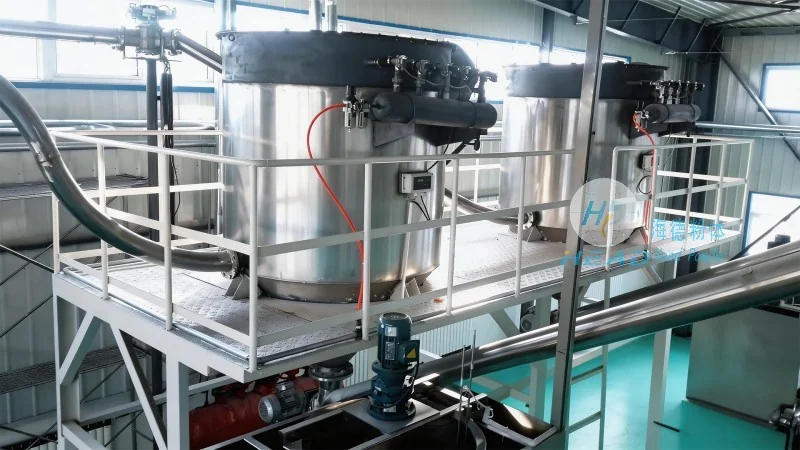
Advantages and Applications
Employing a sponge sand pneumatic conveying machine offers advantages over traditional handling methods, including reduced labor costs, enhanced safety from manual handling, and improved product quality due to minimal contamination exposure. The equipment is particularly suited for industries like construction, where sponge sand is used in concrete mixtures and other building materials. Its compact design and low maintenance requirements make it ideal for facilities with limited space or budget constraints. HeadPowder’s machines adapt to various production scales—from small operations to large industrial plants—providing flexibility and scalability for diverse applications.
Maintenance and Troubleshooting
To ensure long-term performance, regular maintenance is essential for the sponge sand pneumatic conveying machine. This involves checking the air compressor for proper operation, inspecting the conveying pipeline for blockages or leaks, and cleaning the hopper and discharge unit to prevent material buildup. HeadPowder offers comprehensive maintenance guidelines and technical support to help clients maintain equipment in optimal condition. Common issues like reduced airflow or material clogging can often be resolved by adjusting system settings or performing routine cleaning. By following manufacturer recommendations, users extend equipment lifespan and minimize downtime.




