Pharmaceutical powder handling equipment plays a crucial role in the pharmaceutical manufacturing industry, ensuring the safe, efficient, and precise transport of powders from one stage of production to another. Understanding the operation process and working principles of these systems is essential for optimizing production lines and maintaining compliance with stringent regulatory standards.
Overview of Pharmaceutical Powder Handling Equipment
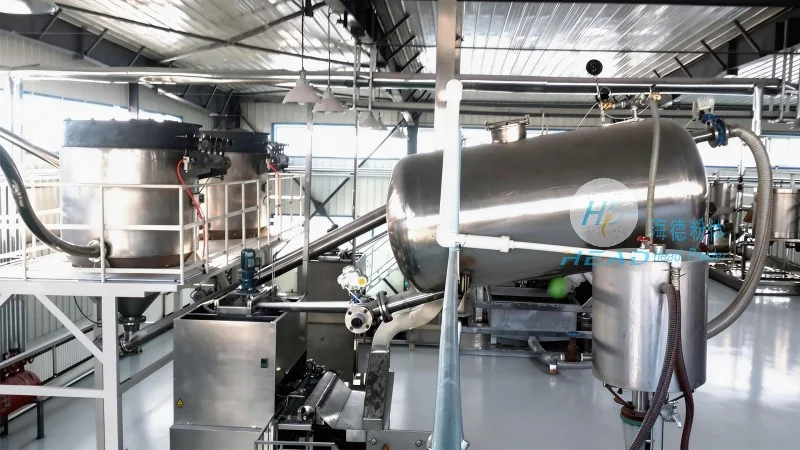
Pharmaceutical powder handling equipment encompasses a range of machinery designed to handle, transport, and process powders used in drug manufacturing. These systems are engineered to meet the unique challenges of pharmaceutical powders, which often include sensitivity to moisture, contamination, and variations in flow properties. The equipment is typically integrated into larger production lines, working in tandem with other processing units to ensure seamless material flow.
Key Components and Their Functions
The operation of pharmaceutical powder handling equipment relies on several key components, each playing a vital role in the overall process. These components include feeders, conveyors, classifiers, and storage vessels. Feeders are responsible for controlling the flow rate of powders from storage bins to processing equipment, ensuring consistent and accurate dosing. Conveyors, such as pneumatic or mechanical systems, transport powders through the production line, while classifiers separate powders based on particle size or density. Storage vessels, often equipped with aeration systems, maintain the quality of powders by controlling moisture and preventing caking.
Operation Process: Step-by-Step
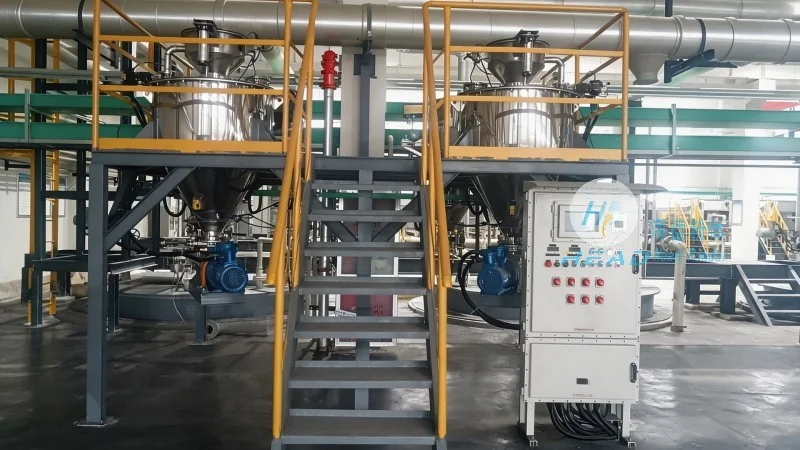
The operation process of pharmaceutical powder handling equipment typically follows a systematic sequence to ensure efficient material handling. The process begins with the storage of raw powders in bulk containers or silos. From there, the powders are transferred to a feeder, which regulates the flow rate based on the required production rate. The feeder then delivers the powder to a conveyor system, which transports it to the next processing stage. During transport, the equipment may incorporate features like vibration or air flow to prevent blockages and maintain uniform flow. At the processing stage, the powder may undergo further treatment, such as mixing or blending, before being packaged or stored.
Working Principles: Mechanical and Pneumatic Systems
Pharmaceutical powder handling equipment operates based on either mechanical or pneumatic principles, depending on the specific application and material properties. Mechanical systems utilize rotating components, such as screws or paddles, to move powders through the system. These systems are often preferred for materials that are sensitive to air exposure, as they minimize the risk of contamination. Pneumatic systems, on the other hand, use compressed air to transport powders in a closed pipeline. This method is ideal for handling powders that are difficult to convey mechanically, such as fine or cohesive powders. Both systems are designed to maintain the integrity of the powder, preventing degradation or agglomeration during transport.
Regulatory Compliance and Quality Assurance
Given the critical nature of pharmaceutical products, the operation of powder handling equipment must adhere to strict regulatory guidelines. The equipment is designed with features that facilitate cleaning and validation, ensuring that it meets cGMP (current Good Manufacturing Practice) standards. Regular maintenance and calibration are essential to maintain the performance and reliability of the system. Additionally, the equipment may incorporate sensors and monitoring systems to track powder flow rates, temperature, and humidity, providing real-time data for quality control.
Applications in Pharmaceutical Manufacturing
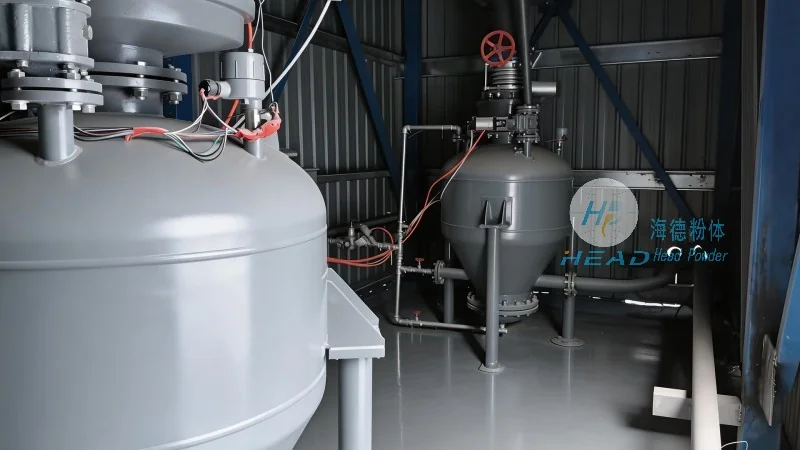
Pharmaceutical powder handling equipment is widely used in various stages of drug manufacturing, including raw material handling, intermediate processing, and final packaging. In raw material handling, the equipment ensures that active pharmaceutical ingredients (APIs) and excipients are transported safely and efficiently from storage to production lines. During intermediate processing, the equipment facilitates the mixing and blending of powders to achieve the desired formulation. In final packaging, the equipment ensures that the finished product is accurately filled into containers, maintaining product consistency and quality.
Conclusion
Understanding the operation process and working principles of pharmaceutical powder handling equipment is vital for optimizing pharmaceutical manufacturing processes. The equipment, manufactured by companies like Shandong HeadPowder Engineering Co., Ltd., is designed to meet the stringent requirements of the pharmaceutical industry, ensuring the safe and efficient handling of powders. By integrating advanced technology and adhering to regulatory standards, these systems contribute to the production of high-quality pharmaceutical products.




