Slag, a byproduct of industrial processes such as steelmaking and cement production, requires efficient and reliable transportation methods to ensure smooth operational workflows. Pneumatic conveying systems offer a versatile solution for handling slag, leveraging air pressure to transport materials through pipelines. This article outlines key design considerations for implementing effective slag pneumatic conveying systems, with a focus on practical applications and engineering principles.
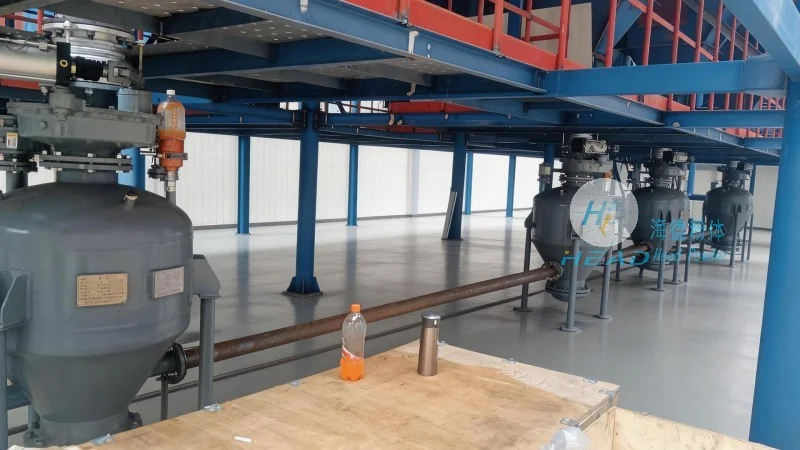
Understanding the Core Components of a Slag Pneumatic Conveying System
A slag pneumatic conveying system typically consists of several critical components that work in tandem to ensure optimal performance. These include the material feed hopper, which stores and feeds the slag into the system; the conveying pipeline, which transports the material; the air supply system, which provides the necessary pressure and volume of air; and the discharge unit, which releases the slag at the destination. Each component must be carefully selected and sized to match the specific characteristics of the slag, such as particle size, density, and moisture content.
Material Characteristics and Their Impact on System Design
The physical properties of slag significantly influence the design of a pneumatic conveying system. For instance, the particle size distribution affects the air velocity required to maintain flow, as larger particles may require higher velocities to prevent blockages. Similarly, the density and moisture content of the slag impact the system's capacity and energy consumption. High moisture content can lead to caking or corrosion, necessitating the use of specialized materials or additional drying steps. Shandong HeadPowder Engineering Co., Ltd., a leading provider of engineering solutions, emphasizes the importance of analyzing these material characteristics early in the design phase to avoid operational issues and ensure long-term system reliability.
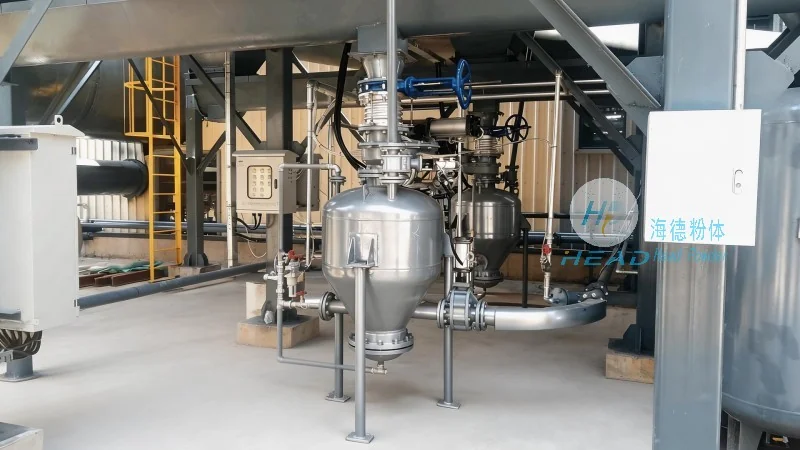
System Sizing and Flow Rate Calculations
Accurate system sizing is crucial for the efficient operation of a slag pneumatic conveying system. Engineers must calculate the required air flow rate and pressure based on the material's properties and the system's layout. This involves determining the conveying velocity, which is the speed at which the air and slag mixture travels through the pipeline. The velocity must be high enough to prevent particle deposition but low enough to avoid excessive energy consumption. The pipeline diameter is also critical, as it affects the pressure drop and overall system efficiency. Proper calculations help in selecting the appropriate blower or compressor, ensuring that the system operates within its optimal performance range.
Material Feed and Discharge Mechanisms
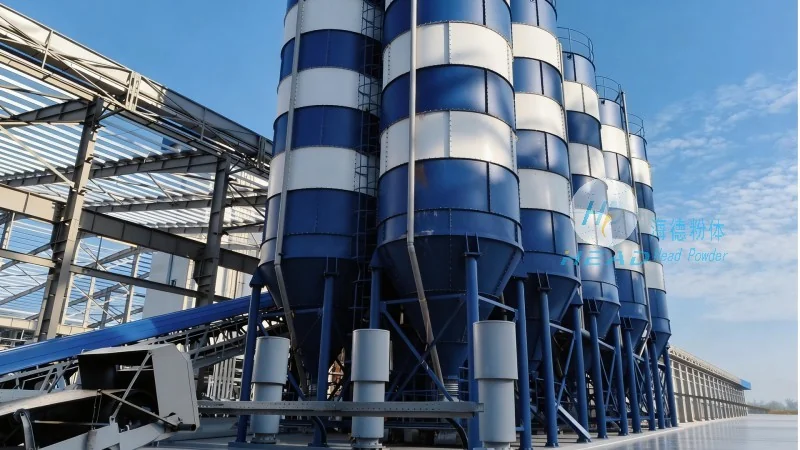
The design of the material feed and discharge mechanisms is essential for maintaining consistent flow and preventing system blockages. The feed hopper should be equipped with a feeder, such as a rotary valve or a screw feeder, to provide a controlled and continuous flow of slag into the system. The feeder must be capable of handling the slag's characteristics, including its abrasiveness and potential for clogging. At the discharge end, the system may include a receiver or a silo to collect the slag, with a discharge valve to control the release of material. These mechanisms must be designed to handle the abrasive nature of slag, as they are subject to wear and tear over time. Shandong HeadPowder Engineering Co., Ltd. specializes in customizing feed and discharge systems to meet the specific needs of each project, ensuring durability and reliability.
Control Systems and Automation
Modern slag pneumatic conveying systems often incorporate advanced control systems to enhance operational efficiency and safety. These systems may include sensors to monitor pressure, flow rate, and temperature, as well as automation controls to adjust the air supply and feeder speed in real-time. The use of automation helps in maintaining consistent material flow, reducing downtime, and preventing overloading of the system. Additionally, control systems can provide alerts for potential issues, such as blockages or pressure drops, allowing for timely maintenance and troubleshooting. Shandong HeadPowder Engineering Co., Ltd. integrates advanced control technologies into their designs, ensuring that clients benefit from improved operational performance and reduced maintenance costs.
Material Handling Safety and Environmental Considerations
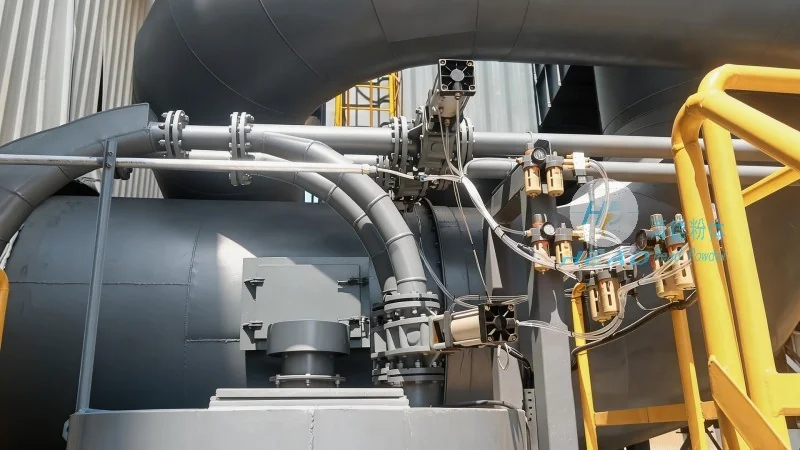
Handling slag involves several safety and environmental considerations that must be addressed in the system design. Slag can be abrasive and potentially hazardous, requiring the use of wear-resistant materials for components such as pipelines, hoppers, and valves. Proper ventilation and dust control measures are essential to prevent inhalation of fine particles and ensure a safe working environment. The system should also be designed to minimize dust emissions, complying with environmental regulations. Shandong HeadPowder Engineering Co., Ltd. adheres to strict safety and environmental standards, incorporating features such as dust collection systems and protective enclosures to protect both personnel and the environment.
Case Studies and Real-World Applications
Several industrial applications demonstrate the effectiveness of slag pneumatic conveying systems designed by Shandong HeadPowder Engineering Co., Ltd. For example, in a steel plant, the company implemented a system to transport hot slag from the furnace to a storage facility, achieving a significant reduction in manual handling and labor costs. In another project, a cement plant utilized a pneumatic conveying system to transport slag for use as a raw material in cement production, improving the plant's overall efficiency and reducing waste. These case studies highlight the adaptability and reliability of the systems, as well as the expertise of the engineering team at Shandong HeadPowder Engineering Co., Ltd.




