At Shandong HeadPowder Engineering Co., Ltd., we specialize in the design, manufacturing, and implementation of advanced powder conveying systems tailored for industries dealing with soap granules. Our expertise lies in creating efficient, reliable, and cost-effective solutions that ensure the seamless transportation of soap granules from production to processing or packaging stages. The soap granule powder conveying line is a critical component in modern manufacturing, enabling businesses to maintain high production efficiency while adhering to strict quality standards.
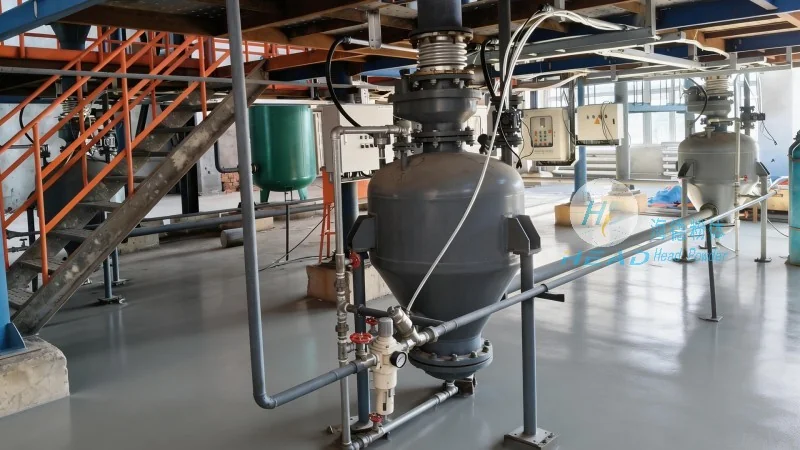
Key Components and Structure of the Conveying Line
The soap granule powder conveying line typically consists of several interconnected components that work in harmony to transport the material. The primary elements include a hopper for material storage, a feeder to regulate the flow of soap granules, a conveyor system (such as a screw conveyor or pneumatic conveyor) for actual transportation, and a control unit to monitor and adjust the operation. Each component is meticulously designed to handle the unique properties of soap granules, including their size, density, and moisture content, ensuring minimal product degradation and loss during transit.
Operation Process: Step-by-Step Breakdown
The operation of the soap granule powder conveying line follows a systematic process that begins with material loading into the hopper. The feeder then controls the discharge rate of the soap granules, ensuring a consistent flow into the conveyor. The conveyor system transports the material to the desired destination, such as a silo, processing unit, or packaging line. Throughout this process, the control unit continuously monitors parameters like flow rate, pressure, and temperature to maintain optimal performance. This step-by-step approach minimizes downtime and maximizes throughput, making it an essential tool for manufacturers seeking to enhance their operational efficiency.
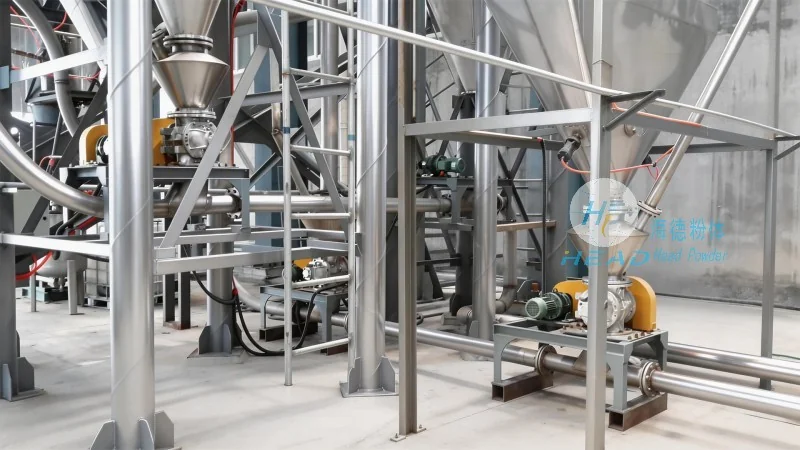
Working Principle: How It Transports Soap Granules Efficiently
The working principle of the soap granule powder conveying line is based on the principles of fluidization and mechanical transport. In a mechanical conveyor system, the soap granules are moved by the rotation of a screw or the movement of a belt, which creates a continuous flow. The pneumatic conveyor, on the other hand, uses air pressure to lift and transport the material through a pipeline. Both methods are effective, but the choice depends on the specific characteristics of the soap granules and the operational requirements of the facility. The system is designed to handle varying loads and maintain a stable flow, ensuring that the soap granules are transported without segregation or degradation.
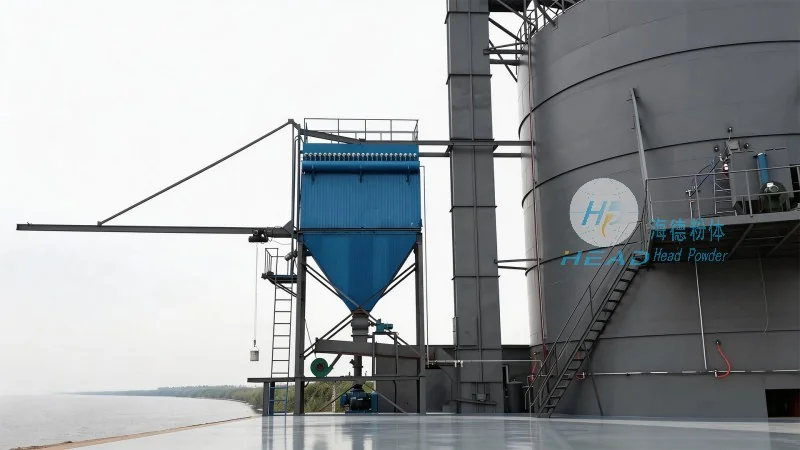
Advantages of Using a Soap Granule Powder Conveying Line
Implementing a soap granule powder conveying line offers numerous advantages for manufacturers. Firstly, it significantly reduces labor costs by automating the material handling process, eliminating the need for manual loading and unloading. Secondly, it minimizes product loss and contamination, as the enclosed system prevents dust and moisture from entering or exiting. Thirdly, the system enhances production efficiency by maintaining a consistent flow rate, reducing downtime, and improving overall throughput. Additionally, the modular design allows for easy integration with existing production lines, making it a flexible solution for various manufacturing needs.
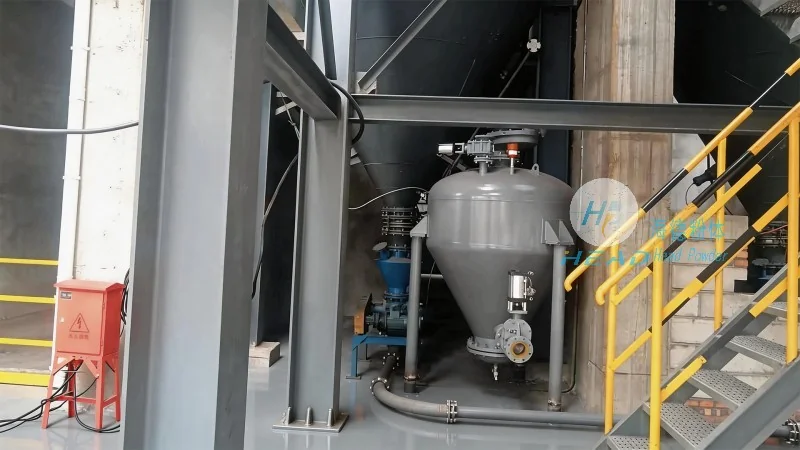
Customization and Application in Different Industries
Shandong HeadPowder Engineering Co., Ltd. understands that each manufacturing facility has unique requirements. Therefore, our soap granule powder conveying lines are customizable to meet specific needs. Whether it's for small-scale production or large-scale industrial applications, our solutions can be tailored to handle different quantities and types of soap granules. The conveying lines are widely used in industries such as soap manufacturing, chemical processing, and food processing, where the efficient handling of powdered materials is crucial. Our team of engineers works closely with clients to assess their operational needs and design a system that maximizes efficiency and minimizes operational costs.
Maintenance and Safety Considerations
Maintaining the soap granule powder conveying line is essential to ensure its longevity and optimal performance. Regular maintenance includes cleaning the hopper and conveyor to prevent buildup of soap granules, checking the feeder for proper operation, and inspecting the control unit for any malfunctions. Safety is a top priority in the design and operation of these systems. The enclosed design reduces the risk of dust explosions, and the control unit includes safety features such as emergency stop buttons and overload protection. Additionally, proper training for operators is crucial to ensure safe and efficient operation of the conveying line.




