HeadPowder, a leading provider in the field of powder handling technology, specializes in the design, manufacturing, and installation of efficient conveying systems for industrial applications. This article focuses on the operation process and working principle of a sintering dust ash powder conveying line, a critical component in modern sintering plants that ensures the safe and reliable transport of fine particulate materials.
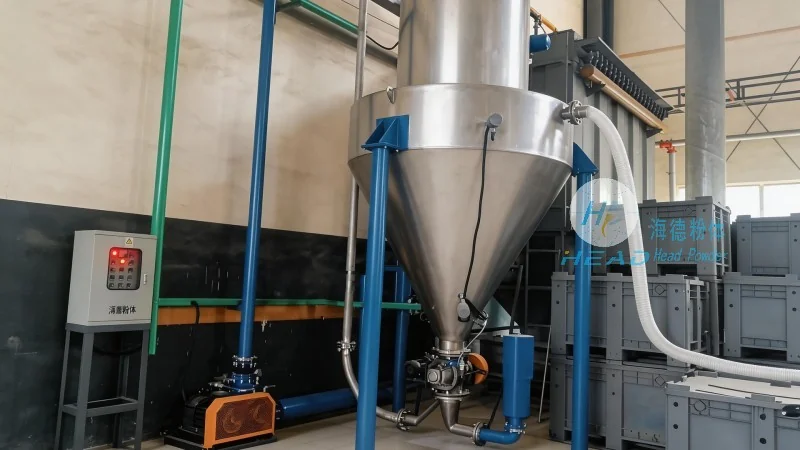
Overview of the Sintering Dust Ash Powder Conveying Line
The sintering dust ash powder conveying line is an essential system in sintering production facilities, responsible for transporting sintering dust and ash, which are byproducts of the sintering process. These materials are typically fine powders with varying particle sizes and moisture content, requiring specialized equipment to handle them effectively without causing blockages or contamination. The conveying line is designed to meet the specific demands of sintering operations, ensuring high efficiency, low maintenance, and compliance with environmental regulations.
Key Components and Their Functions
The sintering dust ash powder conveying line consists of several key components, each playing a crucial role in the overall operation. These components include:
1. Feeder: The feeder is the initial component that receives the sintering dust ash from the storage hopper or silo. It ensures a consistent and controlled flow of material into the conveying system, preventing surges or fluctuations that could affect the performance of downstream equipment. The feeder is typically equipped with adjustable speed controls to match the production rate and material characteristics.
2. Pneumatic Conveying System: The core of the conveying line is the pneumatic system, which uses compressed air to transport the powder through a network of pipes. This system is preferred for handling fine powders as it minimizes material degradation and provides a clean, dust-free operation. The pneumatic conveying system includes a blower or compressor that generates the necessary air pressure, a filter to remove any particulate matter from the air stream, and a receiver where the material is deposited.
3. Pipe Network: The conveying line utilizes a network of stainless steel or plastic pipes to transport the powder from the feeder to the destination point. The pipe system is designed with appropriate bends and elbows to accommodate the layout of the sintering plant, ensuring smooth material flow. The pipe diameter and material are selected based on the particle size distribution and flow characteristics of the sintering dust ash.
4. Control System: An automated control system monitors and regulates the operation of the conveying line. This system includes sensors to detect the level of material in the hopper, pressure sensors to monitor the air pressure in the system, and control valves to adjust the flow rate. The control system ensures that the conveying process operates efficiently and safely, with the ability to stop or adjust the flow in case of abnormalities.
Operation Process of the Conveying Line
The operation of the sintering dust ash powder conveying line follows a systematic process that ensures the continuous and reliable transport of material. The steps involved are as follows:
1. Material Loading: The sintering dust ash is loaded into the storage hopper from the sintering furnace or other production units. The hopper is equipped with a lid and a discharge valve to control the material flow into the feeder.
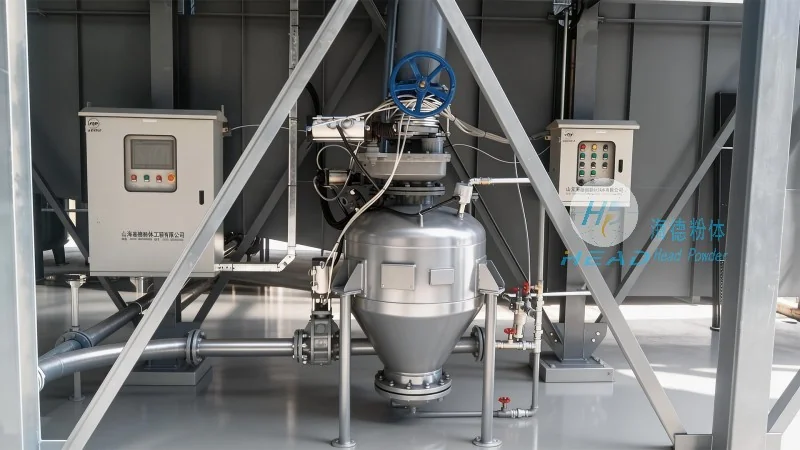
2. Feeder Operation: The feeder receives the material from the hopper and feeds it into the pneumatic conveying system at a controlled rate. The feeder's speed is adjusted based on the production requirements and the material's flow characteristics.
3. Pneumatic Conveying: The feeder material is mixed with compressed air and transported through the pipe network. The air pressure and flow rate are maintained at optimal levels to ensure the material moves smoothly without clogging or segregation.
4. Material Deposition: The material is deposited into the designated storage or processing unit at the end of the conveying line. The receiver is equipped with a discharge valve to control the material flow out of the system.
5. System Monitoring and Control: The control system continuously monitors the operation of the conveying line, including material levels, air pressure, and flow rates. Any deviations from the set parameters are detected and corrected automatically, ensuring the system operates within safe and efficient limits.
Working Principle of the Conveying Line
The working principle of the sintering dust ash powder conveying line is based on the principles of pneumatic conveying, which utilizes the kinetic energy of compressed air to move the powder particles. The key aspects of the working principle include:
1. Air-Particle Interaction: The compressed air creates a flow within the pipe, and the powder particles are entrained by the air stream. The velocity of the air is sufficient to overcome the gravitational and frictional forces acting on the particles, allowing them to be transported through the system.
2. Pressure Drop and Flow Rate: The pressure drop along the pipe network is a critical factor in the conveying process. The pressure drop is influenced by the pipe length, diameter, bends, and the characteristics of the powder (such as particle size, density, and moisture content). The control system adjusts the air pressure and flow rate to maintain an optimal pressure drop, ensuring efficient material transport.
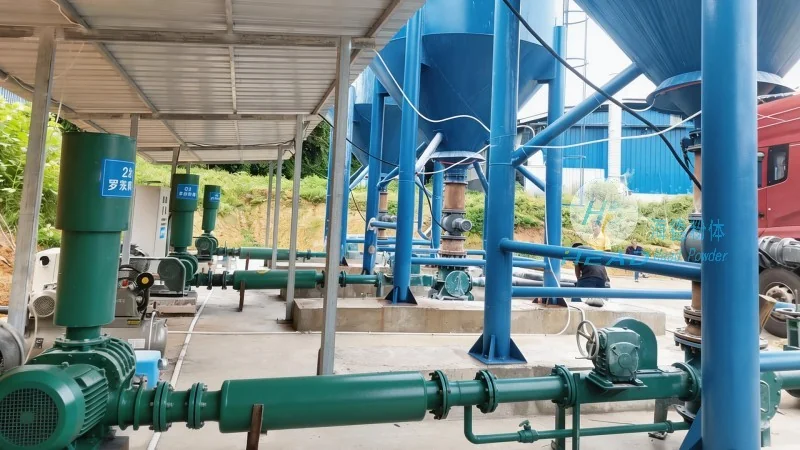
3. Segregation and Degradation Prevention: The pneumatic conveying system is designed to minimize material segregation and degradation. The air flow is maintained at a consistent velocity, preventing the larger particles from settling or the smaller particles from being carried away too quickly. This ensures that the material is transported in a uniform manner, preserving its quality and properties.
4. Environmental Considerations: The conveying line is equipped with filters and dust collection systems to prevent the release of fine particulate matter into the environment. The air stream is cleaned before being discharged, ensuring compliance with environmental regulations and maintaining a safe working environment for personnel.
Advantages of the Sintering Dust Ash Powder Conveying Line
The sintering dust ash powder conveying line offers several advantages that make it an ideal solution for industrial applications:
1. Efficiency and Reliability: The system provides a continuous and reliable transport of sintering dust ash, minimizing downtime and ensuring smooth production operations. The automated control system enhances the efficiency of the process by optimizing the flow rate and pressure.
2. Low Maintenance: The components of the conveying line are designed for low maintenance, with easy access for inspection and replacement of parts. The use of stainless steel or corrosion-resistant materials ensures the longevity of the system.
3. Environmental Compliance: The system is equipped with dust collection and filtration systems, ensuring that the operation is environmentally friendly and compliant with regulations. This reduces the risk of fines and improves the company's reputation.
4. Customization: The conveying line can be customized to meet the specific requirements of the sintering plant, including the layout, material characteristics, and production capacity. This flexibility allows the system to be tailored to the unique needs of each client.
Conclusion
The sintering dust ash powder conveying line is a critical component in modern sintering plants, ensuring the efficient and safe transport of fine particulate materials. HeadPowder, with its expertise in powder handling technology, provides high-quality conveying systems that meet the demanding requirements of industrial applications. By understanding the operation process and working principle of this system, sintering plants can optimize their operations, reduce costs, and improve overall productivity.




