The Carboxymethyl Cellulose (CMC) powder conveying line is a specialized system designed for the efficient handling and transportation of CMC powder, a key industrial material widely used in various sectors such as food, pharmaceuticals, and construction. This article provides an in-depth look at the operational process and underlying principles of such a system, highlighting the technical aspects and practical applications.
Key Components of the Conveying Line
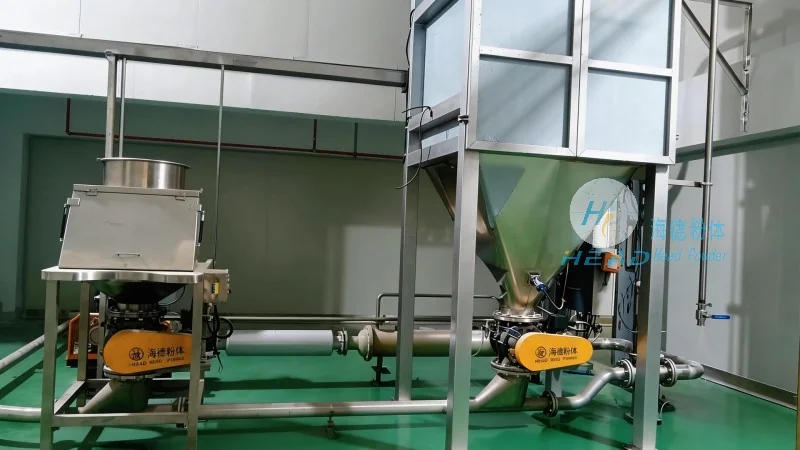
A typical CMC powder conveying line consists of several critical components that work in tandem to ensure smooth and reliable operation. These include a hopper for material storage, a feeder to control the flow rate, a conveyor system (such as a screw conveyor or pneumatic conveyor) for transporting the powder, and a control panel for monitoring and adjusting the system parameters. Each component plays a vital role in maintaining the integrity of the CMC powder and preventing issues like caking or degradation.
The Operational Process
The operation of a CMC powder conveying line begins with the loading of CMC powder into the hopper. The feeder then regulates the discharge rate, ensuring a consistent flow of powder into the conveyor. The conveyor transports the powder to the desired destination, such as a storage silo or processing unit. Throughout this process, the system continuously monitors parameters like pressure, flow rate, and temperature to maintain optimal performance. The control panel allows operators to adjust settings in real-time, adapting to changes in production demand or material characteristics.
Working Principle of the System
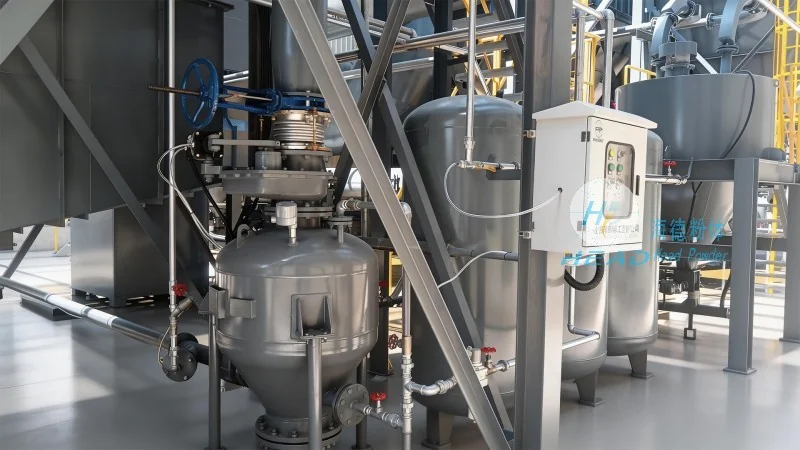
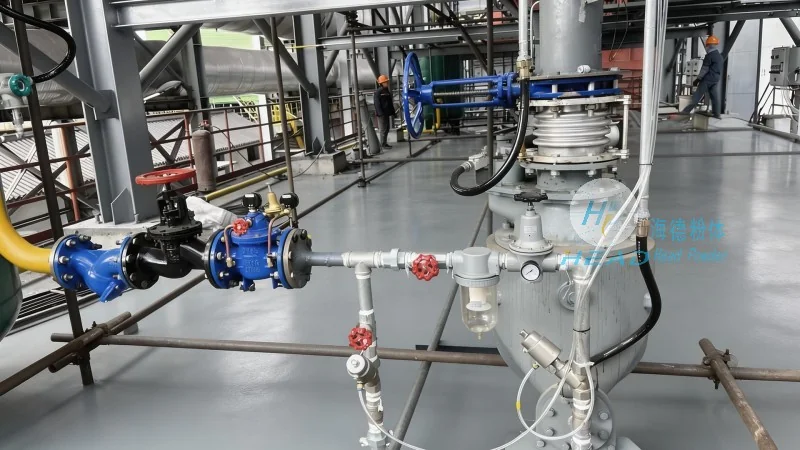
The core working principle of the CMC powder conveying line is based on the principles of fluidization and pneumatic transport. In pneumatic conveying systems, compressed air is used to create a flow that carries the powder particles through the pipeline. This method is particularly effective for CMC powder due to its fine particle size and low bulk density. The system ensures that the powder remains suspended in the air stream, preventing blockages and maintaining a uniform flow. Additionally, the design of the hopper and feeder minimizes the risk of material bridging or agglomeration, which are common issues in powder handling.
Benefits and Applications
The CMC powder conveying line offers several advantages, including high efficiency, low maintenance costs, and the ability to handle large volumes of material. It is particularly suitable for industries where precise control over powder flow is essential, such as in the production of food additives, pharmaceutical excipients, and construction materials. The system's ability to maintain the purity and quality of the CMC powder makes it a preferred choice for applications requiring stringent standards.
Company Overview: Shandong HeadPowder Engineering Co., Ltd.
As a leading manufacturer in the field of powder handling equipment, Shandong HeadPowder Engineering Co., Ltd. specializes in designing and manufacturing customized conveying systems tailored to the specific needs of clients. With a strong focus on quality and innovation, the company has established itself as a trusted partner for industries relying on reliable CMC powder transportation solutions. HeadPowder's expertise in material science and mechanical engineering ensures that their conveying lines are built to meet the highest industry standards.
Conclusion
In conclusion, the Carboxymethyl Cellulose powder conveying line is a sophisticated system that combines advanced technology with practical engineering to address the challenges of powder handling. By understanding the operational process and working principles, users can optimize their production processes and ensure the consistent quality of their CMC powder. With the support of companies like Shandong HeadPowder Engineering Co., Ltd., industries can achieve efficient and reliable powder transportation, enhancing their overall productivity and competitiveness.




