High-pressure dense-phase powder conveyors are advanced industrial equipment designed for efficient and reliable transportation of bulk powders. These systems are widely used in various industries, including chemical, pharmaceutical, food processing, and mining, due to their ability to handle a wide range of powder materials with minimal degradation and high throughput. Manufactured by Shandong HeadPowder Engineering Co., Ltd., these conveyors utilize a unique combination of high-pressure air or gas and a dense phase of material, ensuring stable and controlled flow, reducing the risk of blockages and ensuring consistent performance.
Working Principle of High-Pressure Dense-Phase Powder Conveyors
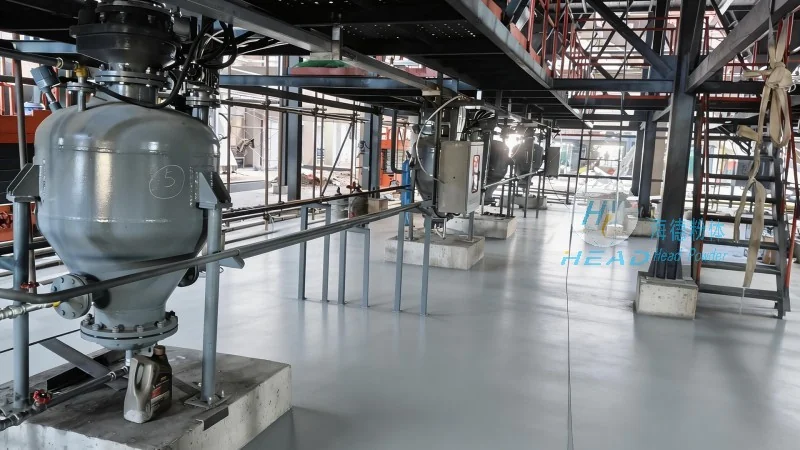
The core working principle of high-pressure dense-phase powder conveyors is based on the creation of a dense phase of powder within the conveying line. This is achieved by injecting high-pressure air or gas into the material stream, which causes the powder particles to form a compact, plug-like flow rather than a dilute, pneumatic flow. The dense phase reduces the velocity of the material, minimizing particle attrition and preventing the formation of dust clouds. The system typically consists of a hopper, a pressure vessel, a pump or compressor, and a discharge valve. The powder is fed into the hopper, and then pressurized air is introduced, pushing the material through the pipeline. The discharge valve controls the release of the material at the destination, ensuring a controlled and steady flow.
Key Components and Their Functions
Several critical components work together to ensure the efficient operation of high-pressure dense-phase powder conveyors. The hopper serves as the storage and feeding unit, where the powder is loaded and prepared for transport. The pressure vessel, often called a pressure tank or receiver, is responsible for maintaining the high pressure required for the conveying process. The pump or compressor generates the necessary pressure and airflow to move the material. The pipeline connects the components and provides the path for the material to travel. The discharge valve at the end of the line controls the release of the material, allowing for precise control over the delivery rate. Each component plays a vital role in maintaining the stability and efficiency of the conveyor system.
Operation Process of High-Pressure Dense-Phase Powder Conveyors
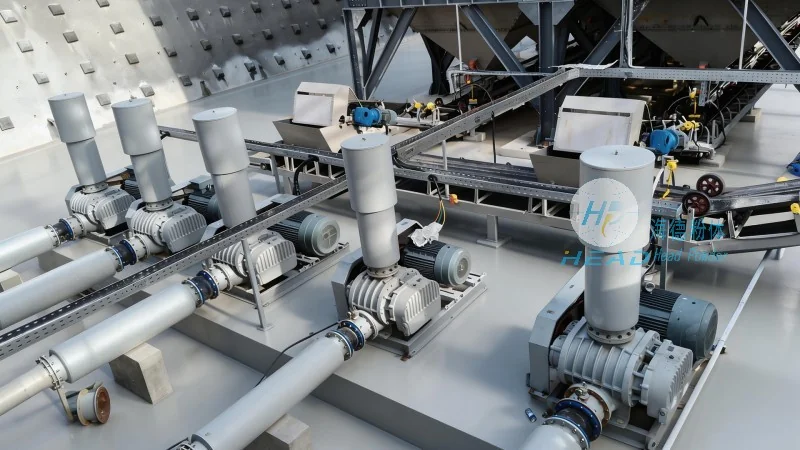
The operation process of high-pressure dense-phase powder conveyors involves several sequential steps to ensure smooth and continuous material transport. First, the powder is loaded into the hopper from a storage silo or bulk container. The hopper is equipped with a feeder, such as a rotary valve or a screw feeder, which controls the flow rate of the material into the pressure vessel. Next, high-pressure air or gas is introduced into the pressure vessel, creating a pressurized environment. The pressure is maintained at a level sufficient to push the material through the pipeline. As the pressure builds, the powder forms a dense phase within the vessel, ready for transport. The pump then activates, and the pressurized material is pushed through the pipeline to the discharge point. The discharge valve at the destination opens to allow the material to exit the system. The process is typically automated, with sensors and controls monitoring pressure, flow rate, and material level to ensure optimal performance. This automated control system helps maintain consistent operation and prevents issues such as overpressurization or material starvation.
Advantages of High-Pressure Dense-Phase Powder Conveyors
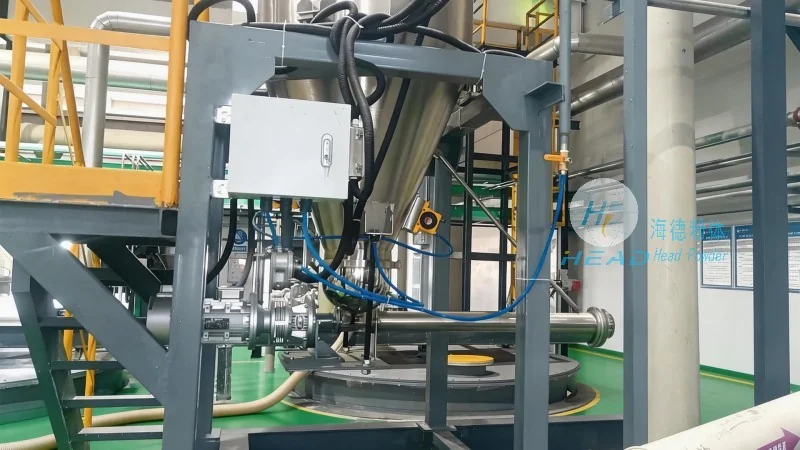
High-pressure dense-phase powder conveyors offer several advantages over traditional pneumatic conveying systems. One of the primary benefits is the ability to handle a wide range of powder materials, including those that are abrasive, corrosive, or sensitive to moisture. The dense phase reduces particle attrition, preserving the quality of the material. Additionally, these systems can transport materials over long distances with minimal pressure drop, making them suitable for applications where traditional systems would require excessive energy or multiple stages. The controlled flow also reduces the risk of dust emissions, improving safety and environmental compliance. Another advantage is the ability to handle high bulk densities, which increases the throughput of the system without requiring larger pipelines. This makes high-pressure dense-phase conveyors an efficient solution for high-volume material transport in industrial settings.
Applications and Industries
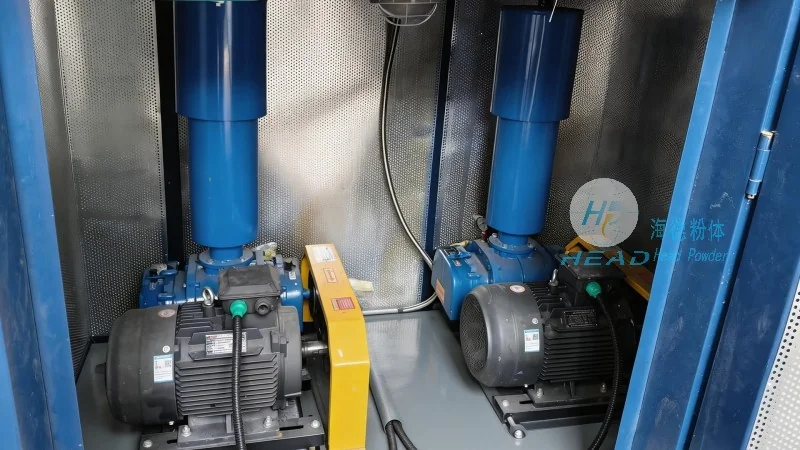
High-pressure dense-phase powder conveyors are used in a variety of industries where the reliable and efficient transport of bulk powders is critical. In the chemical industry, these systems are used to transport raw materials and finished products, such as powders used in pharmaceuticals, plastics, and fertilizers. The pharmaceutical industry benefits from the ability to handle sensitive materials without degradation, ensuring product quality and safety. The food processing industry uses these conveyors to transport ingredients like flour, sugar, and spices, maintaining hygiene and preventing contamination. In the mining industry, high-pressure dense-phase conveyors are used to transport ore and other bulk materials from processing plants to storage or further processing facilities. The mining sector also benefits from the ability to handle abrasive materials without damaging the equipment. Overall, the versatility and efficiency of high-pressure dense-phase powder conveyors make them a preferred choice in many industrial applications.
Maintenance and Operational Considerations
Proper maintenance and operational considerations are essential to ensure the long-term performance and reliability of high-pressure dense-phase powder conveyors. Regular maintenance includes checking and replacing worn components, such as seals and valves, to prevent leaks and maintain pressure. The pressure vessel and pipeline should be inspected for signs of corrosion or wear, and cleaned regularly to remove any buildup of material. The feeder and hopper should be checked for blockages or clogs, which can affect the flow rate and cause system inefficiencies. Operational considerations include monitoring pressure and flow rates to ensure they remain within the optimal range. The system should be started and stopped gradually to avoid sudden pressure changes that could damage components. Additionally, the use of appropriate filters and moisture control measures can help maintain the quality of the material being transported. By following these maintenance and operational guidelines, users can maximize the lifespan and efficiency of their high-pressure dense-phase powder conveyors.




