Understanding the operation process and working principle of soybean powder conveying system equipment is crucial for optimizing industrial efficiency in food processing and agricultural applications. This equipment is designed to handle the transportation of soybean powder with precision and reliability, ensuring consistent performance in various production environments. The system integrates advanced engineering solutions to manage the flow of powder, from intake to discharge, while maintaining product integrity and operational safety.
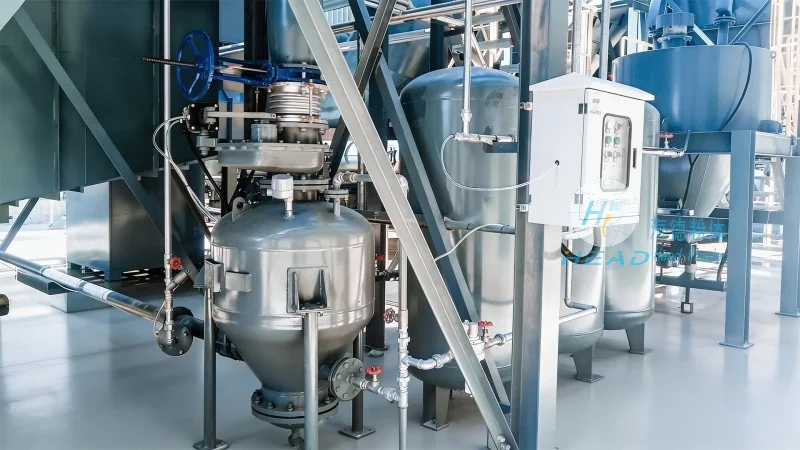
Key Components and Their Functions
The soybean powder conveying system typically comprises several core components, each playing a vital role in the overall operation. These include the hopper for material storage, the conveyor mechanism (such as screw conveyors or pneumatic systems), control panels for automated operation, and safety features to prevent accidents. The hopper is designed to hold a substantial amount of soybean powder, ensuring a steady supply to the conveyor. The conveyor mechanism, often a screw or pneumatic system, transports the powder through pipelines or enclosed channels, minimizing dust generation and product contamination. The control panel allows operators to adjust parameters like speed, pressure, and flow rate, adapting to different production demands. Safety features, including overload protection and emergency stop buttons, enhance operational safety and compliance with industrial standards.
Operation Process Step-by-Step
The operation of the soybean powder conveying system follows a systematic process to ensure efficient and safe material handling. The process begins with the loading of soybean powder into the hopper. The powder is then fed into the conveyor mechanism, which transports it to the discharge point. The control panel monitors the system's performance, adjusting parameters as needed to maintain optimal flow. During operation, the system continuously circulates the powder, preventing clogging and ensuring consistent output. The discharge point is typically connected to the next stage of the production line, such as a mixing or processing unit. The entire process is automated, reducing manual intervention and minimizing human error. Regular maintenance is performed to keep the system in good working condition, ensuring long-term reliability and efficiency.
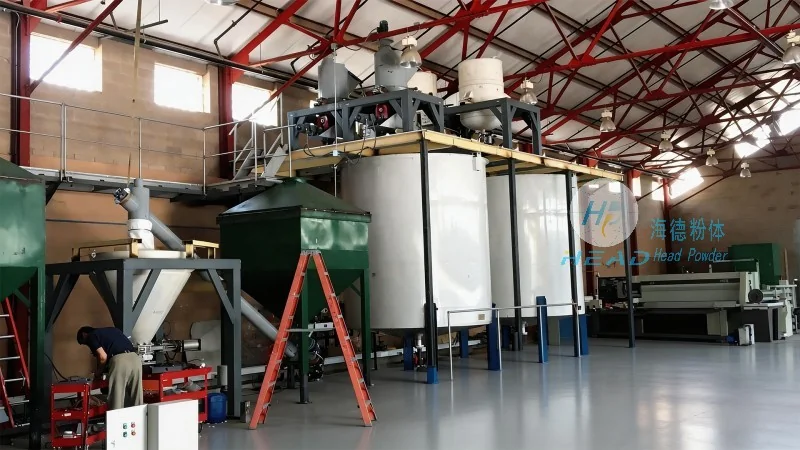
Working Principle of the Conveying Mechanism
The working principle of the soybean powder conveying system relies on the principles of fluid dynamics and mechanical force. For screw conveyors, the system uses a rotating screw to push the powder forward, creating a positive pressure that moves the material through the pipeline. The screw's design, including pitch and diameter, is optimized to handle the specific characteristics of soybean powder, such as particle size and moisture content. Pneumatic conveying systems, on the other hand, use compressed air to create a negative pressure that draws the powder into the pipeline. This method is particularly effective for handling fine powders and minimizing dust. The control system regulates the air pressure and flow rate, ensuring the powder is transported smoothly without clogging. Both mechanisms are designed to maintain the integrity of the soybean powder, preventing agglomeration or degradation during transportation.
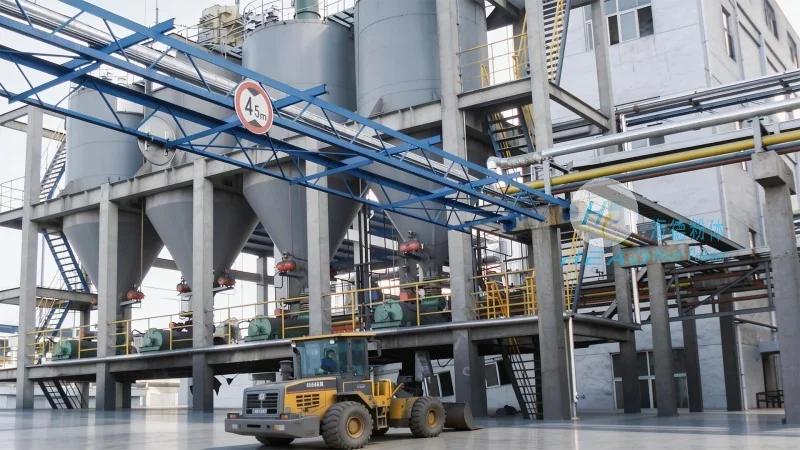
Benefits and Applications
The soybean powder conveying system offers numerous benefits for industrial applications, including improved efficiency, reduced labor costs, and enhanced product quality. The automated operation minimizes human intervention, reducing the risk of errors and improving consistency. The system's design ensures minimal product contamination, which is critical for food processing applications. Additionally, the system's ability to handle large volumes of powder makes it suitable for high-production environments. The equipment is widely used in the food industry, particularly in the production of soybean-based products like soy milk, tofu, and soy protein isolates. It is also used in agricultural applications for the storage and transportation of soybean powder for animal feed or industrial use. The system's flexibility allows it to be integrated into existing production lines, enhancing overall operational efficiency.
Maintenance and Safety Considerations
Maintaining the soybean powder conveying system is essential to ensure its long-term performance and safety. Regular maintenance includes cleaning the hopper and conveyor to prevent powder buildup, which can lead to clogging or fire hazards. The control panel and electrical components should be inspected regularly to ensure they are functioning correctly. The system's safety features, such as overload protection and emergency stop buttons, must be tested periodically to ensure they are operational. Operators should be trained on the proper use of the equipment and safety procedures to prevent accidents. Compliance with industrial safety standards is crucial, as the system handles powders that can pose a dust explosion risk if not managed properly. By following proper maintenance and safety protocols, the system can operate reliably and safely for extended periods.




