HeadPowder, a leading enterprise in the field of powder handling technology, specializes in the design, manufacturing, and supply of advanced powder conveying systems. The company, headquartered in Shandong, China, has established itself as a trusted provider of efficient and reliable solutions for transporting paper sheet powders. This article delves into the operational process and working principles of their paper sheet powder conveying system equipment, highlighting key components, functional mechanisms, and the overall efficiency of the system.
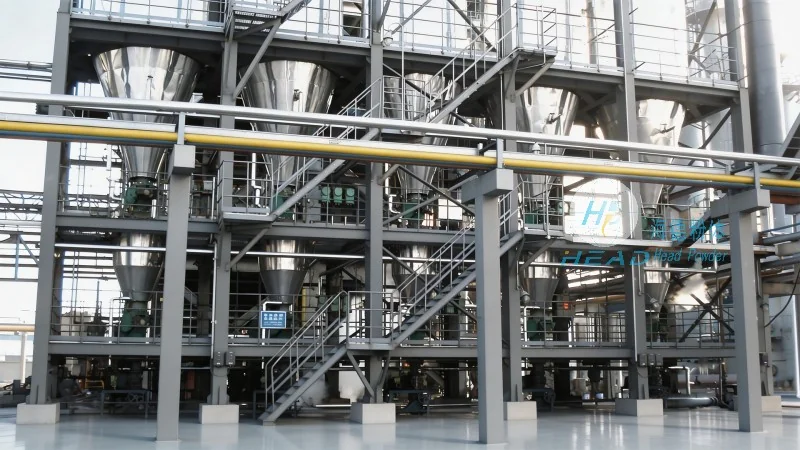
Key Components of the Paper Sheet Powder Conveying System
The paper sheet powder conveying system by HeadPowder is engineered with precision, incorporating several critical components that work in harmony to ensure smooth and consistent powder transport. The main components include the hopper, feeding mechanism, conveyor belt or tube, control system, and discharge outlet. The hopper is designed to hold the paper sheet powder, providing a stable and controlled feed source. The feeding mechanism, often a screw or rotary valve, regulates the flow of powder from the hopper into the conveyor. The conveyor itself, which can be a flexible tube or a rigid belt system, is responsible for transporting the powder from the inlet to the outlet. The control system, equipped with sensors and a programmable logic controller (PLC), monitors and adjusts the flow rate, pressure, and other parameters to maintain optimal performance. Finally, the discharge outlet allows the powder to be released at the desired location, completing the conveying process.
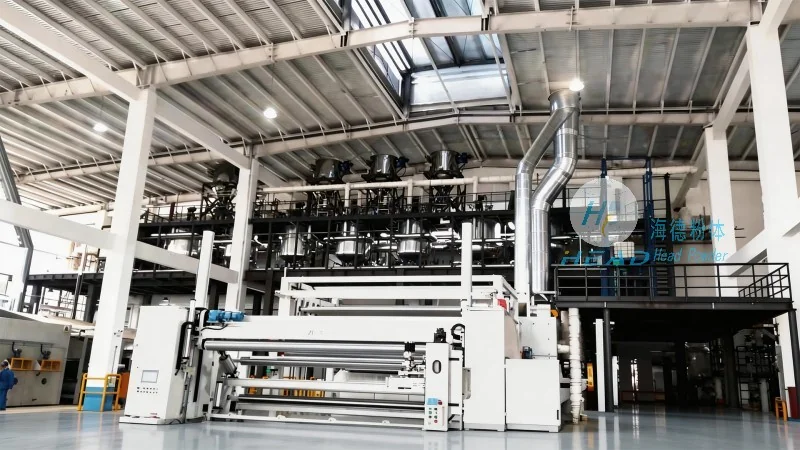
Working Principle of the Powder Conveying Process
The operation of the paper sheet powder conveying system follows a systematic sequence of steps, each contributing to the efficient movement of the powder. The process begins with the loading of the paper sheet powder into the hopper. The feeding mechanism then activates, controlling the rate at which the powder is released into the conveyor. As the powder enters the conveyor, it is propelled forward by the mechanical action of the conveyor system—whether through the rotation of a screw conveyor, the movement of a belt, or the pressure within a flexible tube. The control system continuously monitors the pressure and flow rate, adjusting the feeding speed to prevent blockages or overloading. This dynamic adjustment ensures that the powder moves smoothly through the system, maintaining a consistent flow rate. At the discharge end, the powder is released into the target container or processing area, completing the conveying cycle. The entire process is automated and can be customized to meet specific operational requirements, such as varying flow rates or handling different powder types.
Operational Process: Step-by-Step Overview
The operational process of the paper sheet powder conveying system is designed to be straightforward and efficient, ensuring minimal downtime and maximum productivity. The steps involved are as follows: First, the hopper is filled with the paper sheet powder, ensuring an adequate supply for the conveying operation. Next, the system is started, activating the feeding mechanism and conveyor. The control system then takes over, regulating the flow rate based on real-time feedback from sensors. As the powder moves through the conveyor, the system monitors for any signs of blockage or abnormal pressure, automatically adjusting the parameters to maintain smooth operation. The discharge outlet is positioned to receive the powder, and the system continues to run until the hopper is empty or the desired quantity has been conveyed. Finally, the system is shut down, and the powder is collected from the discharge outlet for further processing or storage. This step-by-step process ensures that the conveying operation is carried out reliably and consistently, minimizing the risk of material loss or system failure.
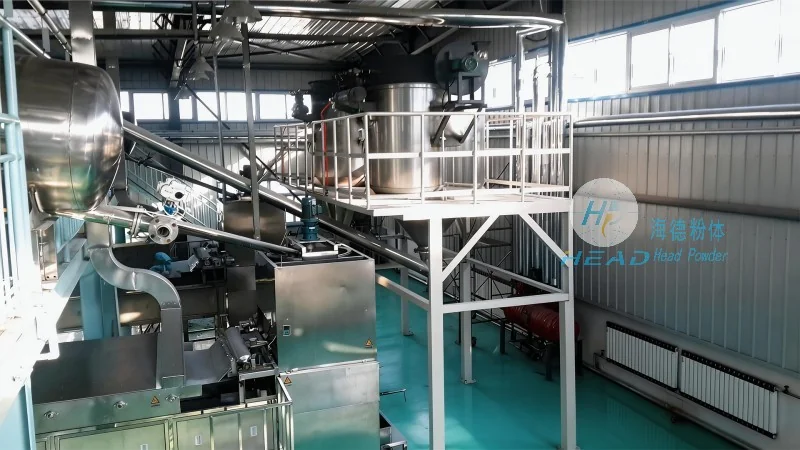
Advantages and Applications of the System
The paper sheet powder conveying system offered by HeadPowder provides several advantages that make it suitable for a wide range of industrial applications. One of the key benefits is its ability to handle paper sheet powders efficiently, even those with varying particle sizes or moisture content. The system is designed to minimize product degradation, ensuring that the powder remains in its original state throughout the conveying process. Additionally, the system is highly customizable, allowing it to be adapted to different production requirements, such as varying flow rates or handling different powder types. The automated control system reduces the need for manual intervention, improving operational efficiency and reducing labor costs. The system is also compact and easy to install, making it suitable for both new and existing production lines. Applications of this system include the food industry, pharmaceuticals, and chemical processing, where the transport of paper sheet powders is critical to the production process.




