Phenolic resin powder conveying systems are critical components in industrial applications, particularly in manufacturing processes that involve the handling of phenolic resin powders. These systems are designed to efficiently transport and manage phenolic resin powders from storage to processing units, ensuring consistent flow and minimizing material loss. The equipment from Shandong HeadPowder Engineering Co., Ltd. (commonly known as headpowder) exemplifies advanced engineering solutions tailored for such demanding applications.
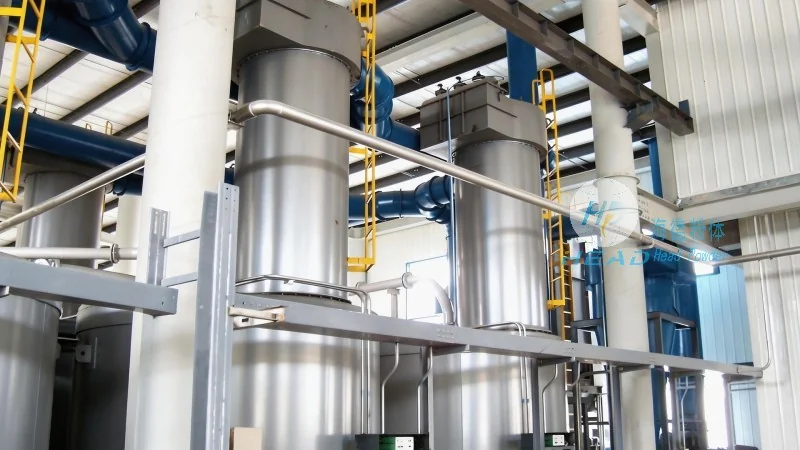
Company Overview and Core Competence
Shandong HeadPowder Engineering Co., Ltd., based in Shandong, China, specializes in the design, manufacturing, and supply of high-quality powder conveying systems. With a focus on precision and reliability, the company has established itself as a trusted provider in the industry. The company’s expertise lies in understanding the unique challenges associated with phenolic resin powder handling, such as dust control, material flow optimization, and system integration. By leveraging years of experience and cutting-edge technology, headpowder delivers solutions that meet the specific needs of clients across various sectors.
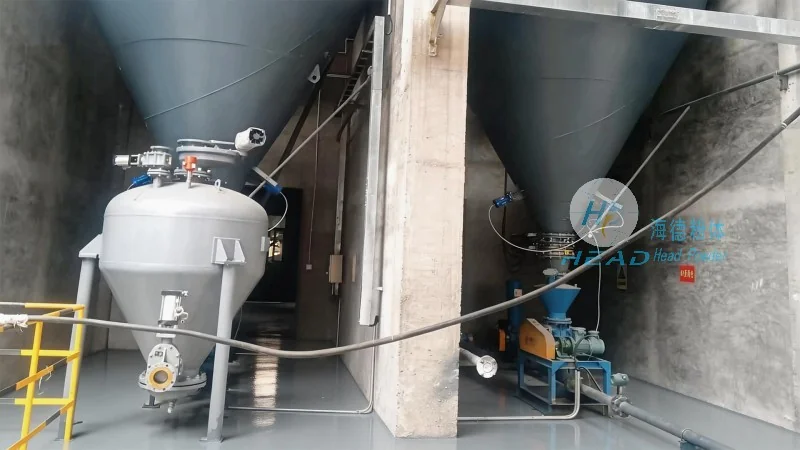
Working Principle of the Phenolic Resin Powder Conveying System
The phenolic resin powder conveying system operates on a principle of continuous material transport, typically utilizing positive displacement or pneumatic conveying methods. The system begins with the storage of phenolic resin powder in a hopper or silo, where the material is fed into a conveyor line. A series of components, including feeders, conveyors, and control mechanisms, work in tandem to ensure smooth and controlled movement of the powder. The feeders, often equipped with adjustable speed controls, regulate the flow rate of the resin powder, preventing overloading or underflow. The conveyor system, which may consist of screw conveyors, pneumatic lines, or combination units, transports the powder to the processing equipment. Sensors and monitoring devices are integrated into the system to detect any deviations in flow, pressure, or temperature, allowing for real-time adjustments and maintaining operational stability.
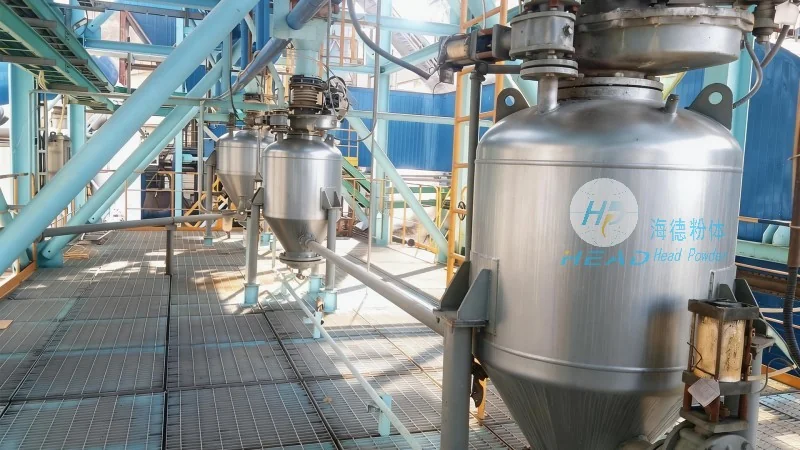
Operation Process: Step-by-Step Overview
The operation of the phenolic resin powder conveying system follows a systematic process that ensures efficient and safe handling of the material. The first step involves the preparation of the system, which includes checking the condition of components, ensuring proper alignment, and verifying the functionality of control systems. Once the system is ready, the phenolic resin powder is introduced into the hopper. The feeder then activates, and the powder is fed into the conveyor. The conveyor transports the powder to the processing unit, where it is used in various applications, such as molding, coating, or composite manufacturing. Throughout the process, the system continuously monitors parameters like pressure, flow rate, and temperature to maintain optimal performance. In case of any issues, such as blockages or abnormal flow, the system automatically triggers alarms or safety mechanisms to prevent damage to equipment or material loss. The entire operation is designed to be automated, reducing the need for manual intervention and enhancing productivity.
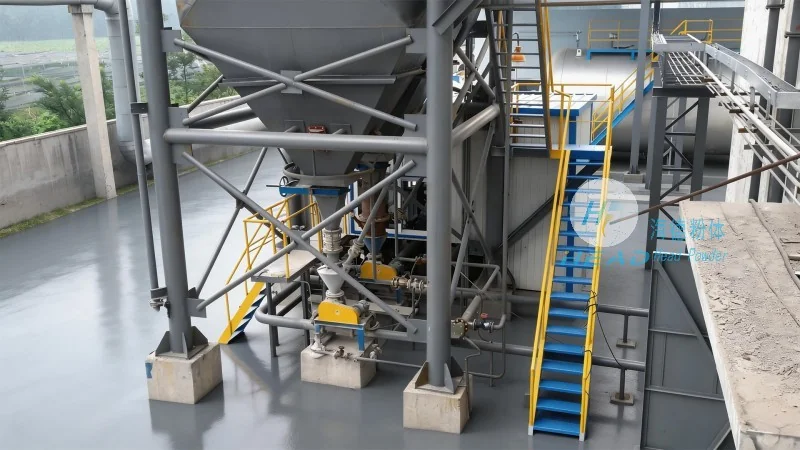
Key Features and Benefits of the System
The phenolic resin powder conveying system from headpowder incorporates several key features that enhance its performance and reliability. One of the primary features is the use of advanced material handling technology, which minimizes dust generation and ensures clean operation. The system is equipped with dust collection and filtration systems to maintain a safe working environment. Another important feature is the integration of smart control systems, which allow for remote monitoring and adjustment of parameters. This enables operators to optimize the system’s performance based on real-time data, leading to improved efficiency and reduced downtime. The system also offers flexibility in terms of material handling, supporting various types of phenolic resin powders and accommodating different processing requirements. The benefits of using this system include improved material flow control, reduced maintenance costs, enhanced safety, and increased overall productivity. By investing in such a system, industries can achieve higher quality output and maintain compliance with environmental and safety standards.




