HeadPowder, a leading manufacturer in the field, specializes in providing advanced solutions for the efficient handling and transportation of potassium carbonate fertilizer. This article delves into the operational process and working principles of their powder conveying system equipment, highlighting key components and the systematic approach to ensuring reliable performance in fertilizer processing and distribution.
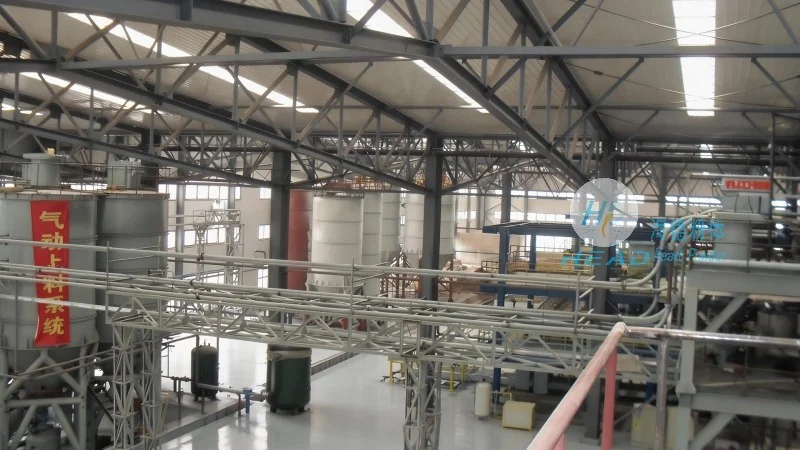
About HeadPowder Engineering Co., Ltd.
HeadPowder, formally known as Shandong HeadPowder Engineering Co., Ltd., is headquartered in Shandong, China. The company has established itself as a trusted provider of engineering solutions tailored to the fertilizer industry, focusing on innovation and reliability in equipment design and manufacturing.
Overview of the Powder Conveying System
The potassium carbonate fertilizer powder conveying system is engineered to handle bulk powder materials with precision and efficiency. The system integrates multiple components, including feeders, conveyors, and control units, to ensure seamless material flow from storage to processing or packaging stages. Key to its operation is the synchronized control of each component, which minimizes downtime and maximizes throughput.
Key Components and Their Functions
1. Material Feeder: This component is responsible for uniformly feeding the potassium carbonate powder into the conveying system. It ensures a consistent flow rate, preventing blockages and maintaining the integrity of the powder. The feeder is typically equipped with adjustable speed controls to adapt to varying material conditions.
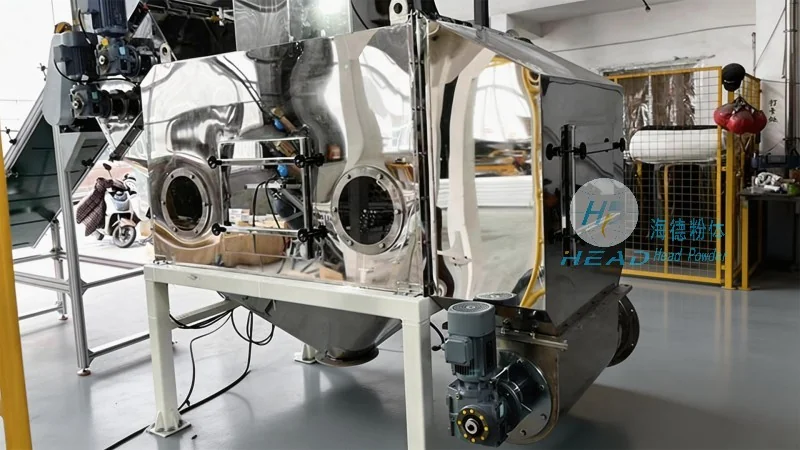
2. Pneumatic Conveying Line: The core of the system, the pneumatic conveying line uses air pressure to transport the powder through a network of pipes. This method is ideal for handling fine powders like potassium carbonate, as it minimizes dust generation and provides a clean, enclosed transport path. The system employs positive pressure or negative pressure depending on the specific application requirements.
3. Control System: A sophisticated control unit monitors and regulates the operation of all components. It includes sensors for detecting material levels, pressure, and flow rates, ensuring real-time adjustments to maintain optimal performance. The control system also features safety protocols to prevent overloading or system failures.
Operation Process
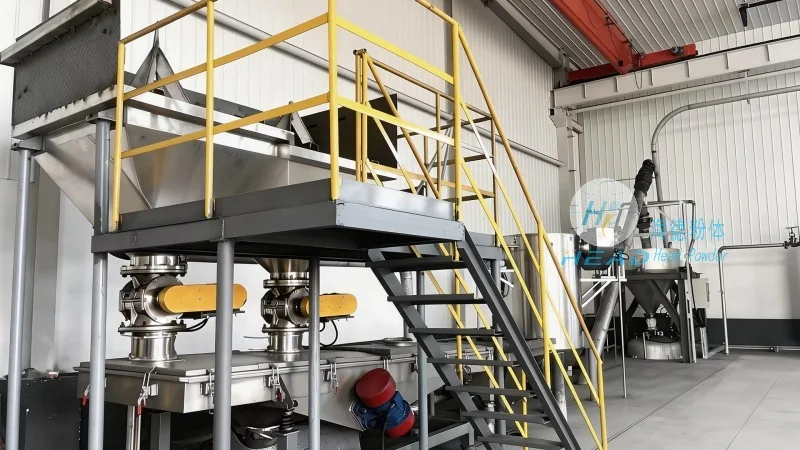
The operational process begins with the loading of potassium carbonate fertilizer into the storage silo. The material feeder then draws the powder from the silo and feeds it into the pneumatic conveying line. As the powder travels through the pipes, it is propelled by compressed air, moving to the target destination such as a processing plant or packaging line. The control system continuously monitors the entire process, adjusting air pressure and feeder speed as needed to maintain a steady flow. At the receiving end, the powder is discharged into a hopper or directly into packaging equipment, completing the transport cycle.
Working Principle
The working principle of the powder conveying system is based on the principles of fluidization and pneumatic transport. The material is suspended in a stream of air, creating a fluidized state that allows for smooth movement through the conveying line. This method effectively overcomes the challenges associated with handling fine powders, such as caking and blockage, by maintaining the powder in a suspended state. The system's design ensures that the air-powder mixture flows uniformly, reducing wear on components and extending the equipment's lifespan.
Benefits and Applications
The potassium carbonate fertilizer powder conveying system offers several advantages, including high efficiency, low maintenance costs, and minimal environmental impact. It is widely used in fertilizer production facilities to streamline the handling of bulk materials, improving overall productivity. The system's adaptability allows it to be integrated into existing production lines or used as a standalone solution for specific conveying needs.




