For industries seeking to enhance operational efficiency and streamline material flow, fully automatic material handling systems represent a cornerstone of modern production and logistics. These sophisticated systems, engineered by Shandong HeadPowder Engineering Co., Ltd., based in Shandong, China, integrate advanced technology to manage the entire material transport lifecycle with minimal human intervention. Understanding the operation process and working principle of such systems is crucial for optimizing workflow and ensuring reliability in various industrial applications.
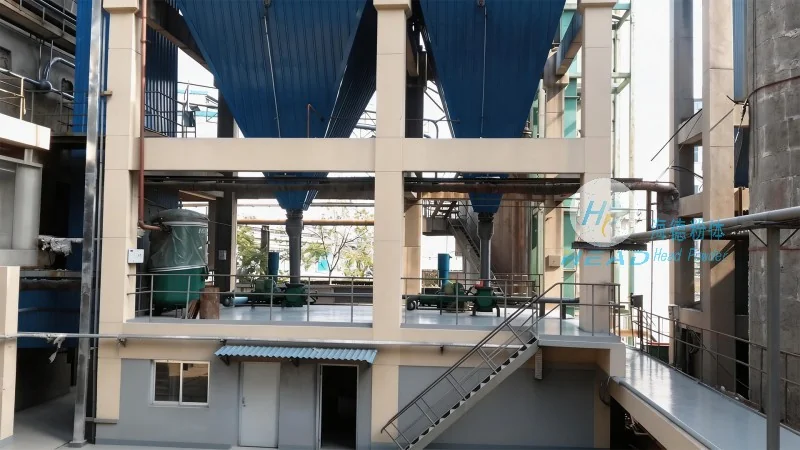
Company Background and Expertise
Shandong HeadPowder Engineering Co., Ltd. specializes in the design, manufacturing, and implementation of automated material handling solutions. With a focus on precision engineering and customer-centric design, the company has established itself as a trusted partner for businesses requiring robust, scalable material transport systems. The company’s headquarters is located in Shandong, China, where it leverages local manufacturing capabilities and technical expertise to deliver high-quality products tailored to diverse industrial needs.
The Operation Process of Fully Automatic Material Handling Systems
The operation process of a fully automatic material handling system typically involves several sequential steps that ensure smooth and efficient material movement. The process begins with the input stage, where raw materials or finished products are loaded into the system. This may involve automated loading equipment, such as conveyor belts, robotic arms, or automated storage and retrieval systems (AS/RS), depending on the system configuration. Once materials are loaded, the system proceeds to the processing stage, where they undergo sorting, inspection, or packaging operations. Advanced sensors and control systems are employed to guide materials through these processes, ensuring accuracy and consistency. After processing, materials move to the output stage, where they are discharged or transferred to the next stage of production or distribution. The entire process is monitored in real-time by a central control unit, which adjusts parameters to maintain optimal performance and prevent bottlenecks.
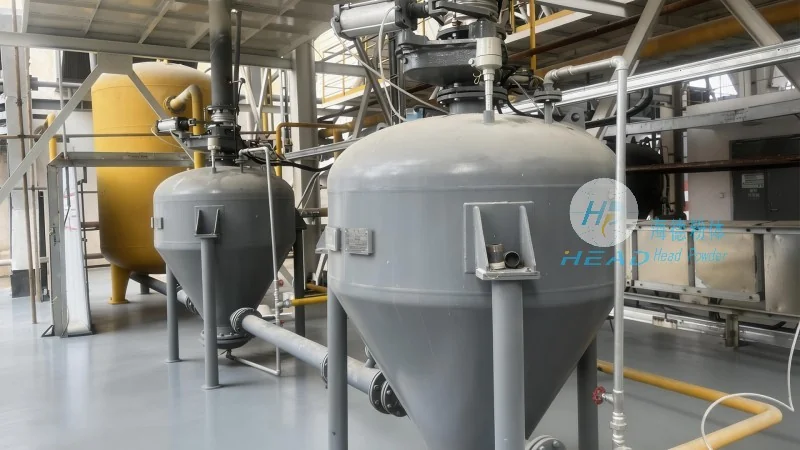
The Working Principle of Fully Automatic Material Handling Systems
The working principle of fully automatic material handling systems relies on a combination of mechanical, electrical, and control components working in harmony. At the core of the system is a control unit, often equipped with a programmable logic controller (PLC) or a more advanced industrial computer, which coordinates all operations. This control unit receives input from various sensors, such as proximity sensors, weight scales, and vision systems, to detect the position, status, and characteristics of materials. Based on this data, the control unit sends signals to actuators, including motors, valves, and robotic joints, to execute specific actions. For example, a conveyor belt may be activated to move materials along a designated path, while a robotic arm may pick and place items into a container. The system also incorporates feedback mechanisms to verify that each step has been completed correctly, ensuring that any deviations are immediately addressed. This closed-loop control system enhances reliability and reduces the risk of errors, making fully automatic material handling systems highly efficient and dependable.
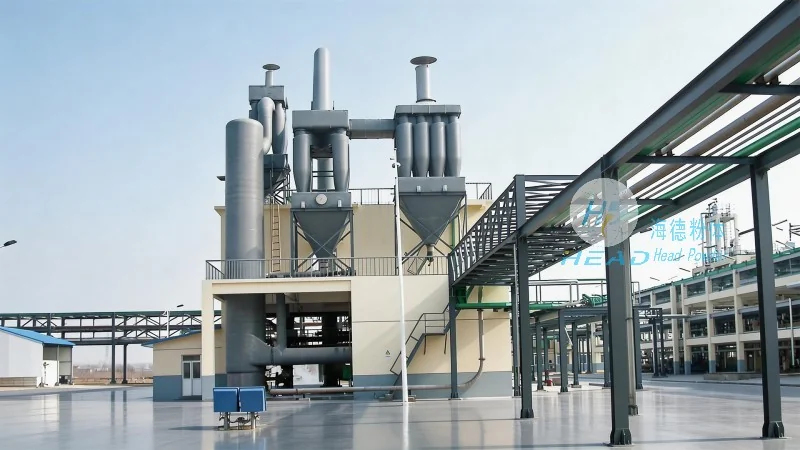
Key Components and Their Roles
Several key components contribute to the functionality of fully automatic material handling systems. The conveyor system serves as the backbone of the material transport, using belts, rollers, or chains to move items horizontally or vertically. This component is often equipped with variable speed drives to adjust the flow rate based on demand. Robotic systems, including articulated arms or collaborative robots (cobots), are used for tasks requiring precision, such as picking, placing, or assembling parts. These robots are integrated with vision systems to identify and handle items accurately. Sensors and control devices play a critical role in monitoring and controlling the system. Proximity sensors detect the presence of materials, while barcode or RFID readers provide identification information. The central control unit processes this data and coordinates the actions of all components. Power and drive systems supply the necessary energy to operate motors and actuators, ensuring smooth and consistent movement. Finally, software and control interfaces allow operators to monitor the system, adjust parameters, and troubleshoot issues remotely. This integration of hardware and software enables fully automatic material handling systems to operate autonomously while maintaining flexibility and adaptability.
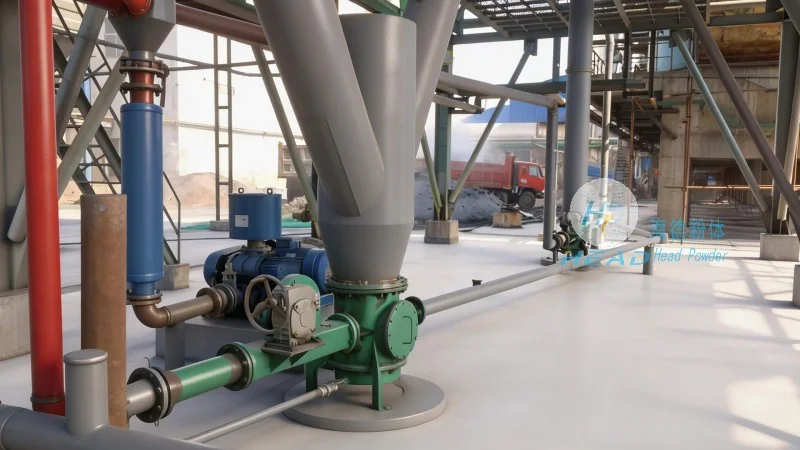
Advantages of Fully Automatic Material Handling Systems
Implementing fully automatic material handling systems offers numerous advantages for industrial operations. First, these systems significantly improve operational efficiency by reducing the time required for material transport and processing. By automating repetitive tasks, they minimize human intervention, leading to faster throughput and reduced labor costs. Second, the systems enhance accuracy and consistency, as they eliminate human error and ensure that each material is handled according to predefined parameters. This is particularly critical in industries where precision is essential, such as pharmaceuticals or electronics manufacturing. Third, fully automatic material handling systems improve safety by minimizing the need for workers to handle heavy or hazardous materials. The automated process reduces the risk of accidents and injuries, creating a safer working environment. Fourth, these systems offer scalability, allowing businesses to expand their operations without significant changes to the material handling infrastructure. By integrating additional components or expanding the system's capacity, companies can adapt to growing production demands. Finally, the systems provide real-time data and analytics, enabling businesses to monitor performance, identify bottlenecks, and optimize workflow continuously. This data-driven approach helps in making informed decisions and improving overall operational performance.
Applications and Industries
Fully automatic material handling systems are widely used across various industries, including manufacturing, logistics, and warehousing. In manufacturing, these systems are employed to transport raw materials to production lines and move finished products to packaging or storage areas. They are particularly beneficial in assembly lines, where materials need to be delivered to specific workstations at precise times. In logistics and warehousing, fully automatic systems are used for order picking, sorting, and distribution. They can handle high volumes of items, ensuring that orders are processed quickly and accurately. The systems are also used in industries such as food and beverage, pharmaceuticals, and automotive manufacturing, where hygiene, precision, and safety are paramount. For example, in a pharmaceutical factory, fully automatic material handling systems ensure that raw materials are handled under sterile conditions and that products are tracked throughout the supply chain. In the automotive industry, these systems are used to transport parts and components to assembly lines, improving the efficiency of the production process. Overall, the versatility and adaptability of fully automatic material handling systems make them suitable for a wide range of applications, helping businesses to enhance productivity and competitiveness.




