For industries requiring stringent cleanliness standards, dust-free automatic material handling systems are essential for maintaining product purity and operational efficiency. These systems are designed to transport materials without introducing contaminants, making them critical in sectors such as pharmaceuticals, electronics, and food processing. The operation process and working principle of such systems involve sophisticated engineering and precise control mechanisms to ensure reliable and contamination-free material movement.
Introduction to Dust-Free Automatic Material Handling Systems
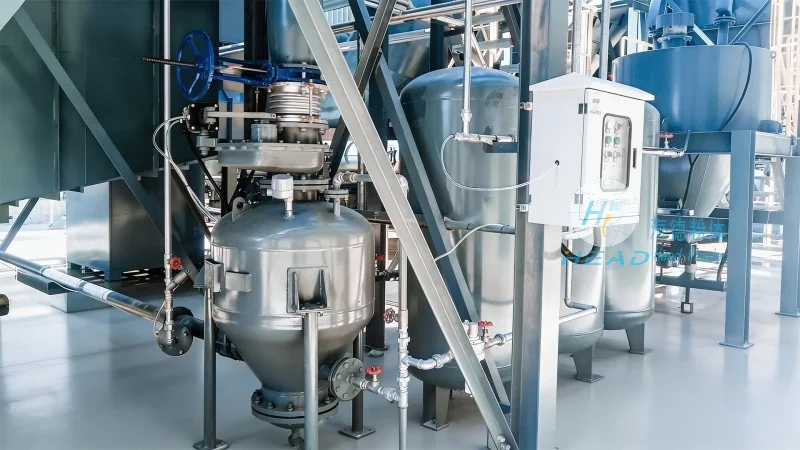
Dust-free automatic material handling systems are specialized equipment used to transport bulk or packaged materials within industrial environments while minimizing the risk of dust or particle contamination. These systems are engineered to meet the highest standards of cleanliness, often operating in controlled environments like cleanrooms. The core components of these systems include conveyors, material handling devices, and control systems that work in tandem to ensure smooth and efficient material flow. The design of these systems prioritizes dust containment, material integrity, and operational reliability, making them indispensable for industries where product purity is non-negotiable.
Key Components and Their Roles
The effectiveness of dust-free automatic material handling systems relies on several key components, each playing a critical role in the overall operation. The primary components include: conveyor systems, which may be belt conveyors, chain conveyors, or pneumatic conveyors, designed to move materials in a controlled manner; material handling devices, such as feeders, sorters, and elevators, that manipulate and position materials; and control systems, which use sensors, controllers, and software to monitor and adjust the operation of the system in real-time. Additionally, dust containment features like sealed enclosures, air filtration systems, and anti-static measures are integrated to prevent contamination and ensure safety.
Operation Process: Step-by-Step Workflow
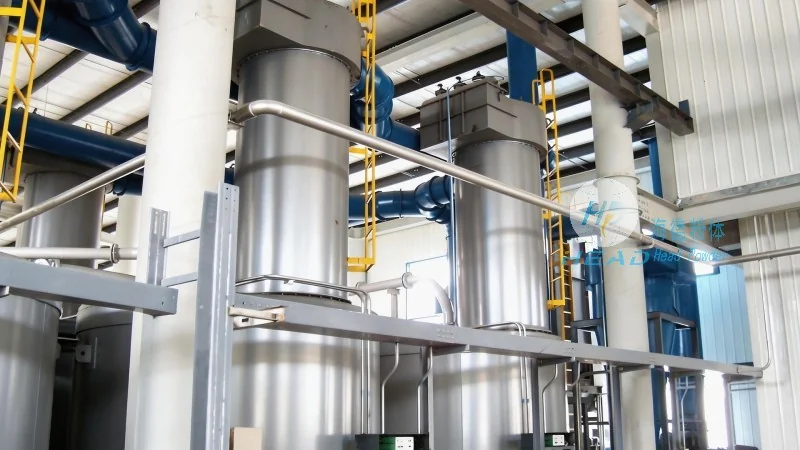
The operation of a dust-free automatic material handling system typically follows a structured workflow that ensures efficient material movement from the source to the destination. The process begins with the material loading phase, where raw materials are introduced into the system, often through hoppers or feeders. This is followed by the transportation phase, where the conveyor or handling device moves the materials through the system. During this phase, the system may include sorting, weighing, or quality inspection steps to ensure only qualified materials proceed. The next stage is unloading, where the materials are deposited at the desired location, such as a storage bin or processing line. Finally, the system enters the idle or standby mode, waiting for the next batch of materials to be loaded. This cyclic process is repeated continuously, maintaining a steady flow of materials while adhering to strict cleanliness protocols.
Working Principle: Control and Automation
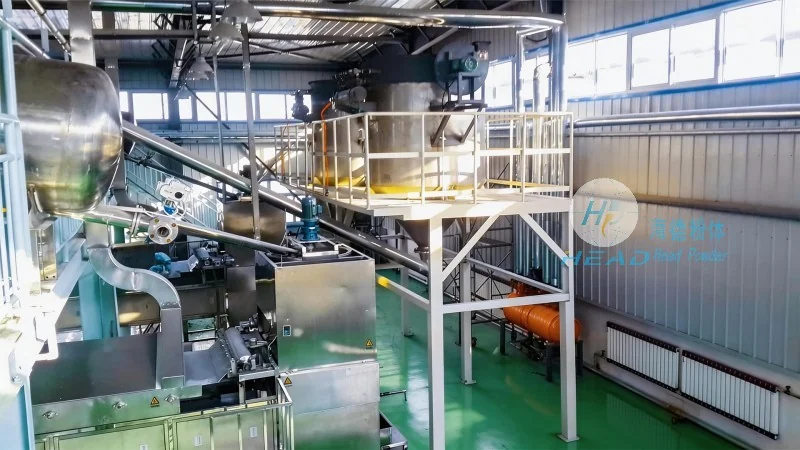
The working principle of dust-free automatic material handling systems is centered on automation and precise control. The system uses sensors to detect the position and status of materials, providing real-time feedback to the control unit. The control unit, often a programmable logic controller (PLC) or a computer-based system, processes this data and sends commands to the actuators (e.g., motors, valves) to adjust the operation of the conveyor or handling device. This closed-loop control ensures that the system operates within predefined parameters, minimizing errors and maximizing efficiency. The automation also allows for remote monitoring and adjustment, enabling operators to manage the system from a central control room. Furthermore, advanced features like predictive maintenance and fault detection are integrated to reduce downtime and ensure continuous operation.
Applications and Benefits
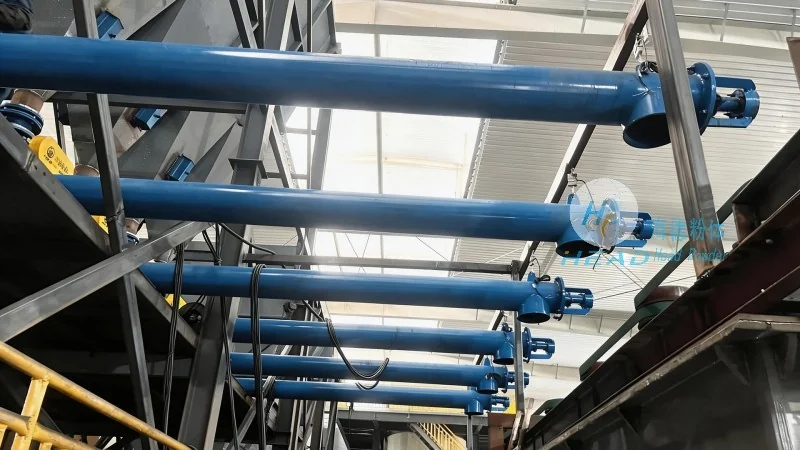
Dust-free automatic material handling systems are widely used in industries where contamination control is paramount. In the pharmaceutical industry, these systems are used to transport active pharmaceutical ingredients (APIs) and finished products, ensuring they remain free from dust and particles that could affect efficacy or safety. In the electronics industry, they handle sensitive components like semiconductors and circuit boards, preventing static electricity and dust from damaging the products. The food processing industry also benefits from these systems, as they maintain the hygiene and safety of food products during handling and packaging. The primary benefits of these systems include improved product quality, reduced contamination risks, enhanced operational efficiency, and compliance with industry regulations. By automating material handling, these systems also reduce labor costs and minimize human error, contributing to overall cost savings and operational excellence.
Conclusion
In conclusion, dust-free automatic material handling systems are sophisticated solutions designed to meet the demanding requirements of industries that require high levels of cleanliness and material integrity. The operation process, which involves loading, transportation, unloading, and standby phases, is carefully engineered to ensure efficient and contamination-free material movement. The working principle, based on automation and precise control, enables the system to operate reliably and adapt to changing conditions. With their ability to enhance product quality, improve operational efficiency, and ensure compliance with industry standards, these systems are essential for modern industrial operations. As technology advances, these systems continue to evolve, incorporating more advanced features to meet the growing demands of the market. For businesses operating in clean environments, investing in such systems is a strategic decision that ensures long-term success and competitiveness.




