HeadPowder, a leading manufacturer in the field of material handling solutions, specializes in the design, production, and installation of efficient conveying systems for the rice and flour industries. This article provides a detailed overview of the operation process and working principles of our material conveying systems, highlighting how they enhance productivity and ensure consistent quality in food processing operations.
Company Profile and Expertise
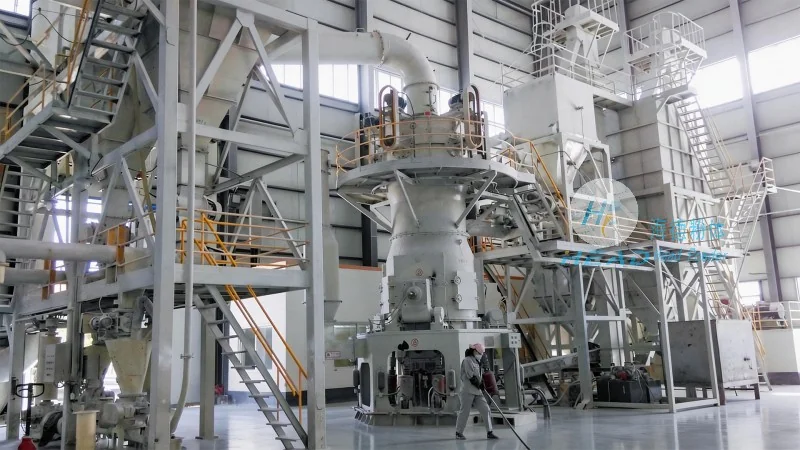
Shandong HeadPowder Engineering Co., Ltd., commonly known as HeadPowder, is headquartered in Shandong, China. With years of experience in the engineering and manufacturing of conveying equipment, HeadPowder has established itself as a trusted partner for businesses in the food processing sector. Our team of skilled engineers and technicians is dedicated to developing innovative solutions that meet the specific needs of our clients, ensuring reliable and efficient material handling processes.
Understanding Material Conveying Systems
The material conveying system for rice and flour involves a series of components working in tandem to transport bulk materials from one location to another within a processing facility. These systems are designed to handle various types of grains and powders, including rice, wheat, corn, and other similar products, with precision and minimal loss. The core components typically include feeders, conveyors, elevators, and control systems, each playing a crucial role in the overall operation.
The Operation Process: Step-by-Step
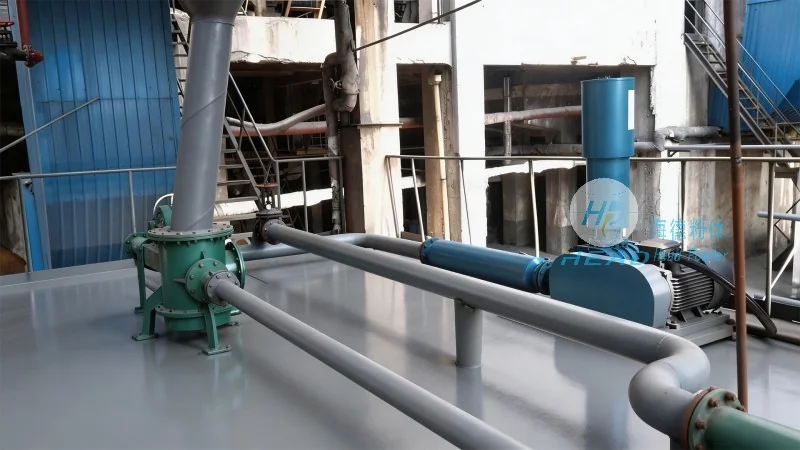
The operation of a rice and flour material conveying system begins with the initial feeding of raw materials into the system. This is usually done using a hopper or a bulk container that feeds the material into a feeder, which regulates the flow rate to maintain consistent material throughput. The feeder then transfers the material to the primary conveyor, which may be a belt conveyor, screw conveyor, or pneumatic conveyor, depending on the specific requirements of the application.
Once the material is on the conveyor, it is transported to the next stage of processing. For example, in a rice processing plant, the conveyor may carry the rice to a cleaning or sorting unit, where impurities are removed before further processing. Similarly, in a flour mill, the conveyor transports the ground flour to storage silos or packaging areas. The system may include multiple conveyors connected in series, allowing for vertical or horizontal transport as needed.
Working Principles: Key Technologies
The working principles of material conveying systems for rice and flour are based on mechanical and pneumatic technologies that ensure efficient and reliable operation. Mechanical conveyors, such as belt conveyors and screw conveyors, use physical force to move materials along a path. Belt conveyors utilize a continuous belt that moves over rollers, while screw conveyors use a rotating screw to push materials forward. These systems are ideal for transporting bulk materials over short to medium distances and are commonly used in the initial stages of material handling.
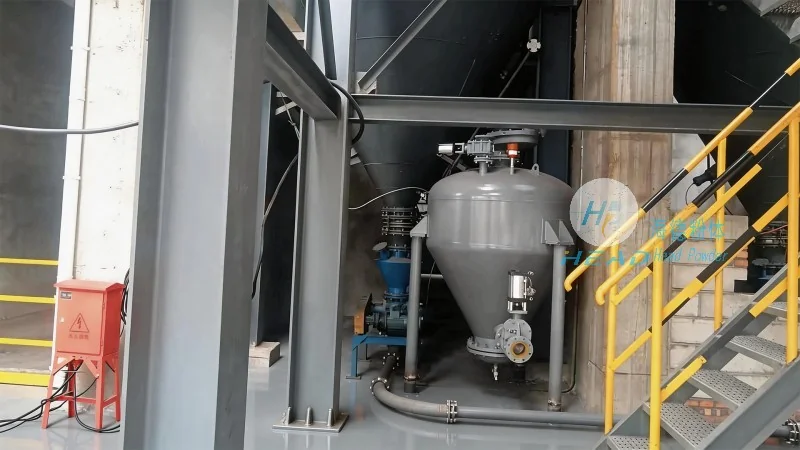
Pneumatic conveying systems, on the other hand, use air pressure to transport materials through a pipeline. This method is particularly effective for handling fine powders and granular materials, as it minimizes material degradation and reduces the risk of contamination. The system typically consists of a blower, a hopper, and a pipeline network, with the material being carried by a stream of air. Pneumatic conveyors are often used for longer distances and in applications where dust control is a priority.
Control and Automation Systems
Modern material conveying systems for rice and flour are equipped with advanced control and automation features that enhance operational efficiency and safety. These systems use sensors and control panels to monitor the flow rate, pressure, and temperature of the material, ensuring that the process runs smoothly and without interruptions. Automation also allows for remote monitoring and control, enabling operators to adjust settings as needed without being physically present at the site. This not only improves productivity but also reduces labor costs and minimizes the risk of human error.
Benefits and Applications
The operation process and working principles of rice and flour material conveying systems offer several benefits to food processing businesses. These systems enhance productivity by reducing the time and labor required for material handling, allowing for faster processing and increased output. They also ensure consistent quality by maintaining a uniform flow of materials, which minimizes variations in product quality. Additionally, the use of advanced control systems improves safety by preventing accidents and ensuring that the equipment operates within safe parameters.
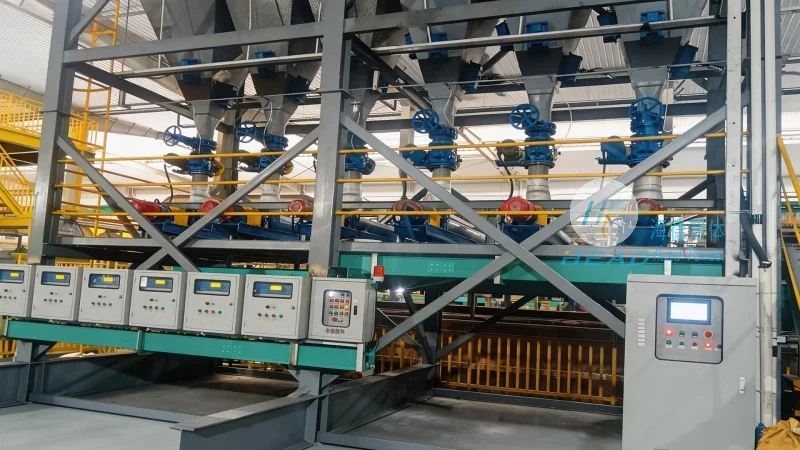
HeadPowder's material conveying systems are widely used in various applications, including rice mills, flour mills, and other food processing facilities. They are designed to handle different types of materials and can be customized to meet the specific requirements of each client. Whether it's a small-scale operation or a large industrial facility, our systems provide reliable and efficient material handling solutions that help businesses improve their bottom line.
Conclusion
In conclusion, the operation process and working principles of rice and flour material conveying systems are critical to the efficiency and success of food processing operations. By understanding the step-by-step process and the key technologies involved, businesses can make informed decisions about their material handling equipment and improve their overall productivity. HeadPowder, with its expertise and commitment to quality, offers reliable and innovative solutions that meet the needs of the modern food processing industry.




