Iron sand material conveying systems are integral to industrial operations, particularly in sectors dealing with heavy mineral processing and construction material handling. The efficient movement of iron sand from one location to another is crucial for maintaining production line continuity and optimizing resource utilization. This article delves into the operational process and underlying principles governing iron sand material conveying, highlighting key components, control mechanisms, and the overall workflow that ensures smooth and reliable material transport.
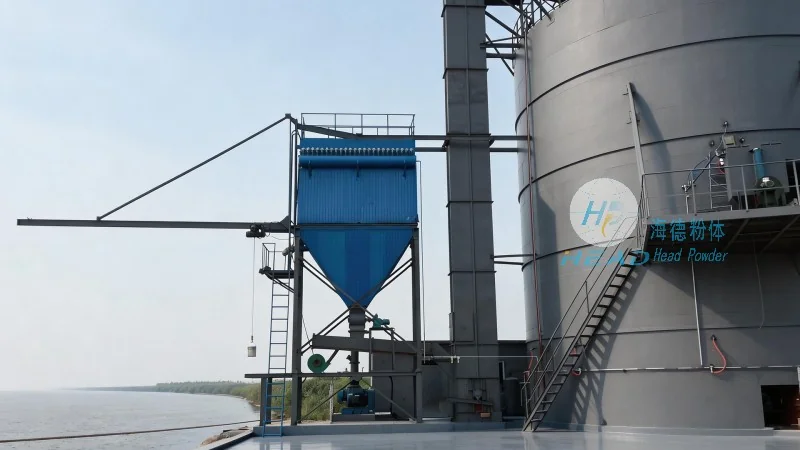
Overview of Iron Sand Material Conveying Systems
Iron sand, a form of iron ore with high iron content, is commonly used in steel production, foundry work, and as a raw material in various industrial applications. The conveying of iron sand involves a series of mechanical and control systems designed to handle the material's physical properties, such as its density, abrasiveness, and flow characteristics. A typical iron sand conveying system comprises several core components, including feeders, conveyors (e.g., belt conveyors, screw conveyors), control panels, and safety devices. Each component plays a vital role in the seamless transfer of iron sand from the source to the destination, ensuring minimal downtime and maximum throughput.
Key Components and Their Functions
The heart of an iron sand material conveying system lies in its components, each engineered to address specific operational needs. The feeders are responsible for uniformly distributing the iron sand into the conveyor system, preventing overloading or uneven flow that could lead to blockages or equipment damage. Common feeder types include vibratory feeders and belt feeders, which adjust the material feed rate based on the system's requirements. The conveyor itself—often a belt conveyor for bulk material handling—transports the iron sand horizontally or at an incline, depending on the layout of the production facility. Belt conveyors are preferred for iron sand due to their ability to handle high volumes and abrasive materials without significant wear. Additionally, screw conveyors may be used for vertical or inclined transport, providing a compact solution for moving iron sand between different elevation levels. The control panel is another critical component, housing sensors, motors, and control logic that regulate the speed of the conveyor, adjust the feeder output, and monitor system performance. Safety features, such as emergency stop buttons and overload protection, are integrated into the control panel to prevent accidents and equipment failure. Finally, safety devices like guards and interlocks ensure that the system operates within safe parameters, protecting both personnel and machinery from potential hazards.
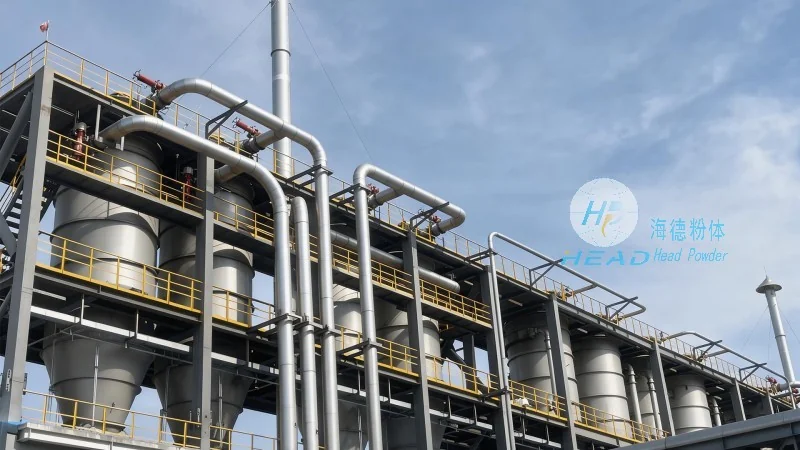
Operation Process of Iron Sand Material Conveying
The operation of an iron sand material conveying system follows a systematic workflow that ensures consistent and efficient material transport. The process begins with the material intake, where iron sand is fed into the system from a storage hopper or raw material source. The feeder then regulates the flow of iron sand, ensuring a steady stream is delivered to the conveyor. As the iron sand moves along the conveyor belt, it is transported to the desired location, such as a processing plant, storage silo, or discharge point. The conveyor's speed is controlled by the system's control panel, which adjusts based on real-time conditions like material volume or system load. At the discharge end, the iron sand is released into a receiving container or directly into the next stage of processing. Throughout the operation, sensors monitor key parameters such as belt tension, material level, and motor speed, providing feedback to the control panel for adjustments. This closed-loop control system ensures that the conveying process remains stable and responsive to changes in production demands.
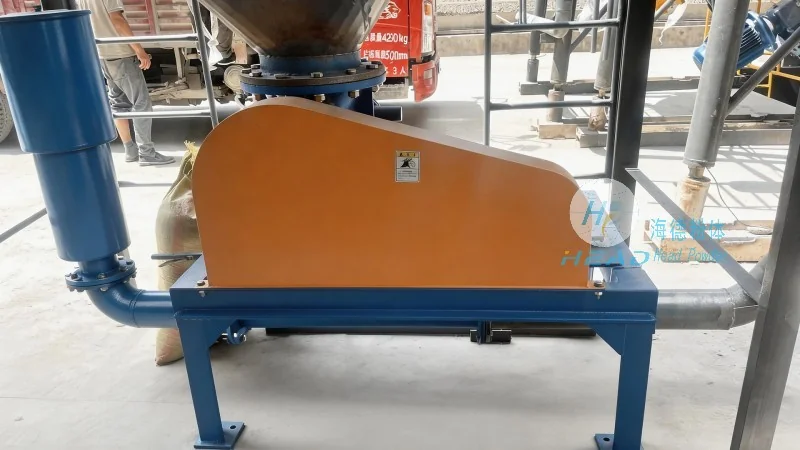
Working Principle of Iron Sand Material Conveying
The working principle of iron sand material conveying is rooted in the mechanics of material handling and the control of fluid dynamics. The primary goal is to transfer iron sand from a source to a destination using mechanical energy, while minimizing energy loss and ensuring material integrity. The system operates on the principle of continuous flow, where the conveyor belt continuously moves the iron sand, creating a steady stream of material. The feeder's role is to maintain a consistent material feed rate, preventing surges or gaps that could disrupt the conveyor's operation. The conveyor belt, typically made of durable materials like rubber or polyurethane, is driven by a motor that rotates the pulleys, propelling the belt forward. The friction between the belt and the iron sand, combined with the belt's movement, ensures that the material is transported efficiently. For inclined or vertical transport, the conveyor's angle and the screw mechanism's rotation provide the necessary force to move the iron sand against gravity. The control panel uses sensors to detect changes in material level or belt tension, adjusting the motor speed or feeder output to maintain optimal operation. This feedback mechanism ensures that the system adapts to varying conditions, such as changes in iron sand moisture content or bulk density, which can affect the conveying efficiency. Overall, the working principle emphasizes the integration of mechanical components with control systems to achieve reliable and efficient iron sand transport.
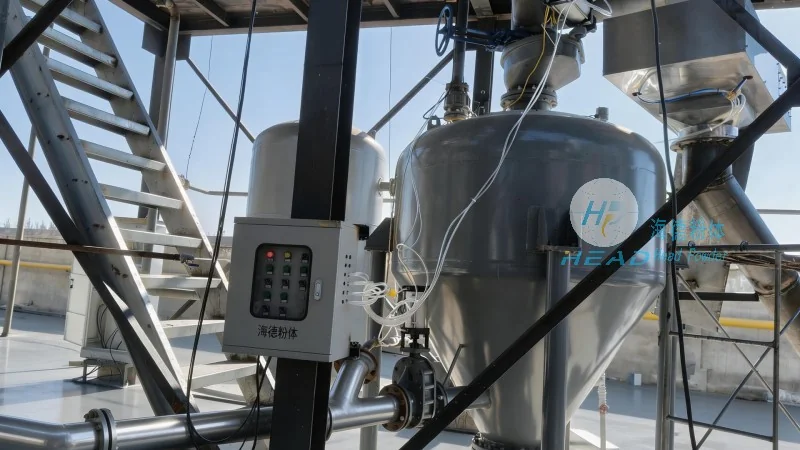
Applications and Benefits of Iron Sand Material Conveying
Iron sand material conveying systems are widely used in various industrial applications, including mining, steel manufacturing, and construction material processing. In mining operations, these systems transport iron sand from ore extraction sites to processing plants, enabling efficient extraction of valuable minerals. In steel production, iron sand is used as a raw material for iron and steel manufacturing, and conveying systems ensure a steady supply of material to the blast furnaces or smelting facilities. In construction, iron sand is used as a component in concrete and asphalt production, and conveying systems facilitate the transport of the material to mixing plants. The benefits of iron sand material conveying systems include improved production efficiency, reduced labor costs, and enhanced safety through automated control and monitoring. By minimizing manual handling and reducing the risk of material spillage or accidents, these systems contribute to a more sustainable and cost-effective operation. Additionally, the use of durable materials and advanced control systems extends the lifespan of the equipment, reducing maintenance costs and downtime.
Conclusion and Company Information
Iron sand material conveying systems are essential for the efficient and reliable transport of iron sand in industrial settings. The operation process, which involves coordinated components and control mechanisms, ensures that material is moved safely and effectively from source to destination. The working principle, based on mechanical energy and feedback control, optimizes the conveying process to adapt to changing conditions and maintain consistent performance. The applications of these systems span multiple industries, highlighting their versatility and importance in modern production. As a leading provider of material handling solutions, Shandong HeadPowder Engineering Co., Ltd. specializes in designing and manufacturing iron sand conveying systems tailored to the specific needs of industrial clients. With a focus on quality, reliability, and customer satisfaction, HeadPowder delivers innovative solutions that enhance operational efficiency and support sustainable industrial practices. Located in Shandong, China, HeadPowder leverages its expertise in engineering and manufacturing to provide comprehensive material handling solutions for clients worldwide. By combining advanced technology with practical design, HeadPowder ensures that iron sand material conveying systems meet the highest standards of performance and safety, supporting the growth and success of industrial operations.




