

Operation Process and Working Principle of an Automatic Material Feeding and Conveying System
HeadPowder, a leading provider in the field of material handling solutions, specializes in the design, manufacturing, and implementation of advanced automatic material feeding and conveying systems. These systems are engineered to enhance efficiency, precision, and safety in various industrial applications, from pharmaceuticals and food processing to chemical manufacturing and beyond. The following article delves into the operational workflow and underlying principles of such a system, highlighting the key components and their collaborative functions.
Company Overview and Expertise
HeadPowder Engineering Co., Ltd., headquartered in Shandong, China, has established itself as a trusted name in the engineering sector, focusing on innovative solutions for material handling challenges. With a team of experienced engineers and technicians, the company leverages cutting-edge technology to develop customized systems that meet the specific needs of clients across diverse industries. The company's commitment to quality, reliability, and customer satisfaction is reflected in its state-of-the-art facilities and rigorous testing protocols.
System Components and Design Philosophy
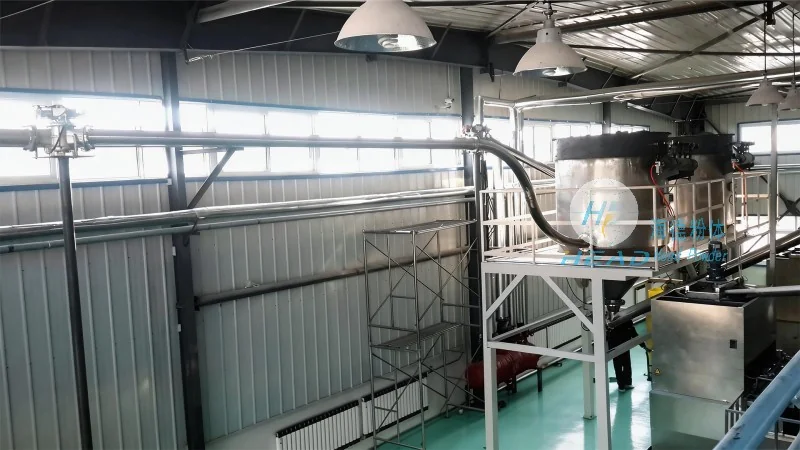
The automatic material feeding and conveying system typically comprises several integrated components, each playing a critical role in the overall operation. Key elements include a material hopper for storage, a feeding mechanism (such as a screw feeder or vibratory feeder) to control the flow of material, a conveyor system (e.g., belt or chain conveyor) to transport the material to the processing unit, and a control unit equipped with sensors and programmable logic controllers (PLCs). The design philosophy emphasizes modularity and adaptability, allowing for seamless integration with existing production lines and future scalability.
Working Principle: Step-by-Step Operation
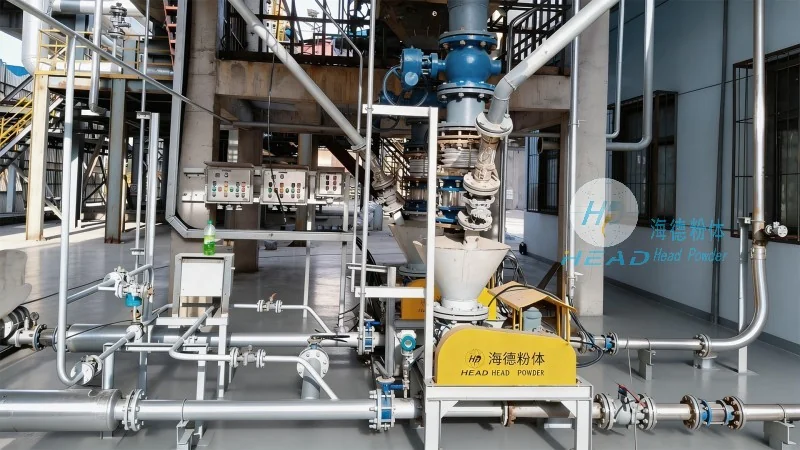
The system operates through a series of coordinated actions, starting with the loading of raw materials into the hopper. The control unit monitors the material level and initiates the feeding process when the hopper reaches a predefined threshold. The feeding mechanism then regulates the flow rate, ensuring a consistent and controlled supply of material to the conveyor. As the material moves along the conveyor, it is transported to the processing station, where it is further handled or processed as required. Sensors are strategically placed throughout the system to detect any deviations, such as blockages or uneven flow, triggering automatic adjustments to maintain optimal performance.
Key Features and Benefits
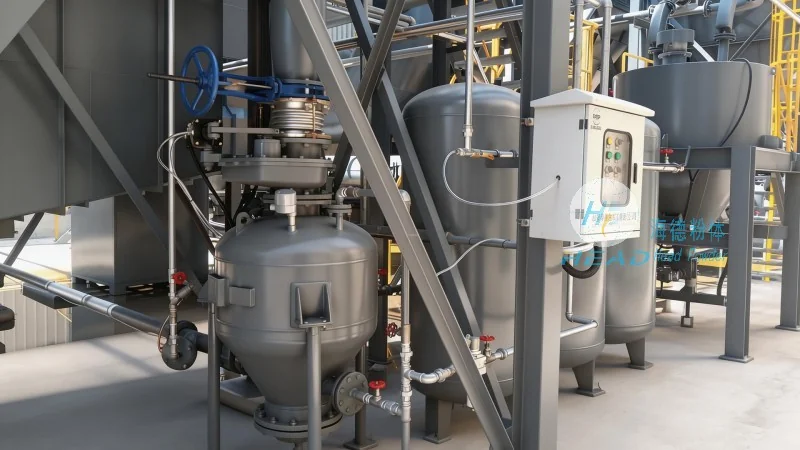
HeadPowder's automatic material feeding and conveying systems are equipped with several features that enhance their functionality and user experience. These include real-time monitoring capabilities, allowing operators to track material levels and system performance from a central control panel. The systems also incorporate safety features, such as emergency stop buttons and overload protection, to prevent accidents and ensure compliance with industry standards. Additionally, the modular design enables easy maintenance and component replacement, reducing downtime and operational costs. The primary benefits of these systems include increased productivity, reduced labor costs, improved material handling accuracy, and enhanced workplace safety.
Application Scenarios and Industry Impact
The versatility of HeadPowder's automatic material feeding and conveying systems makes them suitable for a wide range of applications. In the pharmaceutical industry, these systems ensure the precise and hygienic handling of raw materials, adhering to stringent regulatory requirements. In food processing, they maintain cleanliness and prevent contamination, while in chemical manufacturing, they handle hazardous materials with precision and safety. The systems contribute significantly to improving production efficiency, reducing human error, and optimizing resource utilization across various industrial sectors.