Efficient and reliable conveying of powder carbon additives is crucial in modern industrial applications, particularly in steelmaking and other high-temperature processes. The equipment designed for this purpose plays a vital role in ensuring consistent material flow, minimizing downtime, and enhancing overall production efficiency. This article provides a detailed overview of the operation process and working principle of powder carbon additive conveying equipment, highlighting the technical aspects and operational considerations that contribute to its effectiveness.
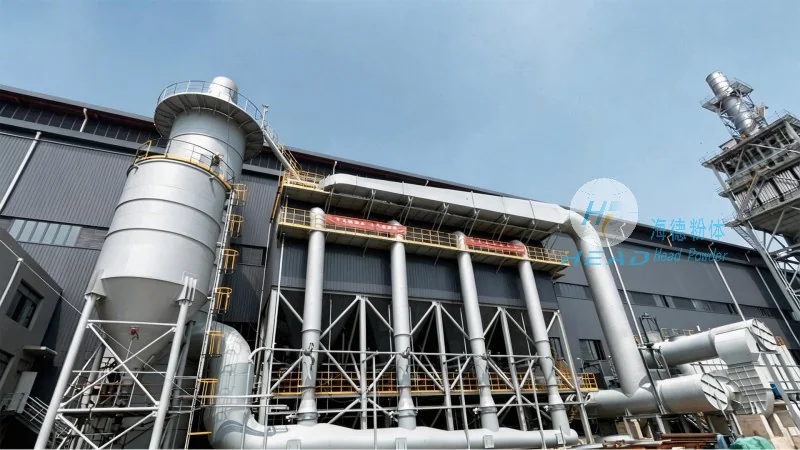
Company Introduction: Shandong HeadPowder Engineering Co., Ltd.
As a leading manufacturer in the field of powder handling and conveying systems, Shandong HeadPowder Engineering Co., Ltd. specializes in providing high-quality solutions tailored to the specific needs of industrial clients. With a strong commitment to innovation and precision engineering, the company has established itself as a trusted partner for businesses seeking reliable equipment for handling carbon additives and other fine powders. HeadPowder's expertise lies in designing and manufacturing equipment that meets stringent industry standards, ensuring durability, safety, and optimal performance in demanding operational environments.
Overview of Powder Carbon Additive Conveying Equipment
Powder carbon additive conveying equipment is specifically engineered to transport fine carbon powders, such as calcined petroleum coke or anthracite, from storage silos or bulk containers to processing units. The primary goal of this equipment is to achieve a smooth, continuous, and controlled flow of material, which is essential for maintaining consistent quality in downstream processes. The system typically comprises several key components, including feeders, conveyors, and control mechanisms, all working in tandem to ensure efficient material transfer.
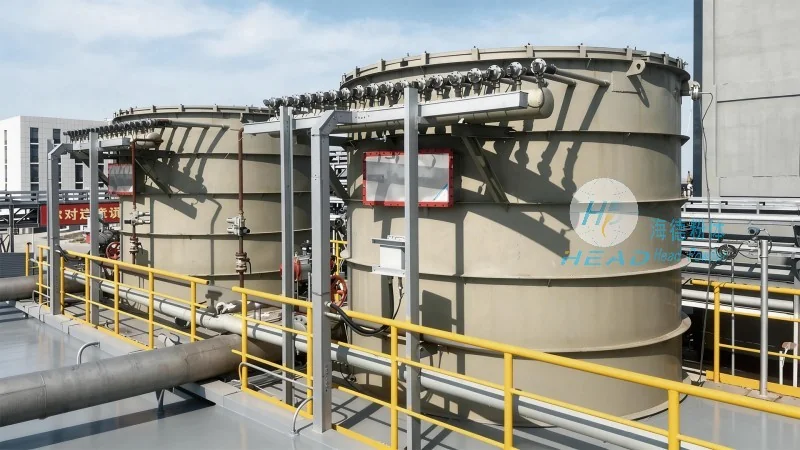
Operation Process of the Conveying Equipment
The operation process of powder carbon additive conveying equipment involves several sequential steps that ensure the safe and efficient movement of material. The process begins with the storage of carbon additives in bulk containers or silos. From there, the material is fed into a feeder, which regulates the flow rate and consistency of the powder. The feeder then transfers the material to a conveyor system, which may include pneumatic or mechanical components depending on the specific design. The conveyor transports the powder to the processing unit, where it is used in various applications, such as steelmaking or foundry operations. Throughout the process, the equipment is equipped with sensors and control systems to monitor parameters like flow rate, pressure, and temperature, ensuring that any deviations are immediately detected and corrected.
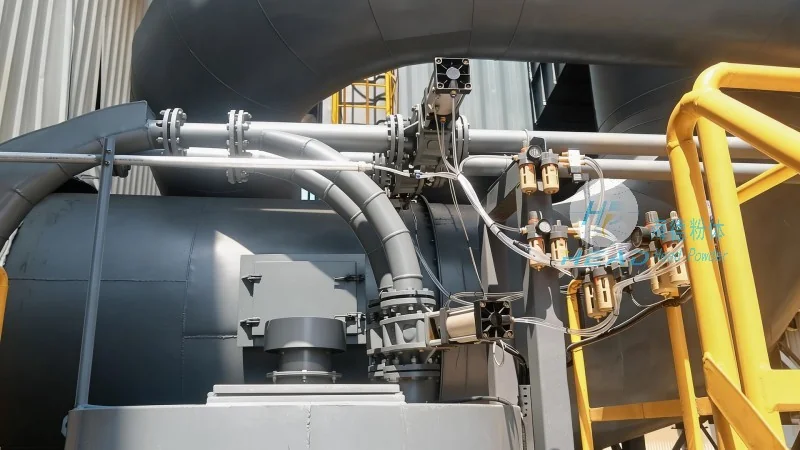
Working Principle of the Conveying Equipment
The working principle of powder carbon additive conveying equipment is based on the principles of fluidization and pneumatic transport. In pneumatic conveying systems, compressed air is used to create a flow of air and powder mixture, which is then transported through a pipeline to the destination. The equipment may use positive or negative pressure systems, depending on the application requirements. Positive pressure systems use air to push the powder forward, while negative pressure systems use suction to draw the material. The design of the conveying system, including the size and shape of the pipes, the type of valves, and the placement of filters, all contribute to the efficiency and effectiveness of the material transport. Additionally, the equipment incorporates safety features, such as explosion-proof designs and dust collection systems, to protect operators and the environment from potential hazards associated with fine powder handling.
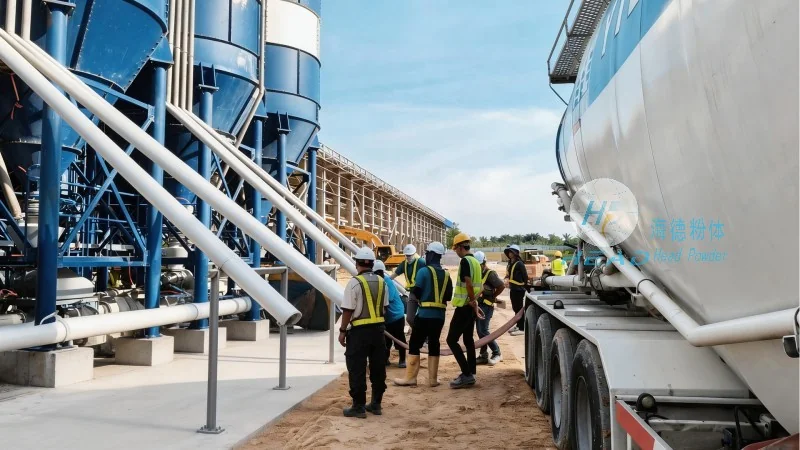
Key Features and Benefits of the Equipment
Shandong HeadPowder Engineering Co., Ltd.'s powder carbon additive conveying equipment offers several key features and benefits that enhance its performance and reliability. The equipment is designed with high-quality materials, such as stainless steel and corrosion-resistant alloys, to withstand the harsh conditions of industrial environments. It also incorporates advanced control systems that allow for precise regulation of material flow, ensuring consistent quality in downstream processes. The system is equipped with automatic start-up and shut-down features, reducing the risk of human error and improving operational safety. Furthermore, the equipment is easy to maintain and service, with accessible components and clear operational instructions, minimizing downtime and maintenance costs. The benefits of using this equipment include improved production efficiency, reduced material loss, enhanced safety, and compliance with environmental regulations.
Conclusion
In conclusion, the operation process and working principle of powder carbon additive conveying equipment are critical to the efficient handling of fine carbon powders in industrial applications. Shandong HeadPowder Engineering Co., Ltd. provides high-quality equipment that meets the demands of modern industry, ensuring reliable and safe material transport. By understanding the technical aspects and operational considerations of this equipment, businesses can optimize their processes and achieve better results in their production activities. The continued development and improvement of such equipment will play a vital role in enhancing the efficiency and sustainability of industrial operations worldwide.




