Automatic material handling conveyors are integral to modern industrial operations, providing efficient and reliable transportation of goods within manufacturing facilities, warehouses, and distribution centers. These systems streamline material flow, reduce manual labor, and enhance overall productivity by automating the movement of raw materials, finished products, and intermediate components. Understanding the operation process and working principle of such conveyors is crucial for optimizing production lines and ensuring smooth workflow in various industrial applications.
Overview of Automatic Material Handling Conveyors
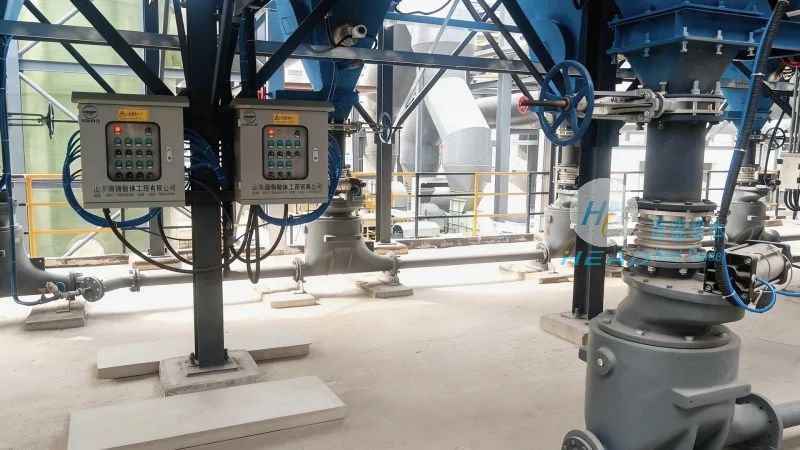
Automatic material handling conveyors, commonly referred to as material conveyors or automated conveyor systems, are designed to transport materials from one location to another with minimal human intervention. They are widely used in industries such as manufacturing, logistics, and warehousing to improve operational efficiency and reduce costs associated with manual material handling. The design and functionality of these systems vary based on the specific requirements of the application, including the type of materials being handled, the distance to be covered, and the speed of operation.
Key Components of Automatic Material Handling Conveyors
Automatic material handling conveyors typically consist of several key components that work in tandem to facilitate material movement. These components include: conveyor belts or rollers, drive mechanisms, control systems, sensors, and supporting structures. The conveyor belt or rollers provide the surface for the material to move along, while the drive mechanism (such as electric motors or hydraulic systems) powers the movement. Control systems, often integrated with programmable logic controllers (PLCs), regulate the speed and direction of the conveyor. Sensors are used to detect the presence or absence of materials, ensuring proper alignment and preventing jams. Supporting structures, such as frames and supports, provide stability and durability to the entire system.
The Operation Process of Automatic Material Handling Conveyors
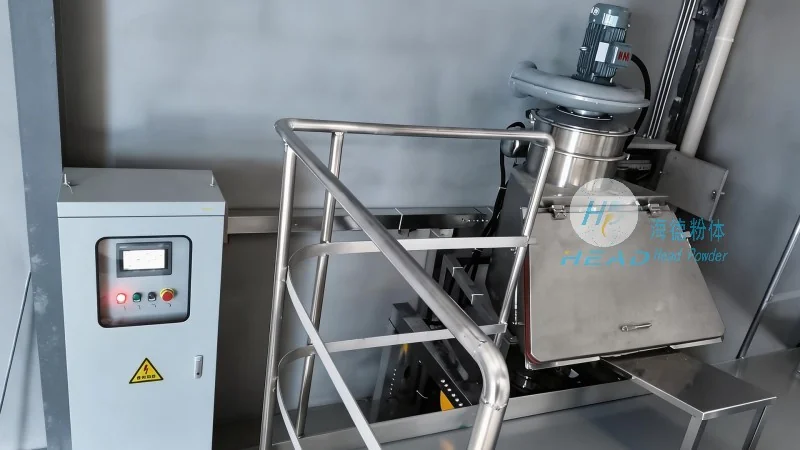
The operation process of automatic material handling conveyors involves several sequential steps that ensure the smooth and efficient movement of materials. The process typically begins with the loading of materials onto the conveyor system. This can be done manually or through automated loading mechanisms, such as hoppers or feeders. Once the materials are loaded, the conveyor system starts operating, moving the materials along the designated path. The speed of the conveyor is controlled by the drive mechanism and the control system, which can be adjusted based on the type of material and the required throughput. As the materials move along the conveyor, they may encounter various components, such as sorters, dividers, or elevators, which direct them to the appropriate destination. The process continues until the materials reach the end of the conveyor system, where they are unloaded and transferred to the next stage of production or storage.
Working Principle of Automatic Material Handling Conveyors
The working principle of automatic material handling conveyors is based on the conversion of electrical energy into mechanical energy to drive the movement of materials. The drive mechanism, usually an electric motor, is connected to a pulley or gear system that rotates the conveyor belt or rollers. The rotation of the belt or rollers creates friction, which propels the materials placed on them forward. The control system, often integrated with sensors, monitors the position and speed of the materials, ensuring that the conveyor operates within the desired parameters. This closed-loop control system allows for precise regulation of the conveyor's speed and direction, preventing overloading, jams, or other operational issues. Additionally, the system may incorporate safety features, such as emergency stop buttons or safety sensors, to protect operators and prevent damage to the equipment.
Applications and Benefits of Automatic Material Handling Conveyors
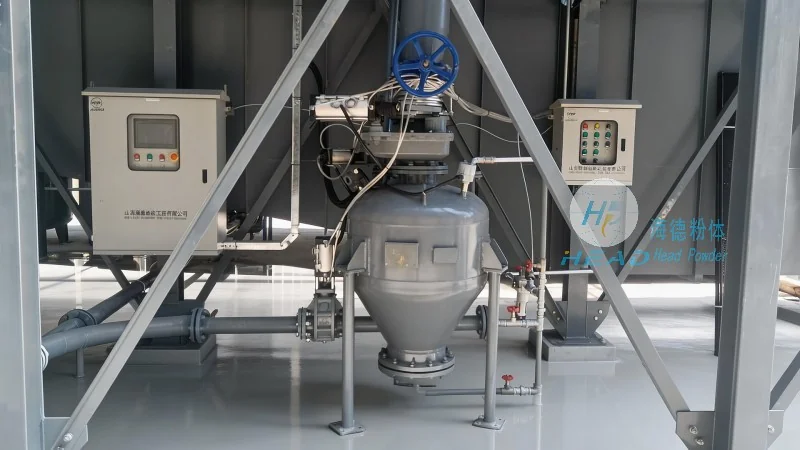
Automatic material handling conveyors are used in a wide range of applications across various industries. In manufacturing, they are used to transport raw materials to production lines, move finished products to packaging areas, and transfer intermediate components between different stages of production. In logistics and warehousing, they are used to move goods between storage racks, sort items based on destination, and deliver products to shipping docks. The benefits of using automatic material handling conveyors include increased productivity, reduced labor costs, improved safety, and enhanced accuracy in material handling. These systems can operate continuously for long periods, minimizing downtime and maximizing output. Additionally, they can be integrated with other automation systems, such as robotics and warehouse management software, to create a fully automated production environment.
Customization and Integration with HeadPowder Engineering
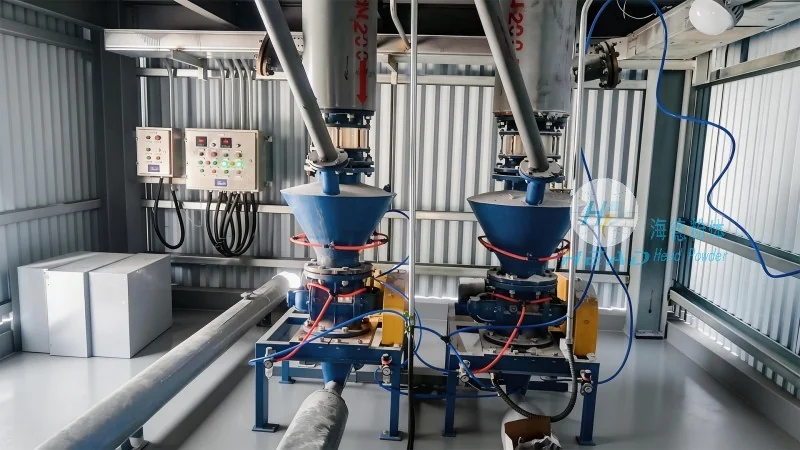
HeadPowder Engineering, a leading manufacturer of automatic material handling solutions, offers customized conveyor systems tailored to the specific needs of their clients. With years of experience in the industry, HeadPowder provides a wide range of conveyor solutions, including belt conveyors, roller conveyors, chain conveyors, and automated sorting systems. The company's team of engineers works closely with clients to understand their operational requirements and design a conveyor system that meets their specific needs. HeadPowder's conveyors are designed with durability, efficiency, and reliability in mind, ensuring long-term performance and minimal maintenance. The company also offers integration services to connect the conveyor systems with other automation equipment, such as robots and warehouse management software, to create a seamless and efficient production line.
Conclusion
Automatic material handling conveyors are essential components of modern industrial operations, providing efficient and reliable transportation of materials. Understanding the operation process and working principle of these systems is crucial for optimizing production lines and ensuring smooth workflow. With the right design and implementation, automatic material handling conveyors can significantly improve productivity, reduce costs, and enhance overall operational efficiency. HeadPowder Engineering, with its expertise and customized solutions, is a trusted partner for businesses seeking to implement effective material handling systems.




