Automatic continuous material conveying lines are pivotal in modern industrial production, designed to facilitate the efficient transportation of materials across various processing stages. These systems are engineered to enhance production efficiency, reduce labor costs, and ensure consistent material flow, making them essential in industries such as chemical, food processing, and packaging. The operation of these lines is based on a combination of mechanical, electrical, and control technologies, all integrated to achieve high reliability and adaptability. As a leading manufacturer in this field, Shandong HeadPowder Engineering Co., Ltd. (headpowder) specializes in developing customized conveying solutions tailored to specific industrial needs, ensuring optimal performance and safety.
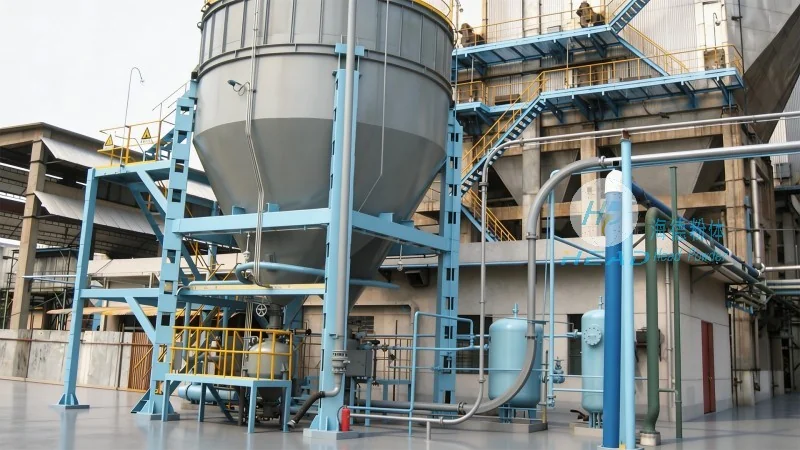
Key Components of a Conveying Line
The core of an automatic continuous material conveying line comprises several critical components that work in unison to enable smooth operation. The primary components include the conveyor system itself, which may consist of belt conveyors, screw conveyors, or chain conveyors, selected based on material characteristics and application requirements. Drive units, such as electric motors and gearboxes, provide the necessary power to move the conveyor. Control systems, often incorporating programmable logic controllers (PLCs) and human-machine interfaces (HMIs), manage the operation, monitoring parameters like speed, load, and position. Sensors, including photoelectric sensors, level detectors, and proximity switches, provide real-time feedback to the control system, enabling automatic adjustments and preventing malfunctions. Safety devices, such as emergency stop buttons and safety interlocks, are integrated to protect operators and equipment from potential hazards.
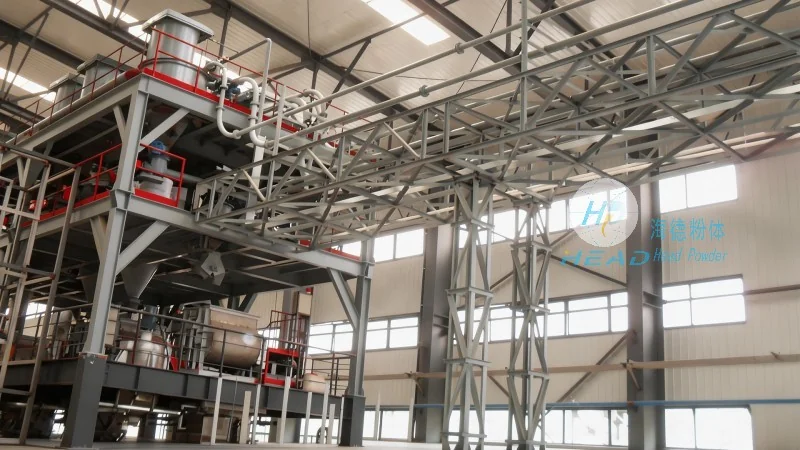
Working Principle of the Conveying Process
The working principle of an automatic continuous material conveying line involves the sequential movement of materials through different processing stages. The process typically begins with material feeding, where raw materials are introduced into the system via hoppers or feeders. The conveyor then transports the material to the next processing station, such as a mixer, dryer, or packaging unit. The control system coordinates the timing and speed of each conveyor segment to ensure materials are delivered at the correct rate and in the right sequence. For example, in a powder handling application, the conveyor may be synchronized with a weighing system to ensure accurate dosing. Sensors detect the presence or absence of material, triggering the conveyor to start or stop as needed. The entire system operates in a closed-loop manner, where feedback from sensors is continuously processed by the control unit to maintain optimal performance.
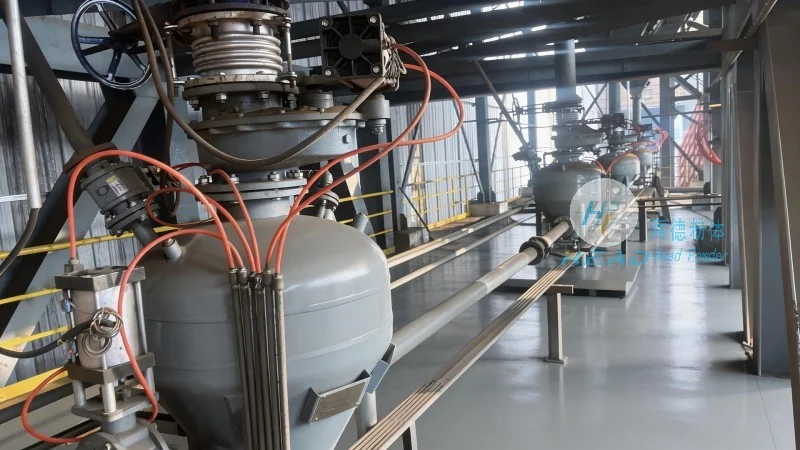
Operation Process: Step-by-Step Overview
The operation of an automatic continuous material conveying line follows a systematic sequence of steps, ensuring efficient material handling. The process starts with system initialization, where the control system checks all components for proper operation. Once confirmed, the conveyor is activated, and material is fed into the system. The conveyor then transports the material to the first processing stage, where it may undergo mixing, blending, or other transformations. After processing, the material is conveyed to the next stage, such as packaging or storage. The control system monitors the entire process, adjusting conveyor speeds and feeding rates based on real-time data from sensors. If an issue is detected, such as a blockage or overload, the system automatically stops and alerts operators. The process continues until the production cycle is complete, with the system maintaining consistent performance throughout. This step-by-step operation ensures that materials are handled safely and efficiently, minimizing waste and maximizing productivity.
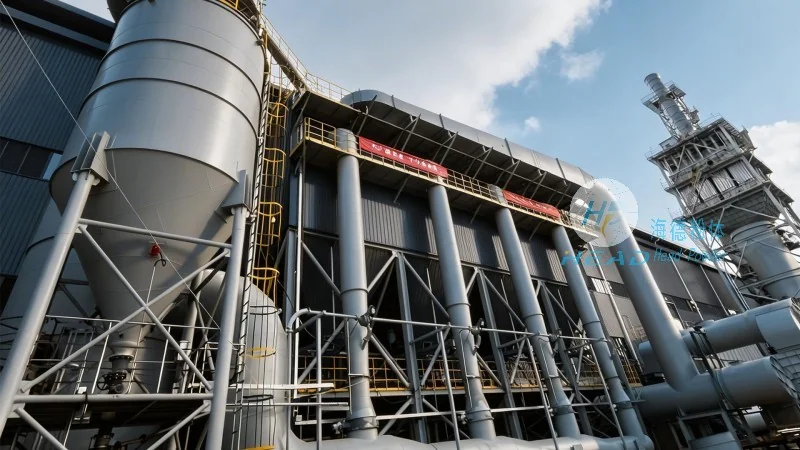
Advantages and Applications
Automatic continuous material conveying lines offer numerous advantages in industrial settings, making them indispensable for modern manufacturing. Key benefits include increased production efficiency, reduced labor costs, improved material handling accuracy, and enhanced safety. These systems are particularly effective in applications where large volumes of materials need to be transported over long distances or through multiple processing stages. For instance, in the chemical industry, conveying lines are used to transport bulk chemicals from storage to reactors, while in the food and beverage sector, they handle raw ingredients and packaged products with precision. The adaptability of these systems allows them to be customized for specific material types and production requirements, ensuring optimal performance in diverse environments. By integrating advanced control and sensor technologies, conveying lines can also provide real-time data for process optimization and quality control, further enhancing their value in modern industrial operations.




