HeadPowder, a leading manufacturer based in Shandong, China, specializes in the design and production of advanced weighing and feeding material conveying systems. These lines are essential in various industrial applications, particularly in sectors requiring precise material handling and consistent feed rates. The following content provides a detailed overview of the operation process and working principles of such systems, highlighting the key components and their functional roles.
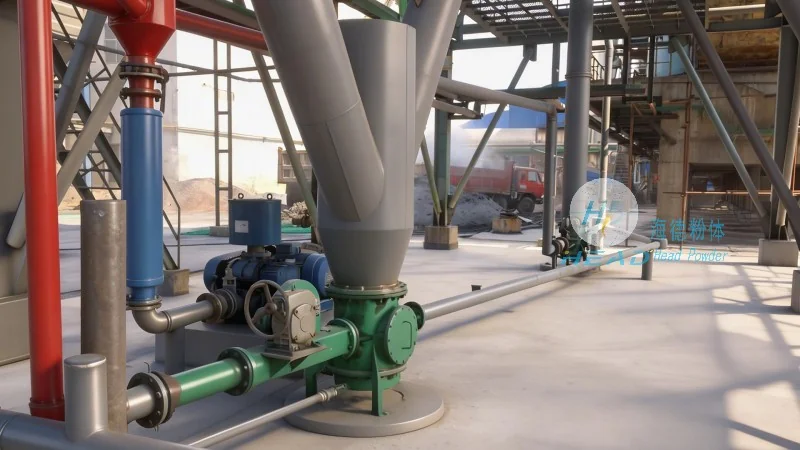
Key Components of the Conveying Line
The weighing and feeding material conveying line typically consists of several integrated components that work in tandem to ensure efficient material transport and accurate weighing. The primary components include a conveyor system, a weighing hopper or scale, feeding mechanisms, control panels, and sometimes auxiliary equipment like storage silos or dust collection systems. Each component plays a critical role in the overall functionality of the line.
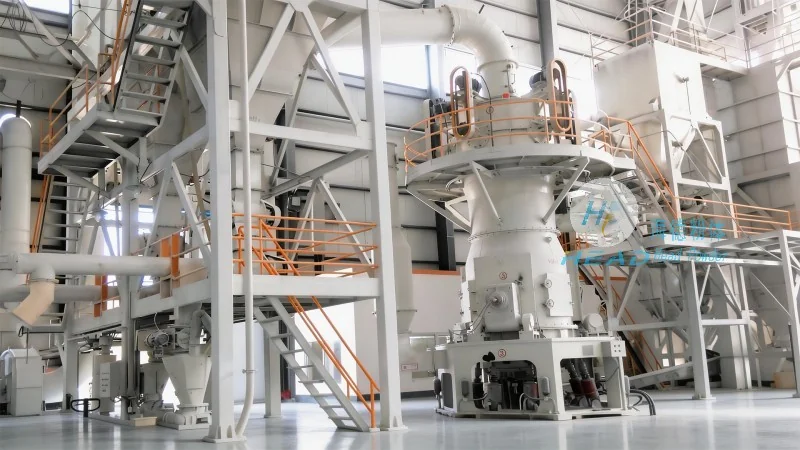
The Operation Process: Step-by-Step Overview
The operation of a weighing and feeding material conveying line follows a systematic sequence to achieve optimal performance. The process begins with the material being fed from a storage silo or hopper into the conveyor system. The conveyor then transports the material to the weighing hopper, where it is weighed to determine the exact mass of the material being handled. Once the desired weight is achieved, the material is discharged from the hopper into the downstream processing equipment or storage area. The control system continuously monitors the weight and flow rate, adjusting the feeding speed to maintain the set target weight. This closed-loop control ensures consistent and accurate material delivery, minimizing variations and improving overall process efficiency.
Working Principle: How the System Ensures Precision
The working principle of the weighing and feeding material conveying line is based on the integration of mechanical, electrical, and control technologies. The weighing hopper is equipped with load cells that convert the weight of the material into electrical signals. These signals are transmitted to the control panel, which processes the data and compares it with the set weight parameters. If the actual weight is below the target, the control system increases the feeding rate; if it exceeds the target, the feeding rate is reduced. This feedback mechanism ensures that the material is fed at a rate that maintains the desired weight, preventing overfeeding or underfeeding. The conveyor system, often equipped with variable speed drives, adjusts its speed based on the control signals to regulate the flow of material into the weighing hopper. The feeding mechanisms, such as screw feeders or belt feeders, are also controlled by the system to match the conveyor speed and maintain a stable flow rate.
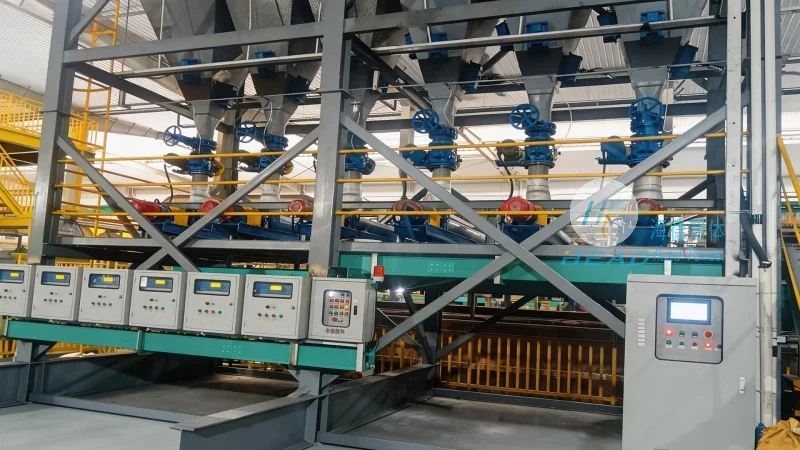
Advantages and Applications
These conveying lines offer several advantages, including high accuracy in material weighing, consistent feed rates, and improved process control. They are widely used in industries such as cement production, chemical processing, mining, and food processing, where precise material handling is crucial for product quality and process efficiency. The systems are designed to handle a variety of materials, from powders and granules to bulk solids, and can be customized to meet specific application requirements. The robust construction and advanced control systems ensure long-term reliability and minimal downtime, making them a cost-effective solution for industrial material handling needs.




