At Shandong HeadPowder Engineering Co., Ltd., we specialize in the design, manufacturing, and implementation of advanced foam material conveying systems. These systems are engineered to efficiently transport lightweight, porous materials such as foam, insulation, and other lightweight bulk materials. The operation and working principles of these lines are critical for ensuring optimal performance, reliability, and efficiency in industrial applications. This article provides a detailed overview of the operational process and underlying principles that govern the functionality of foam material conveying lines.
Key Components and Their Roles
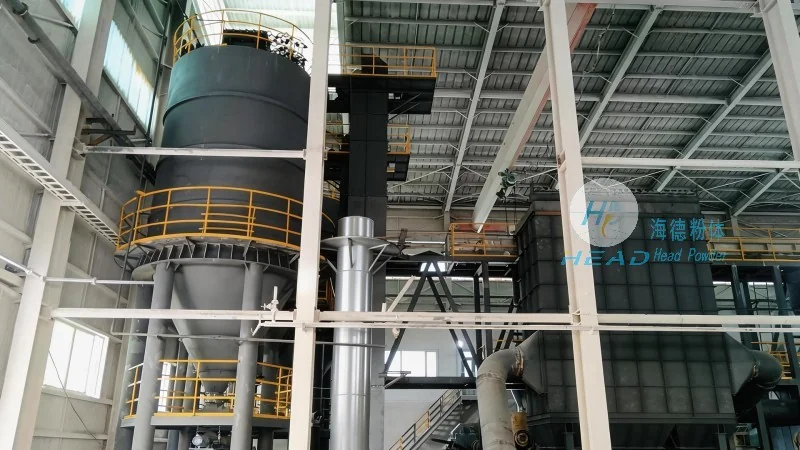
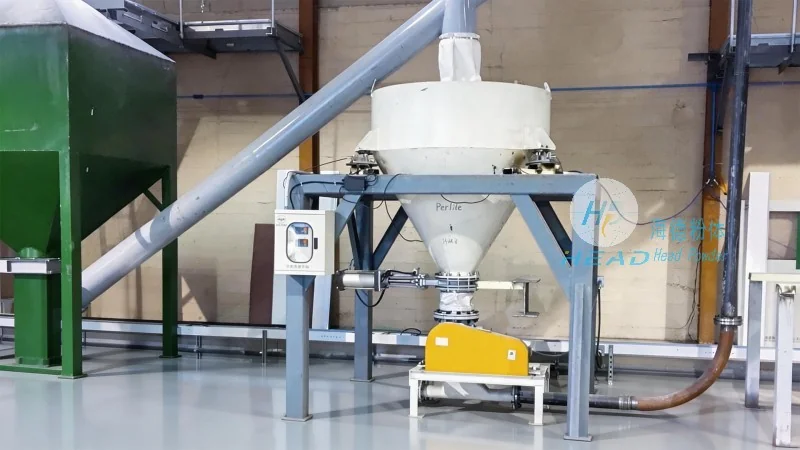
The foam material conveying line typically consists of several key components, each playing a vital role in the overall system. The primary components include the material hopper, feeding mechanism, conveyor belt or screw, control system, and discharge outlet. The material hopper is designed to store the foam material and maintain a consistent feed rate. The feeding mechanism, often a rotary valve or screw feeder, regulates the flow of material into the conveyor. The conveyor itself, which may be a belt conveyor or a screw conveyor, is responsible for transporting the material through the system. The control system monitors and adjusts the speed and flow rate to maintain optimal operation. Finally, the discharge outlet allows the material to be released at the desired location. Each component is carefully selected and integrated to ensure seamless operation and minimal downtime.
The Operational Process: Step-by-Step
The operation of a foam material conveying line begins with the loading of the foam material into the hopper. The material is then fed into the conveyor system through the feeding mechanism. The conveyor transports the material from the hopper to the discharge point. The control system continuously monitors the flow rate and adjusts the speed of the conveyor as needed to maintain a consistent output. The entire process is automated, with minimal human intervention required. The system is designed to handle various types of foam materials, including expanded polystyrene (EPS), polyurethane (PU), and other lightweight, porous materials. The operational process is efficient and reliable, ensuring that the material is transported safely and effectively to its destination.
Working Principle: Mechanisms and Technologies
The working principle of foam material conveying lines is based on the principles of material handling and conveyor technology. The system utilizes a combination of gravity, mechanical force, and control systems to move the material. The conveyor belt or screw rotates, creating a moving surface that pulls the material along. The feeding mechanism ensures a consistent flow of material into the conveyor, preventing blockages and ensuring smooth operation. The control system uses sensors and feedback mechanisms to adjust the speed and flow rate, maintaining optimal performance. The entire system is designed to be energy-efficient and low-maintenance, reducing operational costs and increasing productivity. The working principle is adaptable to various industrial applications, making it a versatile solution for transporting foam materials.
Advantages and Applications
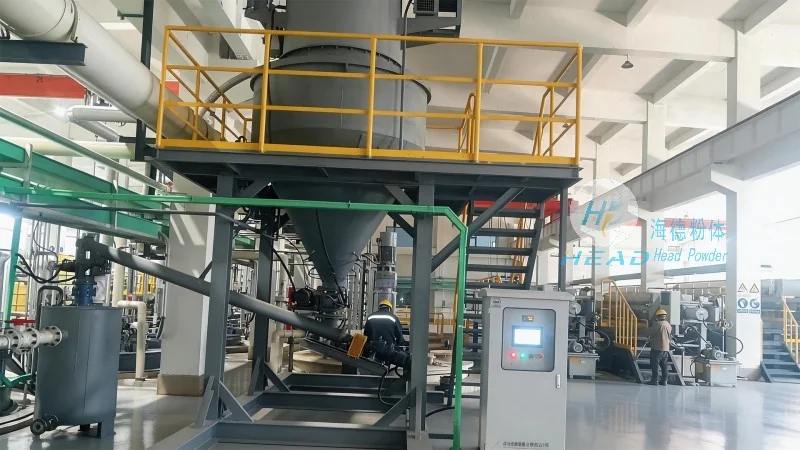
Foam material conveying lines offer several advantages over traditional methods of material handling. These systems are highly efficient, capable of transporting large volumes of material with minimal energy consumption. They are also reliable, with low maintenance requirements and long service life. The systems are adaptable to various industrial applications, including manufacturing, construction, and packaging. They are particularly useful in industries that require the transport of lightweight, porous materials, such as insulation, packaging materials, and agricultural products. The advantages of these systems make them an ideal choice for businesses looking to improve their material handling processes and increase productivity.
Conclusion and Company Overview
Shandong HeadPowder Engineering Co., Ltd. is a leading manufacturer of foam material conveying lines, providing high-quality, reliable systems for industrial applications. Our expertise in material handling and conveyor technology allows us to design and implement systems that meet the specific needs of our clients. We are committed to providing innovative solutions that enhance operational efficiency and reduce costs. Our foam material conveying lines are designed to be durable, efficient, and easy to maintain, ensuring long-term performance and reliability. We are dedicated to delivering superior products and services to our clients, helping them achieve their business goals. With our extensive experience and expertise, we are the ideal partner for businesses seeking to improve their material handling processes.




