For industrial facilities dealing with dry sludge or similar bulk materials, efficient and reliable material handling is crucial. The dry sludge material conveying line, as offered by Shandong HeadPowder Engineering Co., Ltd., is a specialized system designed to transport dry mud or similar powdery materials over long distances with minimal loss and high efficiency. This article delves into the operation process and working principle of such a system, highlighting key components and the technology behind its functionality.
Key Components of the Conveying System
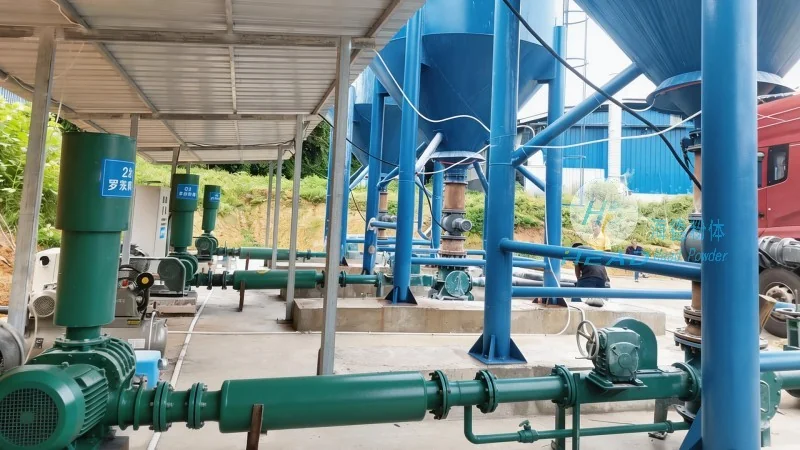
The dry sludge material conveying line typically consists of several core components that work in tandem to ensure smooth material transport. The primary elements include a feeding hopper, a conveyor belt or screw mechanism, a drive system, and a control panel. The feeding hopper is responsible for collecting and storing the dry sludge material, ensuring a consistent feed rate into the conveyor. The conveyor itself, often a belt or screw conveyor, moves the material from the hopper to the discharge point. The drive system provides the necessary power to move the conveyor, while the control panel allows operators to monitor and adjust the system's performance in real-time. Each component is engineered to handle the specific characteristics of dry sludge, such as its low moisture content and fine particle size, ensuring optimal performance.
Working Principle of the Conveying Process
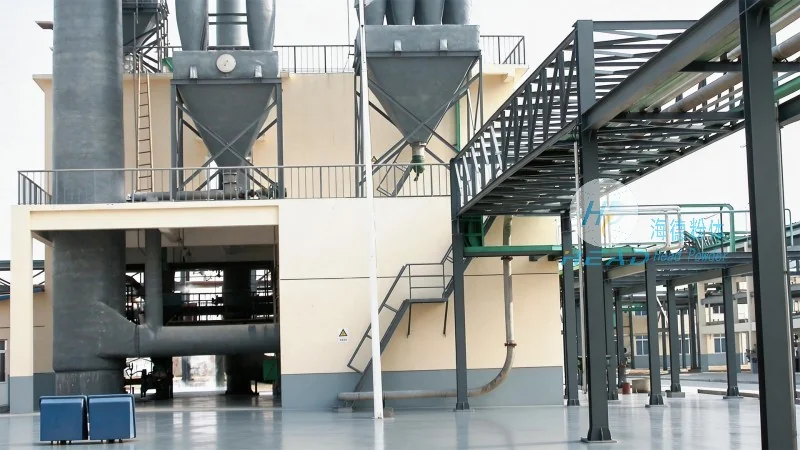
The operation of the dry sludge material conveying line follows a systematic process that begins with material intake and ends with discharge. Initially, dry sludge is fed into the hopper from a storage silo or other collection point. The hopper's design, often with a sloped bottom, facilitates the flow of material into the conveyor. As the material enters the conveyor, it is propelled forward by the rotating belt or screw mechanism. The speed of the conveyor is carefully controlled to maintain a consistent flow rate, preventing material buildup or spillage. The drive system, usually an electric motor connected to a gearbox, provides the torque needed to move the material. The control panel monitors parameters like speed, pressure, and material level, allowing for immediate adjustments if any issues arise. This closed-loop system ensures that the conveying process is both efficient and reliable, minimizing downtime and maximizing throughput.
Advantages of Using a Dry Sludge Material Conveying Line
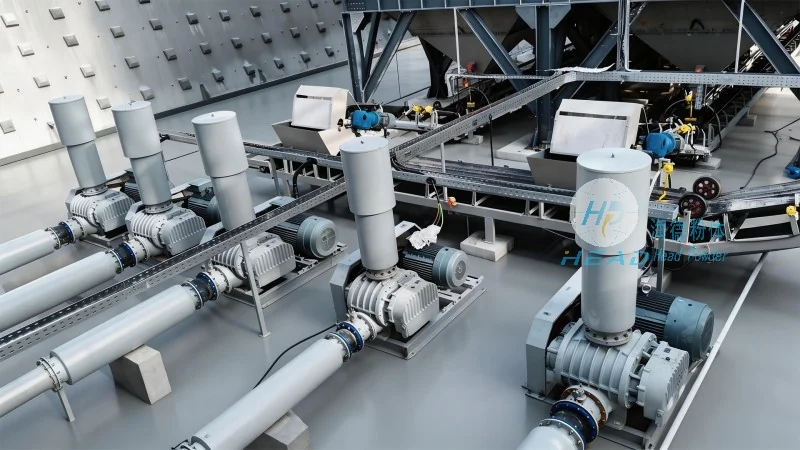
Implementing a dry sludge material conveying line offers several advantages for industrial applications. Firstly, it significantly reduces the risk of material contamination compared to traditional methods like trucks or manual handling. Dry sludge is less prone to caking or clumping, which can cause blockages in other systems. Secondly, the system is highly energy-efficient, with lower power consumption per ton of material transported compared to pneumatic conveying systems. This results in cost savings over time. Thirdly, the enclosed design of the conveyor prevents dust emissions, contributing to a cleaner working environment and compliance with environmental regulations. Additionally, the system can be easily integrated with other industrial processes, such as drying or processing plants, enhancing overall operational efficiency. For facilities in China, particularly in Shandong, where such systems are manufactured by Shandong HeadPowder Engineering Co., Ltd., the benefits extend to improved productivity and reduced operational costs.
Installation and Maintenance Considerations
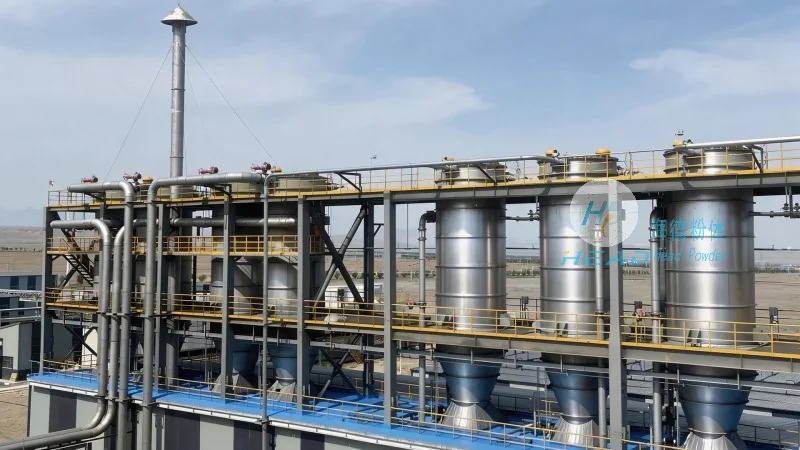
Proper installation and regular maintenance are critical to the long-term performance of a dry sludge material conveying line. During installation, the system must be aligned correctly to ensure smooth material flow and prevent wear on components. The conveyor belt or screw must be properly tensioned to avoid slippage or excessive wear. The hopper and discharge point should be positioned to minimize material spillage and ensure safe handling. Regular maintenance involves checking the drive system for wear, lubricating moving parts, and inspecting the conveyor for any signs of damage or blockage. The control panel should be checked for proper functionality, including sensors and alarms. By adhering to a regular maintenance schedule, the system can operate at peak efficiency, reducing the risk of breakdowns and extending its service life. Shandong HeadPowder Engineering Co., Ltd., based in China, provides comprehensive support for installation and maintenance, ensuring that clients receive the necessary guidance to keep their conveying lines in optimal condition.




