HeadPowder, a leading enterprise in the field of material handling solutions, specializes in the design, manufacturing, and installation of advanced conveying systems for the semiconductor industry. With a focus on precision and efficiency, our company provides high-quality monocrystalline silicon material conveying lines that are tailored to meet the stringent requirements of modern silicon wafer production. Based in Shandong, China, HeadPowder Engineering Co., Ltd. leverages decades of industry experience to deliver reliable and durable equipment that enhances productivity and ensures consistent material handling performance.
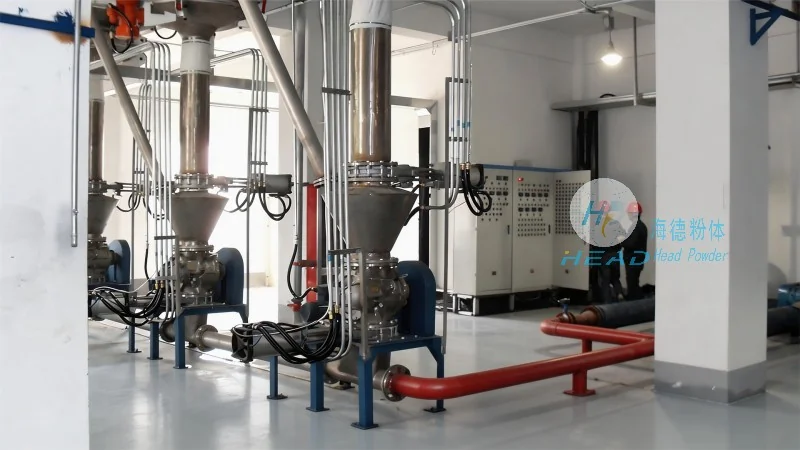
Company Overview and Location
HeadPowder Engineering Co., Ltd. is a reputable manufacturer and supplier of material handling equipment, with its headquarters located in Shandong, China. The company has established itself as a trusted partner for businesses in the semiconductor and solar energy sectors, offering customized conveying solutions that optimize workflow and reduce operational costs. Our team of experts is dedicated to understanding the unique challenges faced by our clients and developing innovative solutions that address their specific needs.
Understanding Monocrystalline Silicon Material Conveying Lines
Monocrystalline silicon material conveying lines are critical components in the production of solar panels and semiconductor devices. These systems are designed to transport silicon ingots, wafers, and other related materials with precision and minimal damage. The process involves several key stages, each contributing to the overall efficiency and quality of the material handling operation. From raw material input to finished product output, the conveying line ensures that materials are moved safely and efficiently through various processing stages.
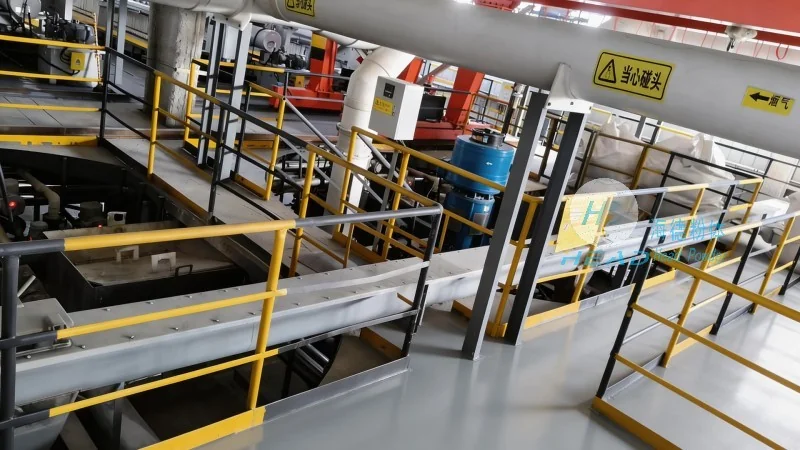
Key Components and Their Functions
The monocrystalline silicon material conveying line typically consists of several essential components, each playing a vital role in the overall system. These components include feeders, conveyors, positioning mechanisms, and control systems. Feeders are responsible for accurately delivering silicon ingots or wafers into the conveying line, ensuring consistent material flow. Conveyors, such as belt or roller systems, transport the materials along the designated path, maintaining proper alignment and speed. Positioning mechanisms, like robotic arms or mechanical grippers, handle the materials at specific points, enabling precise placement for subsequent processing steps. Control systems, integrated with sensors and automation technology, monitor the entire process, ensuring that all components operate in sync and respond to any changes in material flow or system conditions.
The Operation Process: Step-by-Step
The operation of a monocrystalline silicon material conveying line begins with the loading of raw materials, such as silicon ingots, into the system. The feeders then pick up the ingots and feed them into the conveyor belt or roller system. As the materials move along the line, they may undergo pre-processing steps, such as cleaning or surface treatment, to ensure they meet the required specifications. The positioning mechanisms then take over, carefully placing the materials at the appropriate stations for further processing, such as cutting, grinding, or polishing. Throughout the process, the control system continuously monitors the position, speed, and condition of the materials, adjusting the operation as needed to maintain optimal performance. The final stage involves the unloading of processed materials, such as silicon wafers, from the conveying line and transferring them to the next production stage or storage area.
Working Principle: How It Works
The working principle of a monocrystalline silicon material conveying line is based on the integration of mechanical, electrical, and control technologies. The system operates by using a combination of gravity, motor-driven conveyors, and automated positioning devices to move materials through the production line. The feeders ensure that materials are introduced at a controlled rate, preventing overloading or bottlenecks. The conveyors maintain a steady flow, using sensors to detect the presence and position of materials, and adjusting their speed accordingly. The positioning mechanisms use precision control to handle materials with minimal contact, reducing the risk of damage and ensuring accurate placement. The control system acts as the brain of the operation, coordinating all components and providing real-time feedback to optimize the entire process. This integrated approach ensures that the conveying line operates efficiently, reliably, and with high precision, meeting the demanding requirements of modern silicon wafer production.
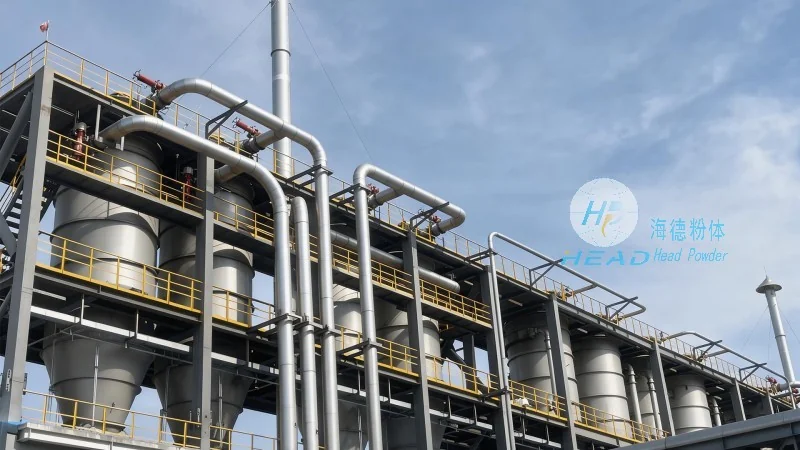
Benefits and Advantages of Monocrystalline Silicon Material Conveying Lines
Implementing a monocrystalline silicon material conveying line offers numerous benefits for businesses in the semiconductor and solar energy industries. These systems enhance productivity by streamlining the material handling process, reducing downtime and increasing throughput. The use of automated and precision components minimizes human error, ensuring consistent quality and reducing the risk of material damage. The integrated control systems provide real-time monitoring and diagnostics, allowing for quick identification and resolution of issues, which helps maintain operational efficiency. Additionally, the modular design of these conveying lines allows for easy customization and expansion, enabling businesses to adapt to changing production needs and scale their operations as required. By investing in a high-quality monocrystalline silicon material conveying line from HeadPowder, companies can achieve significant improvements in productivity, quality, and overall operational performance.
Conclusion
Monocrystalline silicon material conveying lines are essential for the efficient and reliable production of silicon wafers and other semiconductor components. HeadPowder Engineering Co., Ltd., with its expertise and commitment to quality, provides advanced conveying solutions that meet the stringent requirements of modern manufacturing. By understanding the operation process and working principle of these systems, businesses can leverage the benefits of automated material handling, enhancing their competitiveness in the global market. With a focus on precision, efficiency, and durability, HeadPowder continues to be a leading provider of material handling solutions for the semiconductor industry, helping companies achieve their production goals and stay ahead in a rapidly evolving market.




