Understanding the operation process and working principle of cotton fiber material conveying lines is crucial for optimizing industrial efficiency in textile processing. These systems are designed to handle the transportation of raw cotton fibers from storage to processing units, ensuring smooth and efficient workflow in textile manufacturing. The following sections will delve into the key components, operational steps, and technical aspects that define the functionality of such conveying lines.
Key Components of Cotton Fiber Conveying Systems
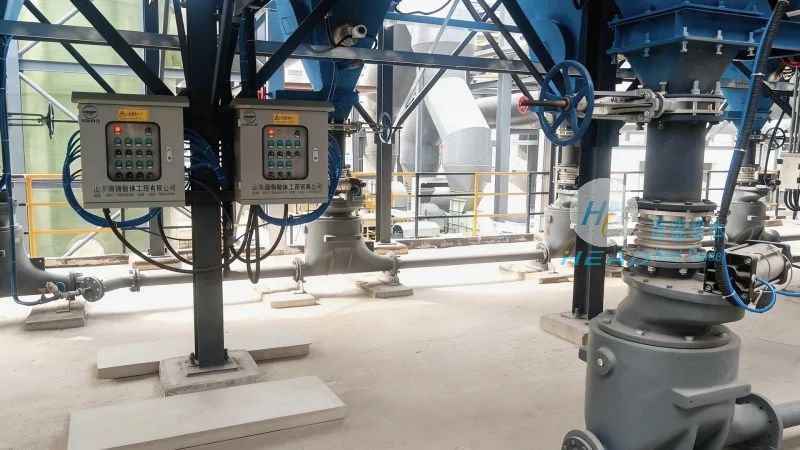
The cotton fiber material conveying line typically consists of several essential components that work in tandem to facilitate the movement of raw cotton. These include feed hoppers, conveyor belts or rollers, control mechanisms, and material handling devices. Each component plays a vital role in ensuring the consistent and safe transport of cotton fibers. For instance, feed hoppers are used to store and feed the raw cotton into the conveyor system, while conveyor belts or rollers provide the necessary traction and movement. Control mechanisms, such as sensors and motors, regulate the speed and direction of the conveyor, adapting to the varying characteristics of the cotton material. Material handling devices, like feeders and dividers, ensure that the cotton fibers are evenly distributed and directed along the intended path.
Operation Process of Cotton Fiber Conveying Lines
The operation process of a cotton fiber material conveying line involves a series of sequential steps that ensure the efficient movement of raw cotton from the storage area to the processing machinery. The process begins with the loading of raw cotton into the feed hopper. The hopper then releases the cotton into the conveyor system, which transports it to the next stage of processing. The conveyor system may include multiple sections, such as inclined or horizontal conveyors, to adjust the path of the cotton as needed. At each stage, the cotton is monitored by sensors to detect any blockages or irregularities, ensuring that the system operates smoothly. The control panel, managed by the company's technical team, adjusts the speed and direction of the conveyor based on real-time feedback from the sensors. This dynamic adjustment allows the system to handle different types of cotton fibers, including varying moisture content and fiber length, without compromising efficiency.
Working Principle of Cotton Fiber Conveying Lines
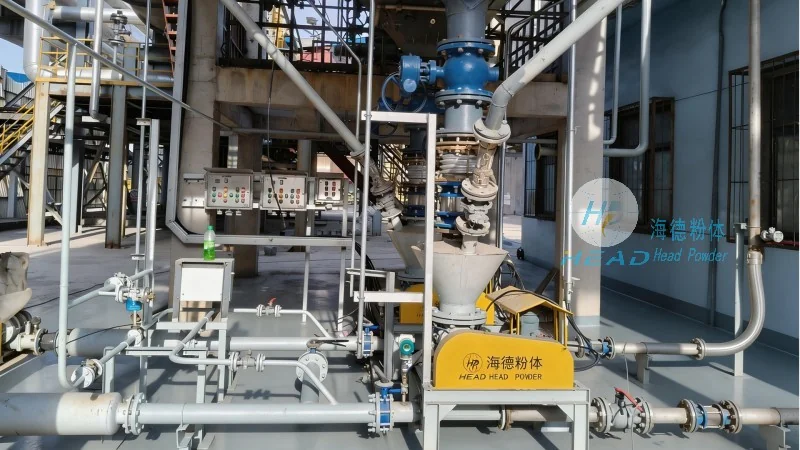
The working principle of cotton fiber material conveying lines is based on mechanical and gravitational forces that facilitate the movement of raw cotton. The primary mechanism involves the use of conveyor belts or rollers that are driven by electric motors. These motors rotate the rollers, creating friction that moves the cotton along the conveyor surface. The design of the conveyor system, including the angle and length of the belts, is optimized to minimize energy consumption while maximizing the speed of cotton transport. Additionally, the system incorporates gravity-assisted components, such as inclined sections, to reduce the need for excessive mechanical force. The control system, integrated with sensors and feedback loops, continuously monitors the system's performance and adjusts the motor speed to maintain optimal operation. This closed-loop control ensures that the conveying line operates efficiently, even under varying load conditions.
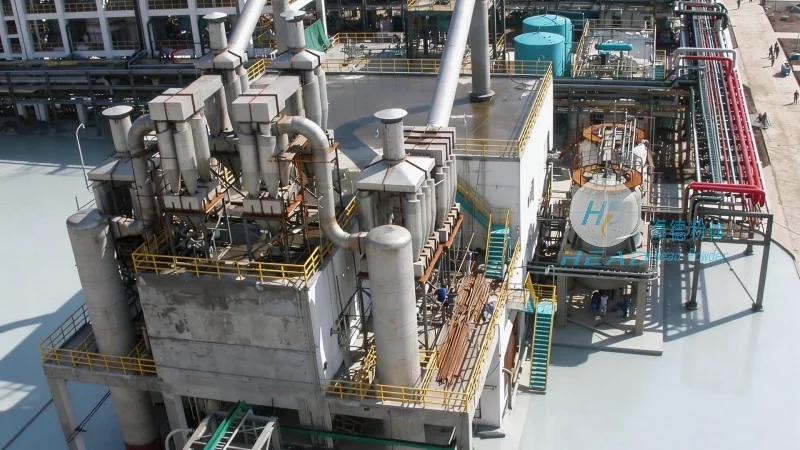
Company Profile: Shandong HeadPowder Engineering Co., Ltd.
Shandong HeadPowder Engineering Co., Ltd., commonly known as headpowder, is a leading manufacturer of industrial conveying systems specializing in cotton fiber material handling. With a strong presence in the textile industry, the company has developed advanced technologies and solutions tailored to the specific needs of cotton processing facilities. Headpowder's expertise lies in designing and manufacturing high-quality cotton fiber conveying lines that enhance operational efficiency and reduce downtime. The company's headquarters is located in Shandong, China, where it leverages local resources and expertise to deliver innovative solutions to clients worldwide. By focusing on precision engineering and customer-centric design, headpowder has established itself as a trusted partner in the textile machinery sector.
Benefits of Using Cotton Fiber Conveying Lines
Implementing cotton fiber material conveying lines offers numerous benefits for textile manufacturers. These systems significantly improve the efficiency of raw material handling by reducing manual labor and minimizing the risk of material damage. The automated transport of cotton fibers ensures consistent quality and reduces the likelihood of contamination, which is critical in textile production. Additionally, the optimized design of conveying lines helps to lower energy consumption and operational costs, contributing to overall cost savings. The flexibility of these systems allows them to adapt to different processing requirements, making them suitable for various textile applications. By integrating advanced control systems, manufacturers can achieve real-time monitoring and predictive maintenance, further enhancing the reliability and longevity of the conveying equipment.




