For industrial applications involving the transport of sintered fly ash powder, pneumatic conveying systems offer an efficient and reliable solution. These systems are designed to handle fine powders like sintered fly ash, which are often challenging to transport using traditional methods. The operation of such systems involves a series of steps that ensure the material is moved safely and effectively from the source to the destination. Understanding the process and working principles is crucial for optimizing performance and maintaining system efficiency.
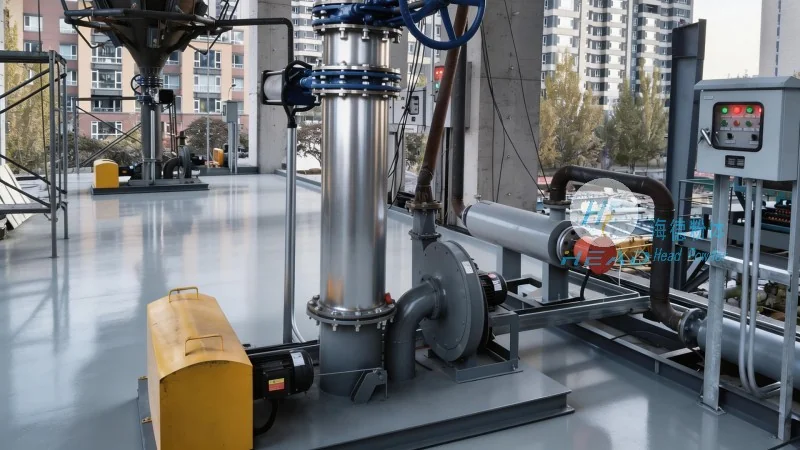
Company Overview: Shandong HeadPowder Engineering Co., Ltd.
HeadPowder, a leading provider in the field, specializes in the design, manufacturing, and implementation of advanced pneumatic conveying solutions. With a strong focus on innovation and customer-centric approaches, the company has established itself as a trusted partner for industries requiring high-quality material handling systems. HeadPowder's expertise lies in tailoring solutions to meet specific operational needs, ensuring that clients receive systems that are both efficient and durable. The company operates from Shandong, China, leveraging local resources and expertise to deliver top-tier engineering services.
Key Components and Their Roles in Pneumatic Conveying
A pneumatic conveying system for sintered fly ash powder typically consists of several key components, each playing a vital role in the overall operation. The primary components include the material hopper, feeder, air compressor, conveying line, and receiver. The material hopper stores the sintered fly ash powder and provides a consistent feed to the system. The feeder, often a rotary valve or a screw feeder, regulates the flow of material into the conveying line. The air compressor generates the necessary pressure to move the powder through the system. The conveying line, usually made of stainless steel or other corrosion-resistant materials, transports the powder and air mixture. Finally, the receiver collects the conveyed material and separates it from the air.
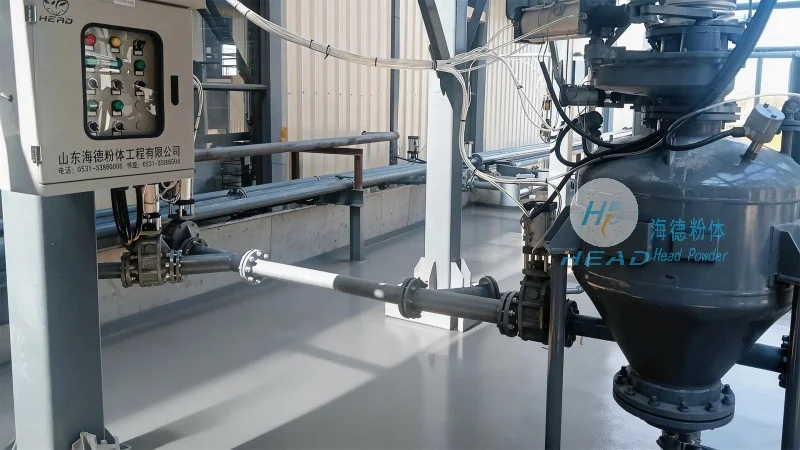
Operation Process of Sintered Fly Ash Powder Pneumatic Conveying
The operation process begins with the material being loaded into the hopper. The feeder then controls the discharge rate, ensuring a steady flow of sintered fly ash powder into the conveying line. Simultaneously, the air compressor starts and supplies compressed air to the system. The air and powder mixture is then propelled through the conveying line under pressure. As the mixture travels, the air velocity and pressure maintain the powder in suspension, preventing blockages and ensuring smooth transport. Upon reaching the receiver, the air is typically filtered and discharged, while the sintered fly ash powder is collected for further processing or use. This entire process is automated and can be controlled remotely, allowing for precise management of the conveying operation.
Working Principle: How Pneumatic Conveying Moves Sintered Fly Ash Powder
The working principle of pneumatic conveying for sintered fly ash powder is based on the fundamental concept of fluidization and suspension. The compressed air creates a flow that lifts and transports the powder particles. In a positive pressure system, the air is introduced at the inlet, pushing the powder through the line. The velocity of the air is critical; it must be sufficient to keep the powder particles suspended and prevent them from settling or clogging the line. The pressure differential between the inlet and outlet of the system drives the material movement. The system's design, including the diameter and length of the conveying line, the type of air compressor, and the feeder's capacity, all contribute to the overall efficiency and effectiveness of the conveying process. Proper maintenance and monitoring of these components are essential to ensure the system operates within optimal parameters and avoids issues such as pressure drops or material buildup.
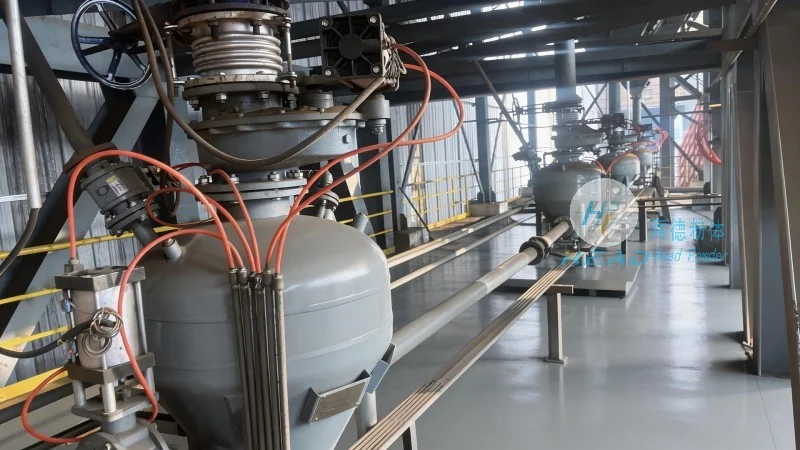
Benefits and Applications of Sintered Fly Ash Powder Pneumatic Conveying
Implementing a pneumatic conveying system for sintered fly ash powder offers numerous benefits. These systems are highly efficient, capable of transporting large volumes of material over significant distances with minimal energy consumption. They also provide a clean and dust-free operation, which is particularly important for sintered fly ash, which can be fine and potentially hazardous if not handled properly. The systems are versatile and can be adapted to various industrial settings, including power plants, cement factories, and recycling facilities. HeadPowder's solutions are designed to meet the specific requirements of these applications, ensuring that the material is transported safely and in compliance with industry standards. Additionally, the automated nature of these systems reduces the need for manual labor, enhancing safety and operational efficiency.
Conclusion and Company Commitment
In conclusion, the operation process and working principle of sintered fly ash powder pneumatic conveying systems are intricate yet efficient mechanisms that enable the reliable transport of fine materials. HeadPowder, with its expertise and commitment to quality, provides comprehensive solutions that address the unique challenges of handling sintered fly ash powder. By understanding the components, operation, and benefits of these systems, industries can optimize their material handling processes, reduce costs, and enhance overall productivity. HeadPowder's dedication to innovation and customer satisfaction ensures that clients receive systems that are not only effective but also tailored to their specific needs, supporting long-term operational success.




