HeadPowder, a prominent manufacturer headquartered in Shandong, China, specializes in the development and implementation of advanced pneumatic conveying systems for sulfate nickel powder. This article offers a comprehensive exploration of the operational process and underlying working principles of such systems, emphasizing the critical components, flow dynamics, and practical applications that define effective powder handling in industrial settings.
Working Principle of Pneumatic Conveying Systems
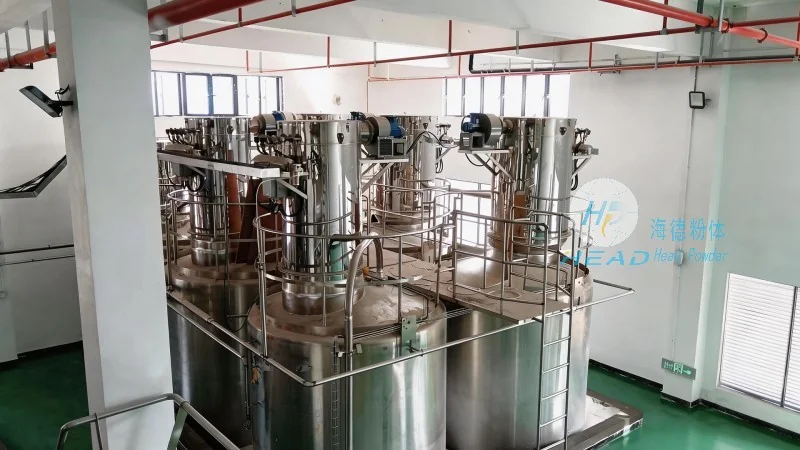
The fundamental principle of pneumatic conveying for sulfate nickel powder involves transporting the material using air or gas as the conveying medium. The system typically comprises several key elements: a feeding device to introduce the powder into the pipeline, a conveying pipeline where the powder is entrained by the air flow, a control system to regulate pressure or vacuum, and a collection unit to receive the conveyed powder. The process begins with the powder being fed from a hopper or feeder, which may use mechanisms like rotary valves or screw feeders to maintain a consistent flow rate. The conveying medium—usually compressed air—is then introduced into the pipeline, creating a high-velocity flow that entrains the powder particles. The air-powder mixture travels through the pipeline under either positive pressure (blower-driven) or negative pressure (vacuum-driven), depending on the system design. The efficiency of the conveying process hinges on maintaining the optimal air-to-powder ratio and velocity to prevent issues such as particle segregation, agglomeration, or pipeline blockages.
Operational Process: Step-by-Step Overview
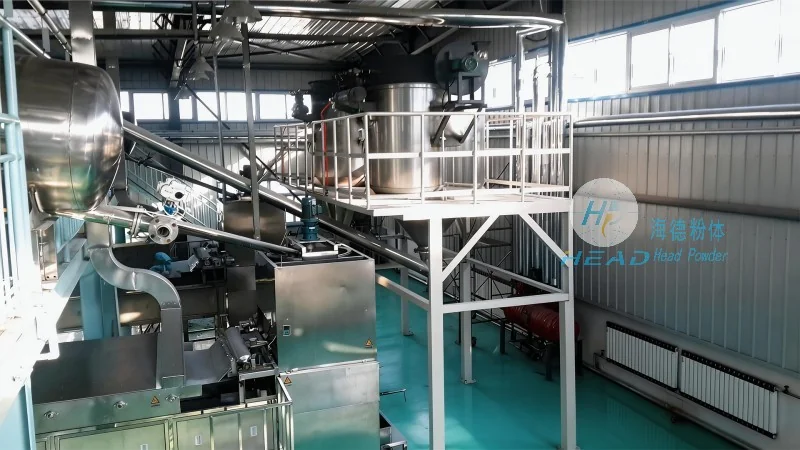
The operational process of a sulfate nickel powder pneumatic conveying system unfolds in a series of coordinated steps. Initially, the powder is loaded into a storage hopper, which acts as the primary source of material. The hopper is equipped with a feeder that regulates the flow of powder into the conveying pipeline. The feeder may employ a rotary valve or screw mechanism to ensure a steady feed rate, preventing overloading or underfeeding that could disrupt the system. Next, the conveying medium—compressed air—is supplied by a blower or compressor, which generates the necessary pressure or vacuum to move the powder. The air flow is controlled by a regulator to maintain consistent velocity, ensuring the powder is effectively entrained. As the powder travels through the pipeline, it is carried to a receiving hopper or storage tank. The system may include intermediate cyclones or filters to separate any fine particles or moisture from the air stream, maintaining the powder's quality and preventing contamination. Finally, the collected powder is discharged from the receiving unit, completing the conveying cycle. This process is typically automated, with sensors and control systems monitoring parameters like pressure, flow rate, and temperature to ensure smooth operation.
Key Components and Their Roles
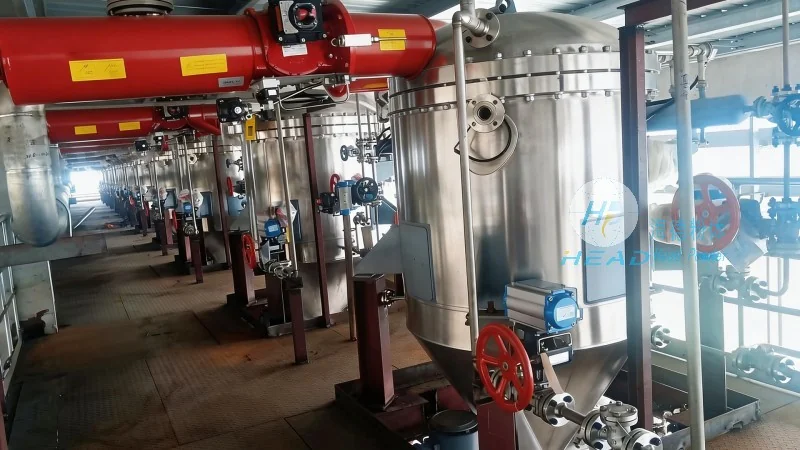
Several critical components contribute to the effective operation of a sulfate nickel powder pneumatic conveying system. The feeding device, such as a rotary valve or screw feeder, is responsible for introducing the powder into the pipeline at a controlled rate. The blower or compressor provides the necessary air pressure or vacuum to convey the powder. The conveying pipeline, usually made of stainless steel or other corrosion-resistant materials, ensures the powder is transported without degradation. Cyclones or filters are used to separate the powder from the air, preventing dust emissions and maintaining the powder's purity. The control system, which may include sensors and automation software, monitors and adjusts parameters to optimize performance. Each component plays a vital role in ensuring the system operates efficiently and reliably, minimizing downtime and maximizing productivity.
Applications and Benefits
Sulfate nickel powder pneumatic conveying systems are widely used in various industrial applications, including chemical manufacturing, battery production, and material processing. The primary benefits of such systems include high efficiency, reduced labor costs, and improved safety compared to traditional methods like manual handling or mechanical conveying. The systems are also capable of handling fine powders without causing segregation or agglomeration, which is crucial for maintaining the quality of the powder. Additionally, pneumatic conveying systems can be designed to operate in closed loops, minimizing dust emissions and environmental impact. For industries dealing with sulfate nickel powder, these systems offer a reliable and cost-effective solution for material transport, enhancing overall operational efficiency.
About HeadPowder Engineering Co., Ltd.
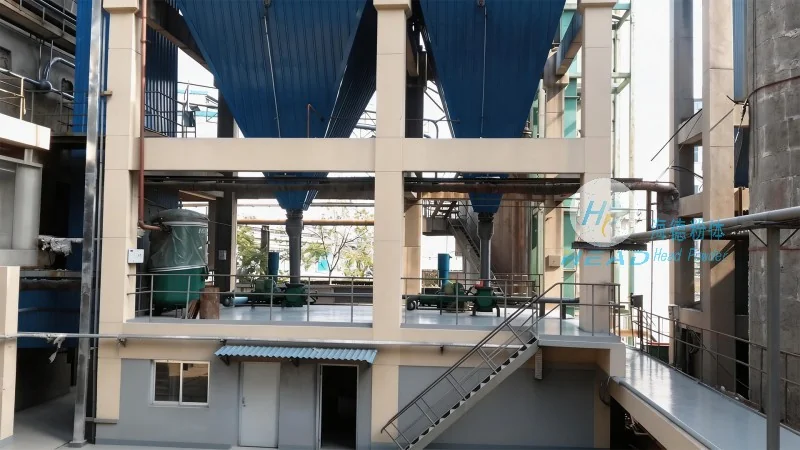
HeadPowder Engineering Co., Ltd. is a leading enterprise specializing in the design, manufacturing, and installation of pneumatic conveying systems for industrial applications. With a strong presence in Shandong, China, the company leverages local expertise and advanced technology to deliver high-quality solutions tailored to client needs. HeadPowder's team of engineers and technicians has extensive experience in handling sulfate nickel powder and other fine powders, ensuring that each system is optimized for performance and reliability. The company is committed to providing customized solutions that meet the specific requirements of its clients, from small-scale operations to large industrial facilities. HeadPowder's dedication to quality and innovation has earned it a reputation as a trusted partner in the industry, helping businesses improve their material handling processes and enhance productivity.




