Operation Process and Working Principle of Lithium Hydroxide Powder Pneumatic Conveying
Release time:2026-09-21 05:01:44
name of the company:Shandong Headpowder Engineering Co., Ltd.
telephone:156-6277-7102
contacts:Zhang manager
Lithium hydroxide (LiOH) is a vital chemical compound utilized across multiple industries, including battery production, chemical synthesis, and as a precursor for other lithium-based products. The efficient handling and transportation of LiOH powder are crucial for maintaining industrial productivity and safety. Pneumatic conveying is a widely adopted method for transporting fine powders like LiOH, offering advantages such as dust-free operation, flexible layout configurations, and reduced material degradation. This article provides an overview of the operation process and working principles of pneumatic conveying systems specifically designed for lithium hydroxide powder, highlighting key components, operational steps, and the benefits of this technology. The systems are typically engineered and manufactured by companies like Shandong HeadPowder Engineering Co., Ltd., which specializes in providing customized material handling solutions for the chemical and battery industries. The company is located in Shandong, China, and has extensive experience in designing and implementing pneumatic conveying systems for various industrial applications.
Key Components of Pneumatic Conveying Systems for LiOH Powder
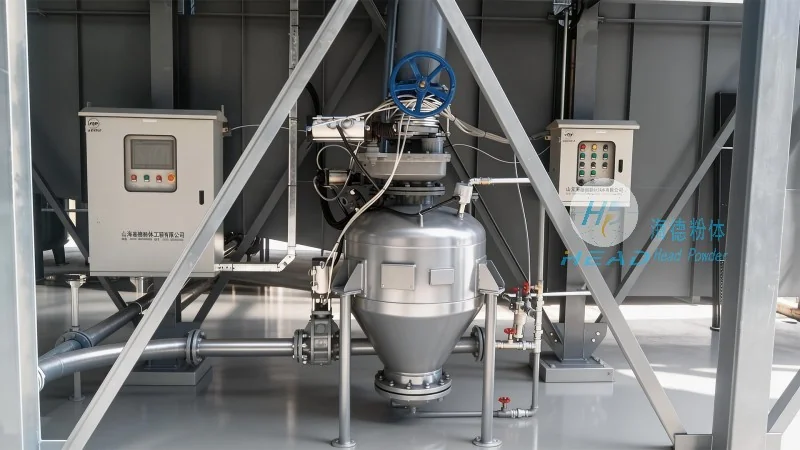
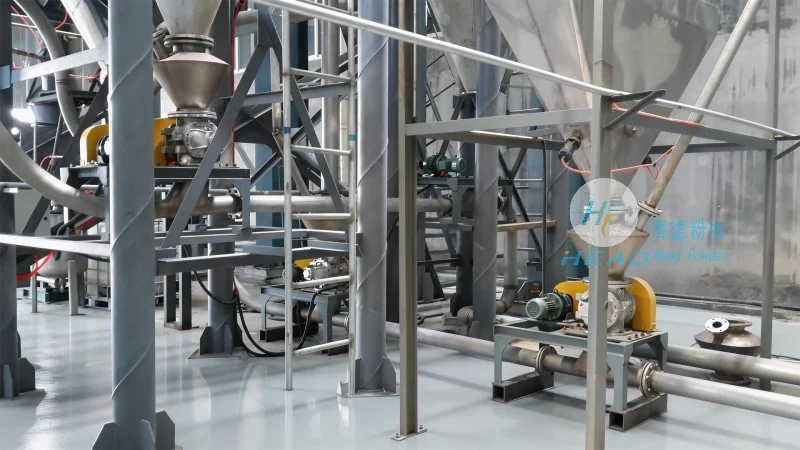
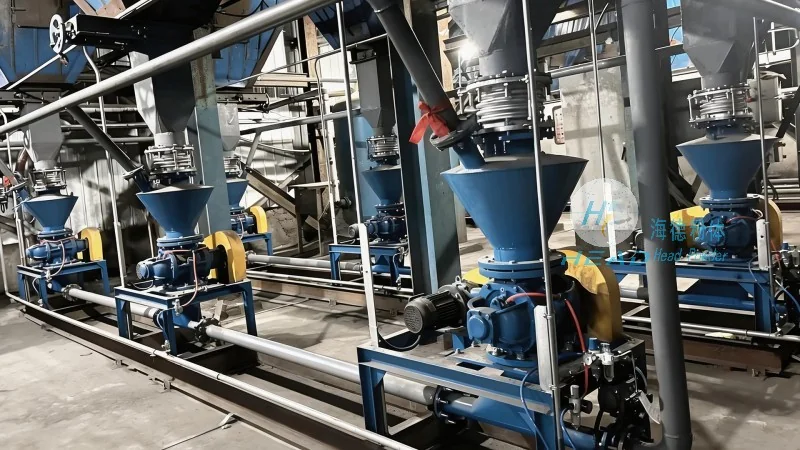
The pneumatic conveying system for lithium hydroxide powder typically consists of several core components that work in tandem to ensure effective material transport. The primary components include a material hopper or feeder, a conveyor line (either positive or negative pressure system), a dust collector, and a receiving hopper or storage tank. The material hopper is responsible for storing the LiOH powder and feeding it into the system at a controlled rate. This component is often equipped with a rotary valve or screw feeder to regulate the flow of powder, preventing blockages and ensuring consistent feed. The conveyor line is the central part of the system, where the powder is transported through a pipeline using air pressure. Positive pressure systems use a blower or compressor to push air and powder through the line, while negative pressure systems use a vacuum pump to draw the material. The choice between positive and negative pressure depends on factors such as the distance of transport, the quantity of material, and the specific requirements of the application. The dust collector is an essential safety feature, as it captures any airborne particles and prevents dust contamination in the environment. This component typically includes a filter or cyclone separator to remove the powder from the air stream. Finally, the receiving hopper or storage tank collects the conveyed LiOH powder and stores it for further processing or use. Each component plays a crucial role in the overall efficiency and reliability of the pneumatic conveying system.




