

What is a Wheat Bran Material Pneumatic Conveyor? And What Are Its Design Principles?
Wheat bran is a byproduct of wheat milling, widely used in animal feed, food processing, and other industrial applications. Efficient and reliable material handling is crucial for processing wheat bran, and pneumatic conveyors have emerged as a popular solution for transporting this material. This article explores the concept of a wheat bran material pneumatic conveyor, delving into its design principles and operational mechanisms.
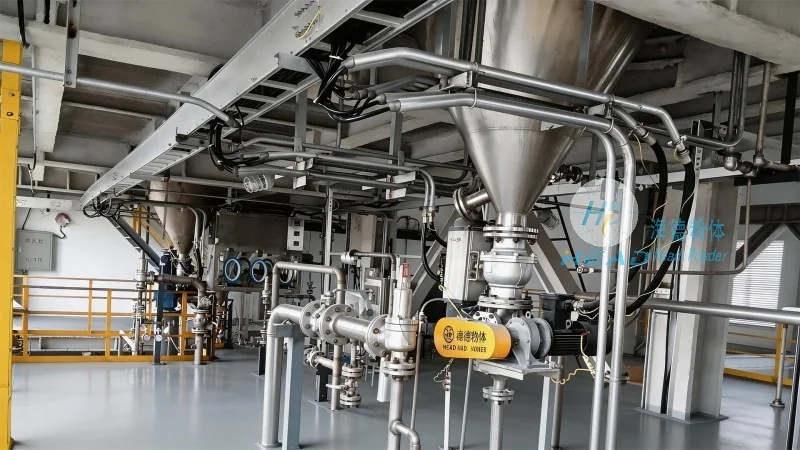
Introduction to Wheat Bran Material Pneumatic Conveyors
Wheat bran, the outer layer of the wheat kernel, is rich in fiber and nutrients, making it a valuable component in various industries. However, its fine texture and light weight pose challenges for traditional material handling methods, such as belt conveyors or bucket elevators, which may lead to material degradation, blockages, or inefficient transport. Pneumatic conveyors offer a solution by using air pressure to move wheat bran through a pipeline system, ensuring gentle handling and consistent flow. These systems are particularly suitable for transporting wheat bran from storage silos to processing units, or for transferring it between different stages of production.
HeadPowder Engineering: A Leading Provider of Pneumatic Conveying Solutions
Shandong HeadPowder Engineering Co., Ltd. is a reputable company specializing in the design, manufacturing, and installation of pneumatic conveying systems. With years of experience in the industry, HeadPowder has developed a range of solutions tailored to the unique needs of wheat bran processing. The company's expertise lies in understanding the physical properties of wheat bran, such as its moisture content, particle size, and flow characteristics, and translating these into effective conveyor designs. HeadPowder's team of engineers and technicians work closely with clients to provide customized solutions that meet specific operational requirements, ensuring optimal performance and reliability.
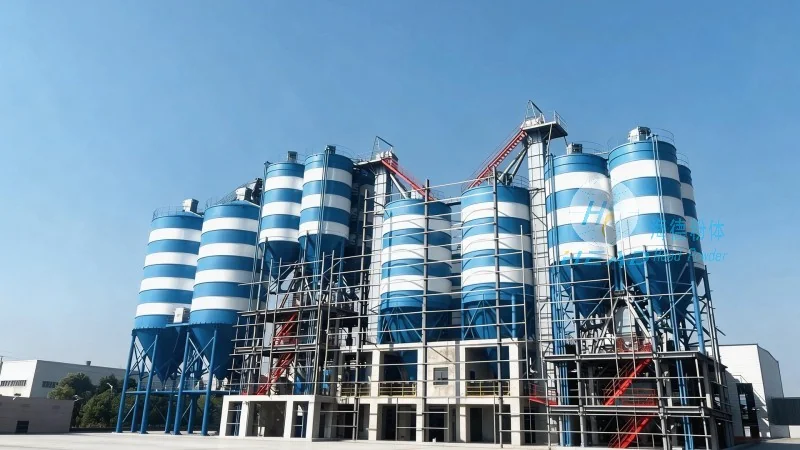
Design Principles of Wheat Bran Pneumatic Conveyors
The design of a wheat bran material pneumatic conveyor involves several key principles to ensure efficient and safe operation. First, the system must be designed to handle the specific characteristics of wheat bran, including its light weight and fine particle size. This often requires the use of low-pressure or high-pressure systems, depending on the distance and height of the transport. Low-pressure systems use air pressure ranging from 0.5 to 1 bar, suitable for short-distance transport, while high-pressure systems operate at higher pressures (up to 10 bar) for longer distances or vertical lifts. The choice of system depends on factors such as the required conveying capacity, the height to be covered, and the material's flowability.
Second, the pipeline design is critical for preventing blockages and ensuring smooth material flow. Wheat bran is prone to bridging and clogging in vertical or horizontal pipelines, especially if the air flow is insufficient or the pipeline is too narrow. To mitigate this, the conveyor system incorporates features such as pulse jets, rotary valves, or airlocks to maintain consistent air flow and prevent material accumulation. The pipeline is typically made of stainless steel or other corrosion-resistant materials to withstand the abrasive nature of wheat bran and prevent contamination.
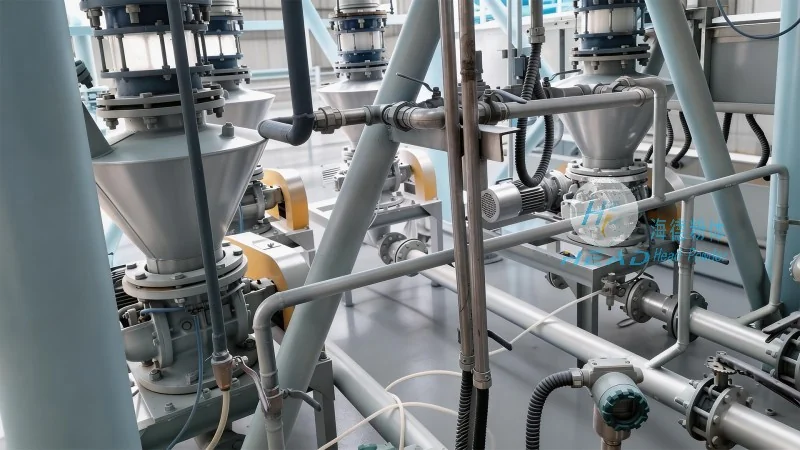
Third, the material handling components, such as the inlet hopper and discharge valve, are designed to handle the fine texture of wheat bran without causing damage. The inlet hopper is equipped with a feeder or rotary valve to control the flow of material into the pipeline, ensuring a consistent feed rate. The discharge valve, often a rotary or sliding valve, regulates the release of material from the conveyor, preventing backflow and maintaining system pressure. These components are designed to minimize friction and wear, extending the lifespan of the system and reducing maintenance costs.
Operational Mechanisms and Efficiency Considerations
The operational mechanism of a wheat bran pneumatic conveyor involves the use of a blower or fan to generate air pressure, which is then directed into the pipeline. The air flow carries the wheat bran particles through the system, with the air velocity maintained at a level sufficient to prevent material settling. The system typically includes a filter or separator at the discharge end to remove excess air and collect the wheat bran, ensuring that the material is delivered to the target location without loss. The efficiency of the conveyor is influenced by several factors, including the air pressure, flow rate, and pipeline length. Proper sizing of the blower and pipeline diameter is essential to achieve optimal conveying capacity and minimize energy consumption.