HeadPowder, a leading manufacturer based in Shandong, China, specializes in the design and production of advanced vacuum-pressure mixed powder pneumatic conveying systems. These systems are engineered to efficiently transport bulk powders over long distances with minimal product degradation. The following content provides a detailed overview of the operational process and working principles of such equipment, highlighting key components and their functions.
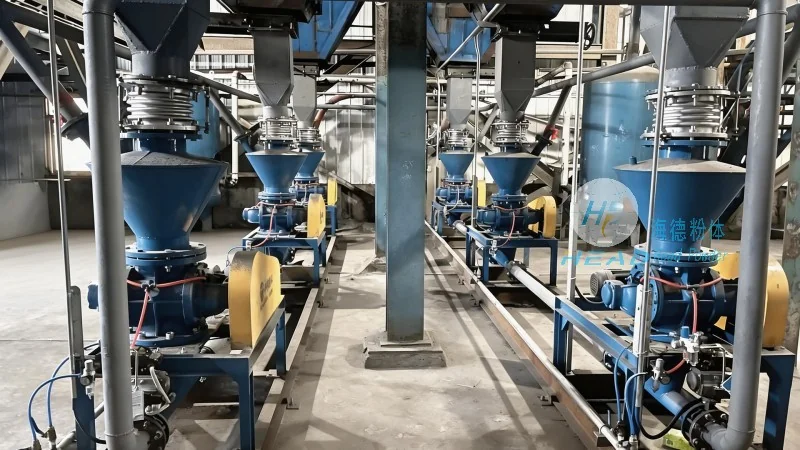
Key Components of the Vacuum-Pressure Mixed System
The vacuum-pressure mixed powder pneumatic conveying equipment typically consists of several core components that work in concert to achieve efficient material handling. The primary components include a vacuum pump, a pressure blower, a hopper for material storage, a conveying line, and a control system. Each component plays a crucial role in the overall operation of the system.
The hopper serves as the storage container for the bulk powder, ensuring a consistent feed of material to the system. It is equipped with a feeding mechanism, such as a rotary valve or a star feeder, which regulates the flow of powder into the conveying line. The control system monitors and adjusts the operation of the vacuum pump and pressure blower to maintain optimal conveying conditions.
Working Principle of the Vacuum-Pressure Mixed Conveying Process
The operation of the vacuum-pressure mixed system involves a combination of vacuum and pressure phases to move the powder through the conveying line. The process begins with the vacuum phase, where the vacuum pump creates a negative pressure within the conveying line. This negative pressure draws the powder from the hopper into the line, forming a slurry of powder and air. The powder is then transported through the line under the influence of the vacuum.
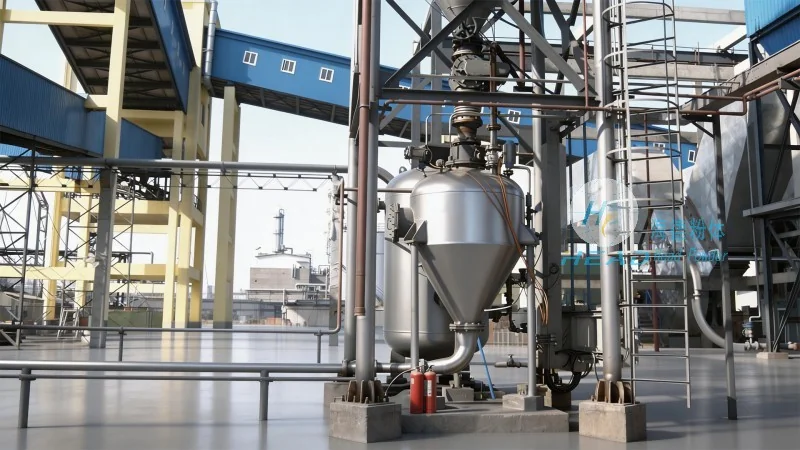
Once the powder reaches the desired location, the system transitions to the pressure phase. The pressure blower introduces positive pressure into the conveying line, pushing the powder to the discharge point. This pressure phase helps to accelerate the powder and ensure it reaches the destination without clogging or degradation. The mixed operation of vacuum and pressure allows for flexible and efficient transport, accommodating both short and long distances.
Operation Process: Step-by-Step Overview
The operational process of the vacuum-pressure mixed powder pneumatic conveying equipment can be broken down into several key steps. First, the material is loaded into the hopper. The feeding mechanism then regulates the flow of powder into the conveying line, controlled by the system's control panel. The vacuum pump is activated, creating a vacuum that draws the powder from the hopper into the line.
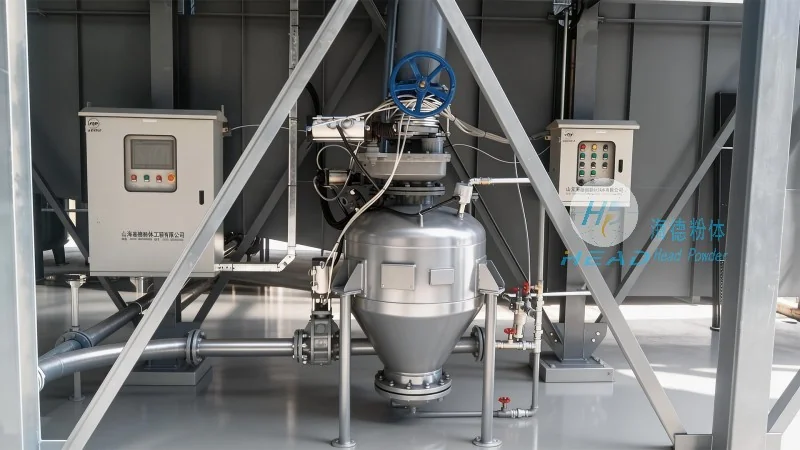
As the powder is drawn into the line, it mixes with the air, forming a pneumatic slurry. The slurry travels through the conveying line to the discharge point. At the discharge end, the pressure blower is activated, introducing positive pressure that pushes the powder out of the line and into the receiving container. The system then returns to the vacuum phase to continue the cycle, ensuring continuous and efficient material transport.
Advantages of Vacuum-Pressure Mixed Pneumatic Conveying
HeadPowder's vacuum-pressure mixed powder pneumatic conveying systems offer several advantages over traditional conveying methods. These include the ability to transport powders over long distances with minimal energy consumption, reduced product degradation due to gentle handling, and the flexibility to handle a wide range of powder types and sizes. The mixed operation of vacuum and pressure also allows for better control over the conveying process, ensuring consistent performance and reliability.
Additionally, the system is designed for easy maintenance and operation, with clear indicators for pressure and vacuum levels. The control system provides real-time monitoring, allowing operators to adjust settings as needed to optimize performance. This results in improved efficiency and reduced downtime, making the equipment ideal for industrial applications where consistent and reliable material transport is critical.




