Shandong HeadPowder Engineering Co., Ltd., commonly known as headpowder, is a professional manufacturer based in Shandong, China. The company specializes in the design, development, and production of advanced powder handling equipment, with a particular focus on positive pressure pneumatic conveying systems. These systems are widely used in various industries to efficiently transport bulk powders over long distances with minimal product degradation.
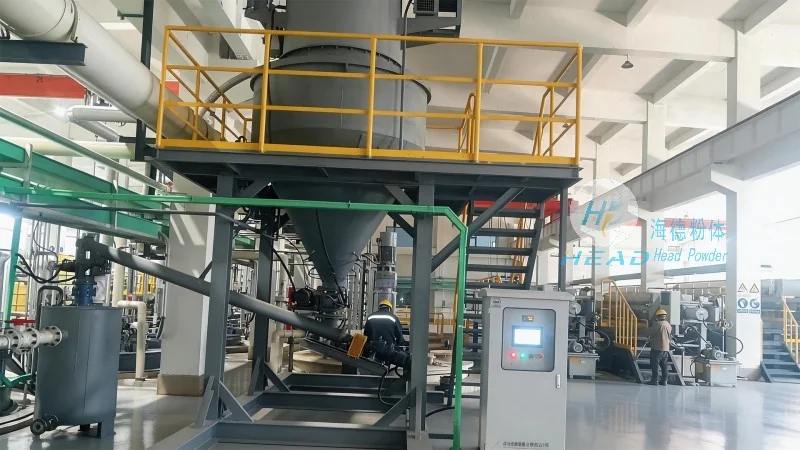
One of the core products offered by headpowder is the positive pressure powder pneumatic conveying machine. This equipment operates by utilizing compressed air or other gas to create a positive pressure environment within the conveying pipeline. The machine is engineered to handle a wide range of powders, including fine powders, granules, and bulk materials, making it suitable for applications in pharmaceuticals, food processing, chemical manufacturing, and other sectors where product integrity and contamination control are critical.
Overview of the Positive Pressure Pneumatic Conveying System
The positive pressure pneumatic conveying system consists of several key components that work in tandem to ensure efficient and reliable powder transport. These components include a positive pressure blower or compressor, a hopper for material storage, a feed system (such as a rotary valve or star feeder), a conveying pipeline, and a discharge unit. The system is designed to maintain a consistent pressure within the pipeline, typically higher than the ambient atmospheric pressure, which prevents air leakage and ensures that the powder remains suspended and transported smoothly.
Operation Process of the Positive Pressure Powder Pneumatic Conveying Machine
The operation of the positive pressure powder pneumatic conveying machine involves a series of controlled steps to ensure safe and efficient material handling. The process typically begins with the loading of the powder into the hopper. Once the hopper is filled, the feed system (e.g., a rotary valve) starts to meter the powder into the conveying pipeline at a controlled rate. Simultaneously, the positive pressure blower generates compressed air, which is introduced into the pipeline at the inlet of the hopper. The compressed air creates a positive pressure that lifts the powder particles from the hopper and propels them through the pipeline.
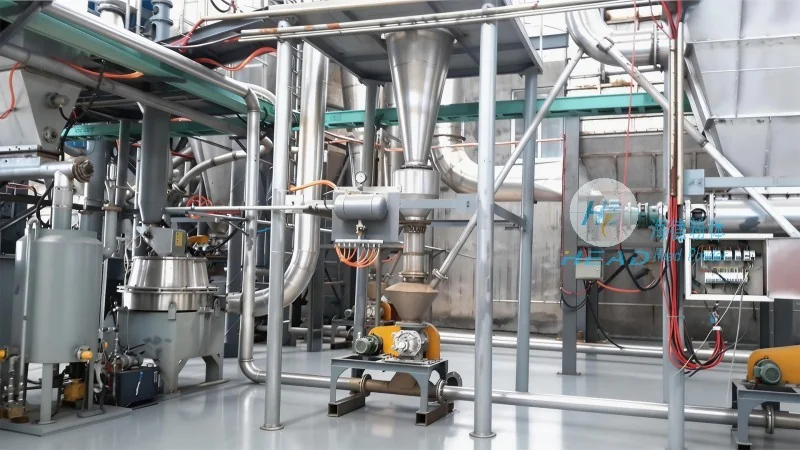
As the powder travels through the pipeline, it is suspended in the air stream and transported to the discharge point. The pipeline is equipped with appropriate bends, elbows, and fittings to accommodate changes in direction and maintain the flow of the powder-air mixture. At the discharge end, the powder is separated from the air using a cyclone separator or a filter, and the air is either recirculated or vented to the atmosphere. The entire process is monitored by control systems that regulate the air pressure, flow rate, and feed rate to optimize performance and prevent overloading or underloading of the system.
Working Principle of the Positive Pressure Pneumatic Conveying Machine
The working principle of the positive pressure powder pneumatic conveying machine is based on the fundamental concept of fluidization and suspension of powder particles in a gas stream. When compressed air is introduced into the hopper, it creates a low-pressure zone that draws the powder particles into the air stream. The air velocity within the pipeline is maintained at a level sufficient to keep the powder particles suspended, preventing them from settling or clogging the pipeline. The positive pressure maintained throughout the system ensures that the air and powder mixture remains in a stable state, allowing for continuous and unidirectional transport of the material.
Key factors that influence the performance of the positive pressure pneumatic conveying system include the particle size and density of the powder, the air pressure and flow rate, and the length and diameter of the conveying pipeline. Proper design and selection of these parameters are crucial to achieve optimal conveying efficiency, minimize energy consumption, and prevent product degradation due to excessive air velocity or pressure fluctuations.
Advantages of Positive Pressure Pneumatic Conveying
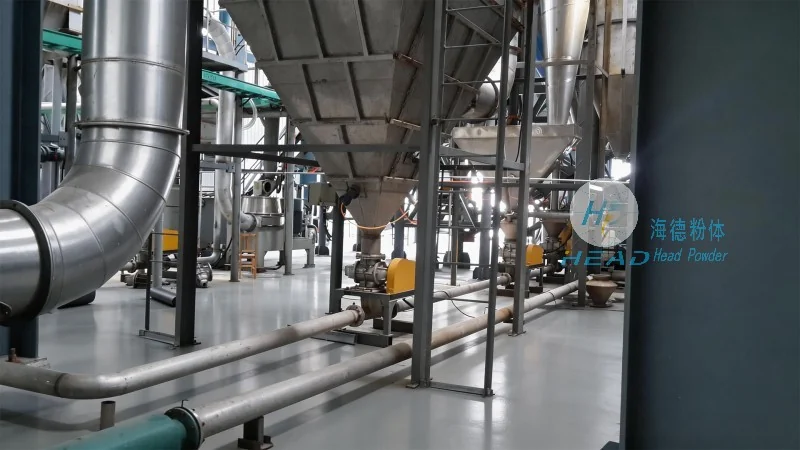
Compared to other powder handling methods, such as vacuum conveying or mechanical conveying, positive pressure pneumatic conveying offers several advantages. These include the ability to transport powders over long distances, the flexibility to handle various powder types, and the reduced risk of product contamination due to the closed system design. Additionally, the positive pressure system can handle abrasive or corrosive powders without causing wear or damage to the equipment, making it suitable for a wide range of industrial applications.
Another significant advantage is the ease of integration with other processing equipment. The positive pressure conveying system can be connected to downstream processes such as mixing, blending, or packaging, allowing for a seamless flow of materials from the source to the final product. This integration enhances overall operational efficiency and reduces the need for manual handling, which improves safety and reduces labor costs.
Applications and Industries
The positive pressure powder pneumatic conveying machine is widely used in various industries where bulk powder handling is essential. In the pharmaceutical industry, these systems are used to transport active pharmaceutical ingredients (APIs) and excipients with high precision and minimal contamination. In the food processing industry, they are employed to handle powders like flour, sugar, and spices, ensuring that the products remain fresh and free from microbial contamination. The chemical manufacturing sector utilizes positive pressure conveying for transporting chemicals, catalysts, and other powders, while the agricultural industry uses them for handling fertilizers and pesticides.
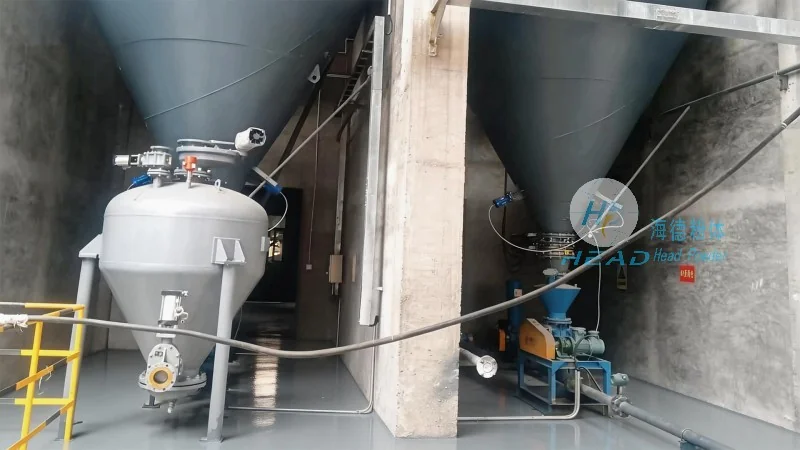
Furthermore, the system is suitable for applications that require high purity and low dust generation, such as in the production of fine chemicals and specialty materials. The ability to maintain a positive pressure environment throughout the conveying process ensures that the powder remains isolated from the external environment, preventing cross-contamination and maintaining product quality.
Maintenance and Operational Considerations
To ensure the long-term reliability and efficiency of the positive pressure powder pneumatic conveying machine, regular maintenance and proper operational practices are essential. The equipment should be inspected regularly for any signs of wear or damage to the components, such as the blower, pipeline, and feed system. Filters and cyclone separators should be cleaned or replaced as needed to prevent clogging and maintain optimal performance. Additionally, the air pressure and flow rate should be monitored and adjusted as required to adapt to changes in the powder characteristics or system load.
Proper training of operators is also crucial to ensure safe and efficient operation of the system. Operators should be familiar with the control systems and emergency procedures to handle any issues that may arise during operation. By following these maintenance and operational guidelines, the positive pressure pneumatic conveying machine can provide consistent performance and extend its service life, making it a cost-effective solution for bulk powder handling in various industries.




